Guggenheim Fellow Jonathan Michael Castillo Photographs Immigrant Owned America
Jonathan Michael Castillo, 43, a Chicago photographer without gallery representation, joins 223 Guggenheim Fellows chosen from nearly 5,000 applicants for his Immigrant Owned portraits.
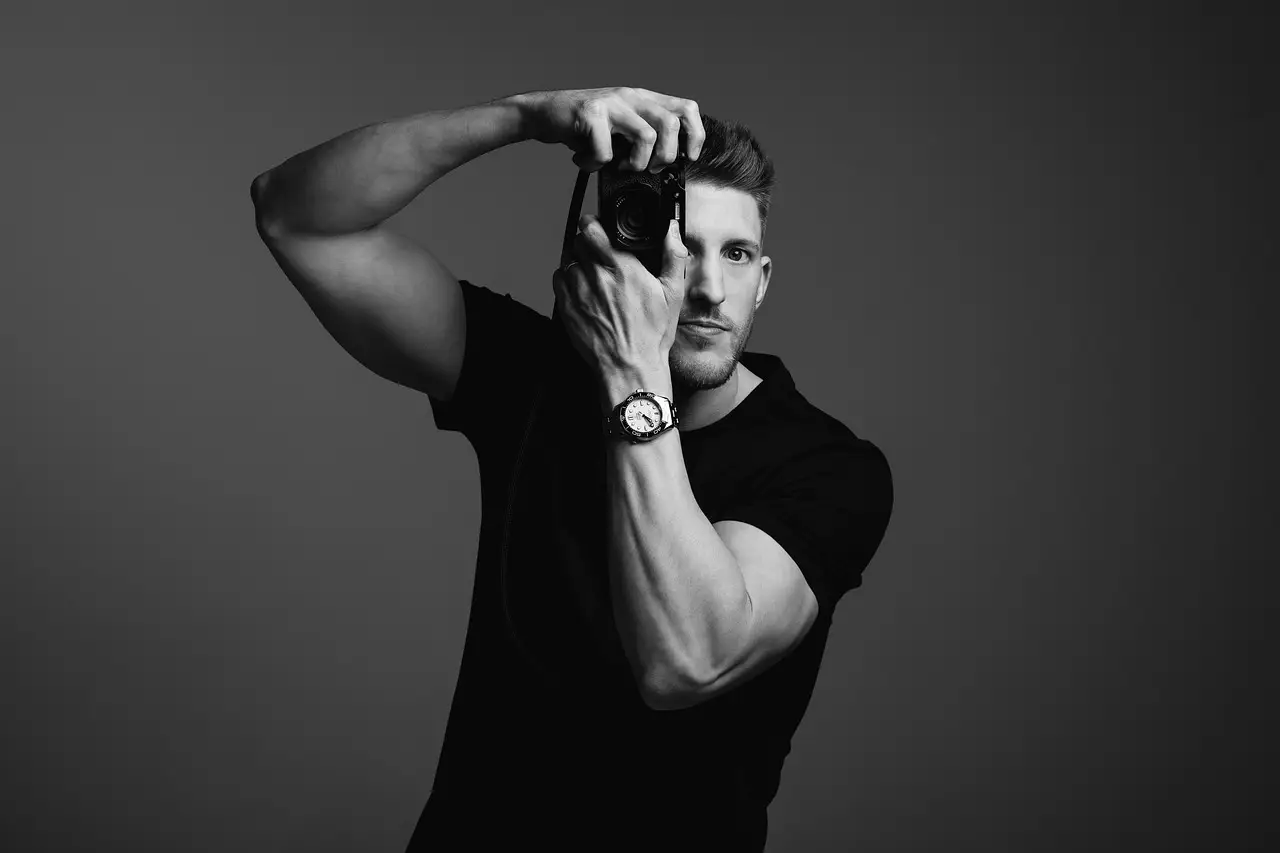
The John Simon Guggenheim Memorial Foundation has named Jonathan Michael Castillo, a 43-year-old Chicago photographer with no museum solo show and no gallery representation, to its 101st class of Guggenheim Fellows. The foundation selected 223 fellows across 55 disciplines from a pool of nearly 5,000 applicants. Castillo won in Photography, recognized for a body of work that includes Immigrant Owned, his portrait series on immigrant small-business owners.
What does the fellowship recognize?
Immigrant Owned places its subjects inside their own shops. Castillo situates immigrant owners among their displays, handiwork and orderly interiors, where they appear, in the foundation's framing, enshrined. The series covers hair salons, convenience stores, laundromats and hardware stores. Castillo writes that these places are where people carve out space for themselves, their families and new arrivals on their own terms. His work has appeared in The New Yorker, Wired, The Chicago Tribune and CBS Los Angeles, and his prints sit in the collections of the Block Museum of Art, the DePaul Art Museum and the Illinois State Museum.
Edward Hirsch, poet and president of the Guggenheim Foundation, said: "As the Foundation enters its second century and looks to the future, I feel confident that this new class of 223 individuals will do bold and inspiring work, undaunted by the challenges ahead." Each fellow, under terms set by Senator Simon Guggenheim in 1925, receives a stipend to pursue independent work under "the freest possible conditions." Castillo's award does not mark a career built on institutional security. It marks the opposite.
How does a "non-emerging" career look?
Castillo is blunt about his position. He finished his MFA at Columbia College Chicago only in 2019 and has taught as an adjunct since, typically one class, while freelancing to make ends meet. "I still considered myself as 'early career' or 'emerging' and I was honestly completely shocked when I found out I had been selected," he said. He learned of the award in early 2026 after applying in late 2025, largely, he says, to learn the process. He cried when he got the news.
His route to photography was long. He spent nearly eight years at Moorpark College in California before committing to photography around 2008. He earned two associate degrees there, a BFA from Cal State Long Beach, years of assisting in Los Angeles, a stint in South China, and then graduate school in Chicago from 2017. His pre-Guggenheim highlights include public art commissions from the city of Chicago, a permanent installation at O'Hare International Airport's Terminal 5, work installed at Midway Airport, City Hall and the Chicago Cultural Center, and the 2019-2021 Diane Dammeyer Fellowship. He is also the 2026 Joyce Foundation Artadia Awardee. His monographs include Car Culture (Skylark Editions, 2022) and Flags, Food & Faith (City of Chicago, 2025).
What changes with the stipend?
Castillo resists the simple freedom narrative. He notes that about two thirds of fellows hold full-time academic appointments before the award, with sabbaticals, salaries and healthcare attached. His situation differed sharply. When the fellowship arrived, his wife had lost her job and the family had lost its healthcare; Castillo has a chronic illness. He kept applying for full-time teaching and landed a visiting assistant professorship at Indiana University Bloomington this summer, which restored insurance and, he says, complements his fellowship plans. He cannot take a year off to photograph. But his new base in southern Indiana eases travel, and he intends to work beyond Chicago, including a long-planned return to his native Los Angeles.
What does he tell other applicants?
His method is volume. He applies to 30, 40, 50 or more opportunities a year and expects four or five to land. He advises close reading of guidelines, four strong recommenders, short professional questions to foundation staff, and, in the Photography category, physical prints. The Guggenheim permits printed portfolios, books and even optional video. "Would you rather be looking at nicely made physical prints and printed books, or would you rather be looking at JPGs and PDFs on a screen?" he asks. There is no application fee.
His takeaway for the field is plain. The fellowship has not changed the work he plans to make. It has widened his sense of what his practice can reach, and Castillo says he now aims to exhibit in Los Angeles and build new work across cities in the coming years.
Key points
- 223 fellows across 55 disciplines were chosen from nearly 5,000 applicants in the 101st Guggenheim class.
- Castillo, 43, completed his MFA in 2019 and had no museum solo show or gallery representation.
- He has held a visiting assistant professorship at Indiana University Bloomington since summer 2026.
- His monographs include Car Culture (2022) and Flags, Food & Faith (2025).
- His work is installed permanently at O'Hare Airport's Terminal 5.
Original: jonmichaelphoto.com
Grace Kim
Show full bio
Senior reporter covering companies, deals and strategy in Photography exhibitions, photographers, photo books, festivals and awards at Lens Gazette.