Frank Kunert Builds Worlds Weeks Long, Then Makes One Photograph
Frank Kunert spends weeks building miniature rooms for a single photograph. The result, gathered in the book Wunderland, finds absurdity already sitting in the living room — and lets laughter ask the questions.
Updated
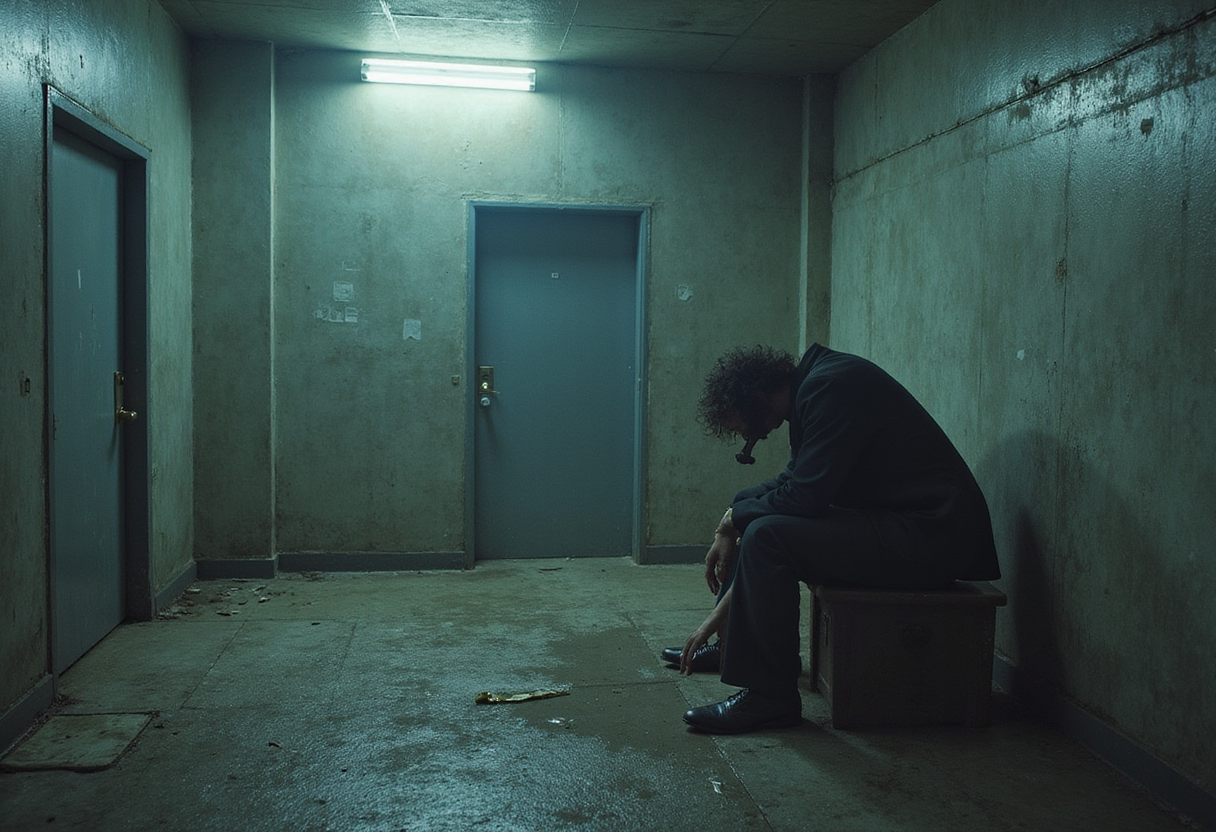
Frank Kunert spends weeks building each scene — cutting lightweight boards, assembling walls, installing windows, making furniture, layering paint — for a single photograph of a world that cannot exist, yet looks entirely lived in. That mismatch between labor and impossibility is the engine of his work, now shown in Germany and internationally and gathered in the book Wunderland, which includes an essay by Elizabeth Clarke.
Kunert, born in Frankfurt am Main in 1963, started photographing landscapes as a teenager before studio training pulled him indoors. The two practices — constructing miniatures and photographing them — fused into one field. The result sits somewhere between model-making, sculpture and deadpan photography. Think of a dollhouse designed by an architect who quietly resents his clients.
What do the pictures actually show?
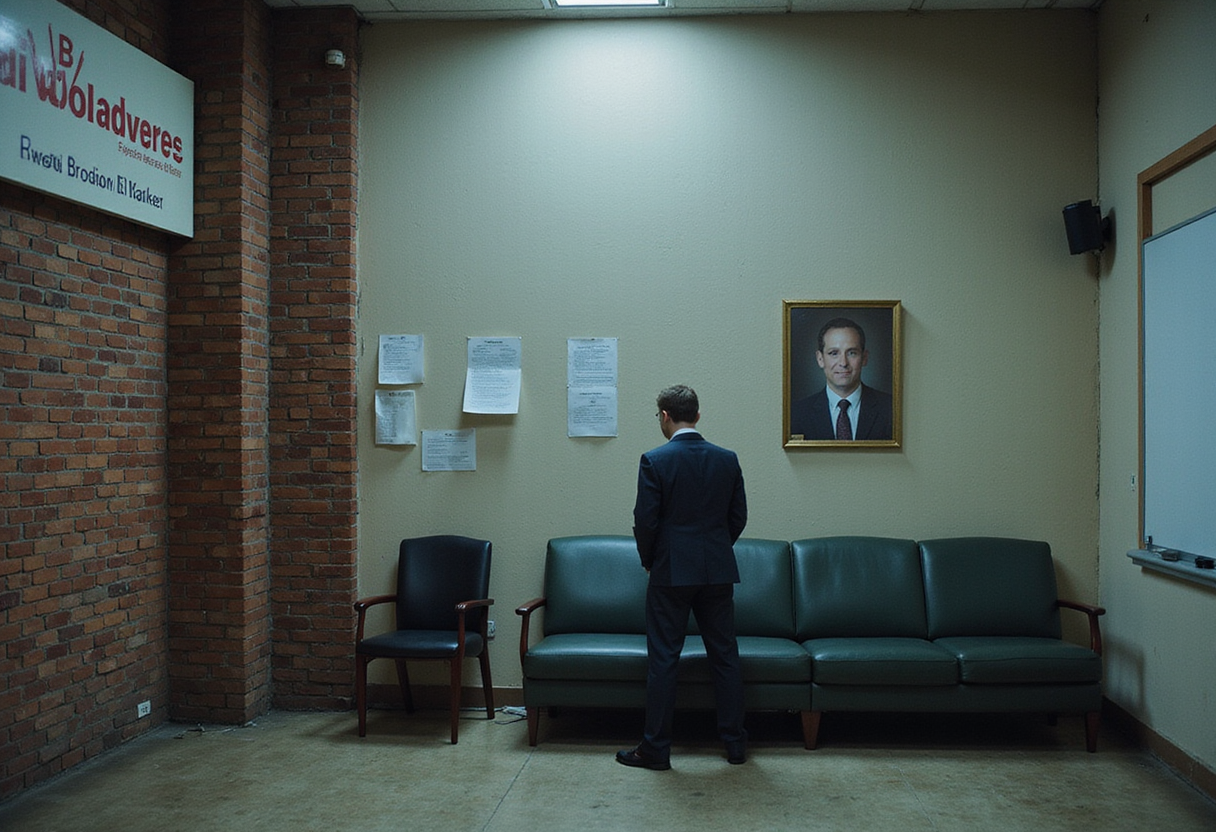
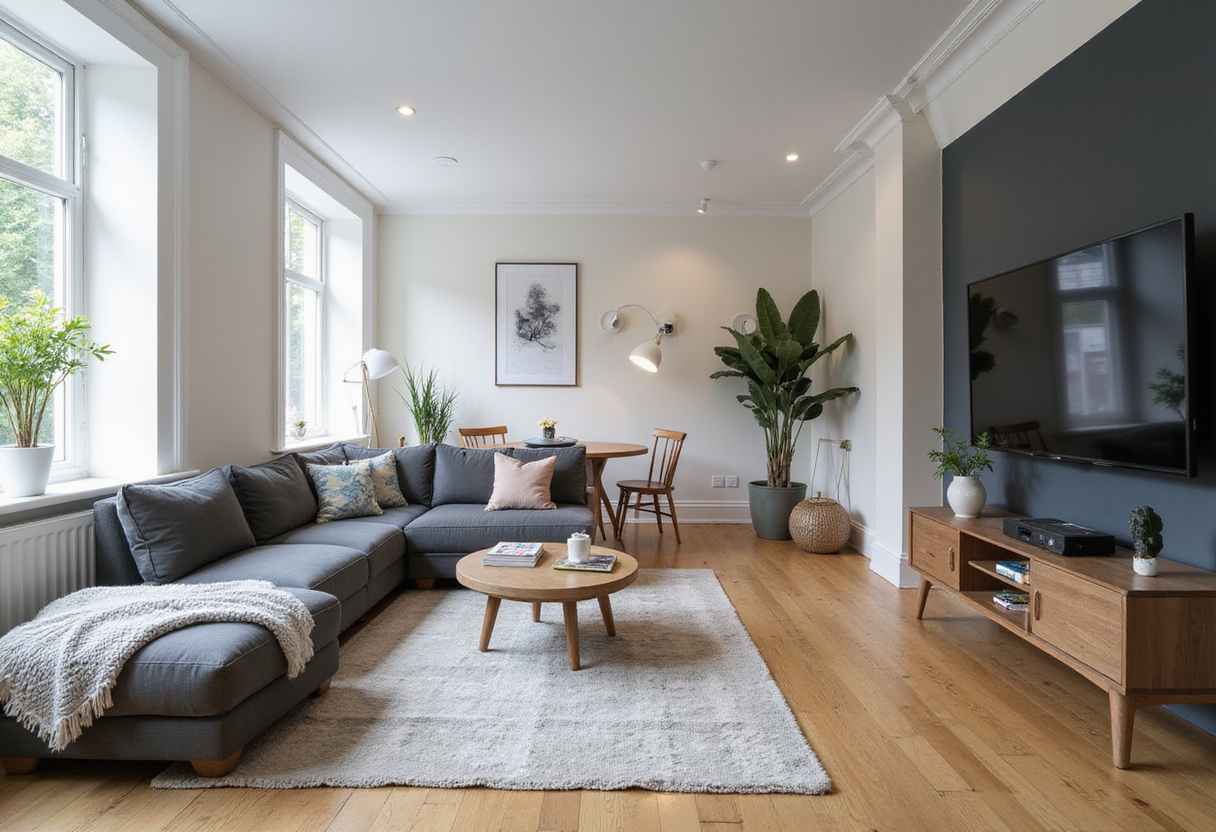
Familiar rooms. Familiar streets. Then something refuses to fit. The architecture reads as logical; the surfaces carry honest wear; the arrangement of the room suggests someone lives there. Only the logic itself is broken. The eye pauses, doubles back, and discovers the scene runs on rules that don't hold.
That gap between recognition and estrangement is where Kunert works. Humor is the door. What waits inside is less comfortable: unfulfilled desires, cohabitation strained by obstacles, attempts to organize life that misfire. The grotesque, in his handling, arrives when the familiar distorts just enough to unsettle while staying recognizable. We laugh, then recognize ourselves. The laughter leaves a question behind.
Notably, Clarke stresses that Kunert refuses the accusatory stance. He works through subtle, sometimes eccentric humor instead. The image presents a situation; the interpretation continues past the frame. That openness is a genuine strength — though a skeptic might note that refusing a position is also the safest position available, and the photographs never quite say who, if anyone, is to blame for the absurdity they document.
Why miniature scale?
The reduced size does real work. Faced with a miniature, viewers gain a perspective they almost never get on their own lives: the whole at once, its tensions visible, comedy audible in situations that would feel distressing from inside. Absurdity, Clarke argues, belongs to everyday experience; Kunert recognizes it, concentrates it, and gives it room where we can see it clearly.
Architecture, in these images, functions as portraiture. A home expresses an idea of privacy; a facade presents a face to others; a room's arrangement dictates how it can be inhabited. Kunert pushes that language until its contradictions surface — until the form built to accommodate a life starts dictating that life instead.
How much is craft, how much accident?
The technique is not a trick; it's the argument's foundation. Ordinary materials take on second careers: a bottle cap becomes a trash can, salt stands in for snow, cotton suggests clouds or steam. Studio lighting finishes a process in which every decision changes how the space reads. Texture, proportion and light persuade the eye to accept the world before it starts questioning what happens there.
Yet the process leaves room for accidents. A paint layer flakes, leaving a mark that reads as weathering on a facade. Clarke describes mistakes as openings — new paths, fresh decisions. Patience buys room to rethink an idea mid-build.
There's a tension here worth naming. The scene develops slowly, through hands on material, while the photograph compresses all that time into something that looks immediate. Kunert's images let a careful viewer recover some of the time folded inside them. Whether most viewers will look that closely is another matter; the joke is legible in seconds, and Kunert can't control how long anyone stays.
Where does the work go from here?
His exhibited work retains a deliberate doubleness: admiration for the craftsmanship on one hand, absorption in the scene's question on the other. The artifice serves expression beyond skill — mostly. Occasionally the craft risks becoming the subject, and the bewilderment plays second fiddle to the model-maker's virtuosity.
The affection in the looking is real, though. The care given to spaces, traces of use and overlooked objects grants significance to things we usually walk past. Even an uncomfortable scene keeps the everyday world's capacity to awaken curiosity. As Wunderland circulates and the exhibitions travel, Kunert's grotesque universe seems set to keep doing what it has quietly done for decades: making us pause, recognize the absurdity we've accepted as normal, and find that laughter can be a way of paying attention.
Key points
- Frank Kunert was born in Frankfurt am Main in 1963 and began photographing as a teenager, starting with landscapes.
- Each scene takes weeks of construction — board cutting, furniture making, layered paint — before a single photograph.
- His work appears in the book Wunderland, with an essay by Elizabeth Clarke.
- Ordinary materials double as props: a bottle cap becomes a trash can, salt stands in for snow, cotton suggests clouds.
- His photographs have been exhibited in Germany and internationally.
Source: Dodho Magazine
Daniel Okafor
Show full bio
News editor covering companies, deals and strategy in Photography exhibitions, photographers, photo books, festivals and awards at Lens Gazette.