War Photographer Converts 4,600-Square-Foot Manhattan Apartment Into Immersive Exhibit
A British war photographer is turning a 4,600-square-foot New York apartment into an immersive exhibition, pitting domestic space against images of conflict.
Updated
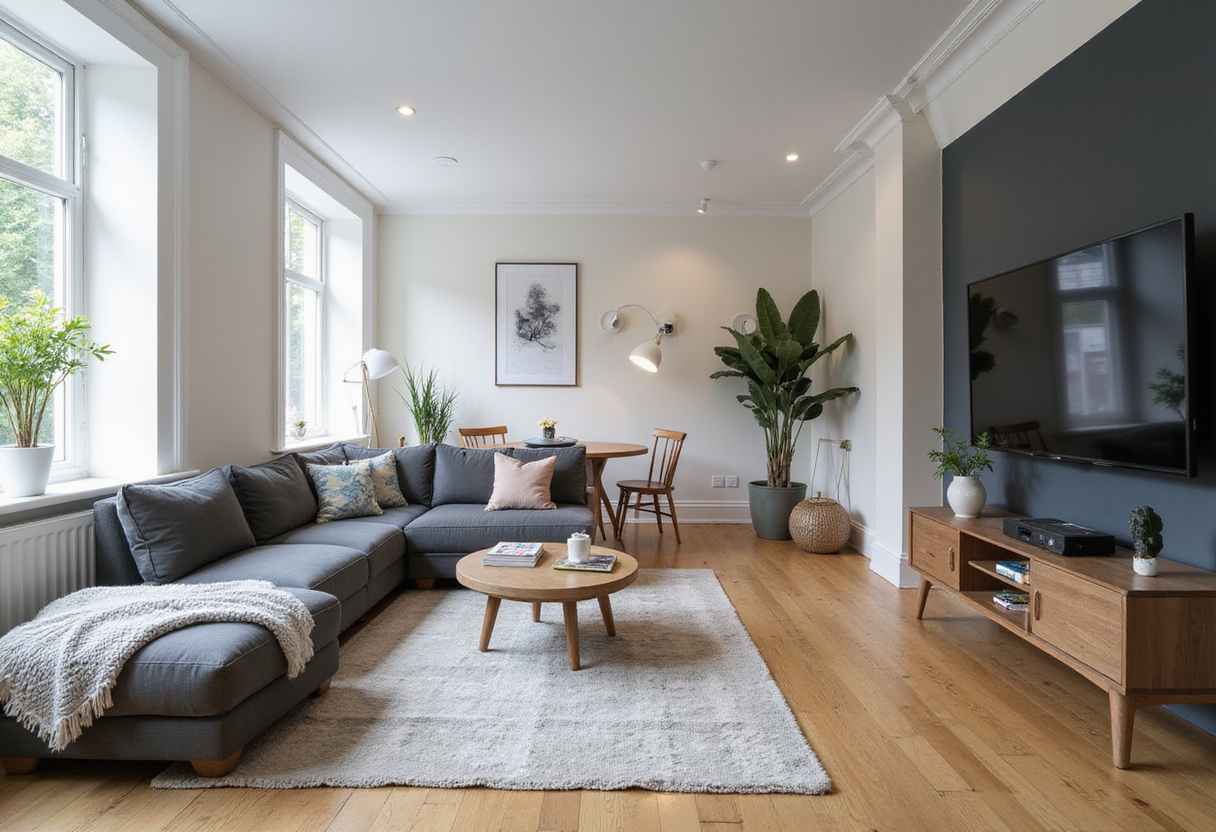
A British war photographer is converting a 4,600-square-foot New York City apartment into a new immersive exhibition space, trading the white cube for a domestic interior as the setting for images made in the world's most dangerous places.
The project's scale alone marks it as unusual. A 4,600-square-foot apartment is generous even by Manhattan standards, and committing the entirety of that footprint to photographic installation signals ambition beyond a conventional wall-hung show. In an immersive format, the work does not hang politely at eye level; it envelops, surrounds and dictates the visitor's movement through rooms that were built for living, not looking.
The collision between the two spaces is the point. An apartment implies domesticity — kitchens, bedrooms, the ordinary rituals of home. War photography carries the opposite charge: displacement, ruins, the abrupt end of ordinary life. Placing conflict imagery inside a home forces that contrast into the viewer's body rather than leaving it on the page. The genre has long wrestled with the distance between the photographed subject and the comfortable viewer, and immersive installation is one of the more direct answers photographers have attempted: you cannot scroll past a room.
British conflict photographers have for decades ranked among the field's most recognized practitioners, and the decision by a photographer from that tradition to mount work in a residential New York space rather than a gallery or museum reflects a broader institutional drift. Photographers increasingly bypass traditional venues to control pacing, sequence and atmosphere — the variables that determine whether images of war read as evidence, elegy or spectacle.
The immersive turn carries real risks, and they are worth naming. Scale and spectacle can flatten the specifics of a conflict into atmosphere; a large print commands attention but does not, by itself, deepen understanding. The strongest war photography has always been an argument, not an environment. Whether this apartment exhibition succeeds will depend on whether the installation serves the images' content or simply amplifies their size — whether the visitor leaves knowing more, or only feeling more.
The domestic frame helps here, if handled with restraint. Rooms impose sequence and intimacy; a corridor slows you down; a bedroom recontextualizes an image of a destroyed bedroom somewhere else. That structural echo — home answering home — is something no conventional gallery wall can do, and it is the sharpest instrument this format offers.
For New York audiences, the exhibition also speaks to the city's evolving exhibition ecology. As commercial galleries consolidate and museum programming grows cautious, photographers and independent producers are finding their own spaces — warehouses, storefronts, now apartments — and building the conditions their work demands.
Details on opening dates, the address and the full program of the apartment exhibition are set to be announced as the project develops.
Key points
- A British war photographer is creating a new immersive exhibition.
- The exhibition occupies a 4,600-square-foot apartment in New York City.
- Opening details have not yet been announced.
Source: Google News: photographer retrospective
Daniel Okafor
Show full bio
News editor covering consumer brands and retail at Lens Gazette.