Fake Blood on a Family Mausoleum: Denver Cemetery Left to Clean Up
A Denver cemetery must clean fake blood off a family mausoleum after a horror-themed photo shoot left the mess behind, prompting outrage.
Updated
A photo shoot in a Denver cemetery has left staff scrubbing fake blood off a family's mausoleum, and nobody from the production has come forward to help with the mop.
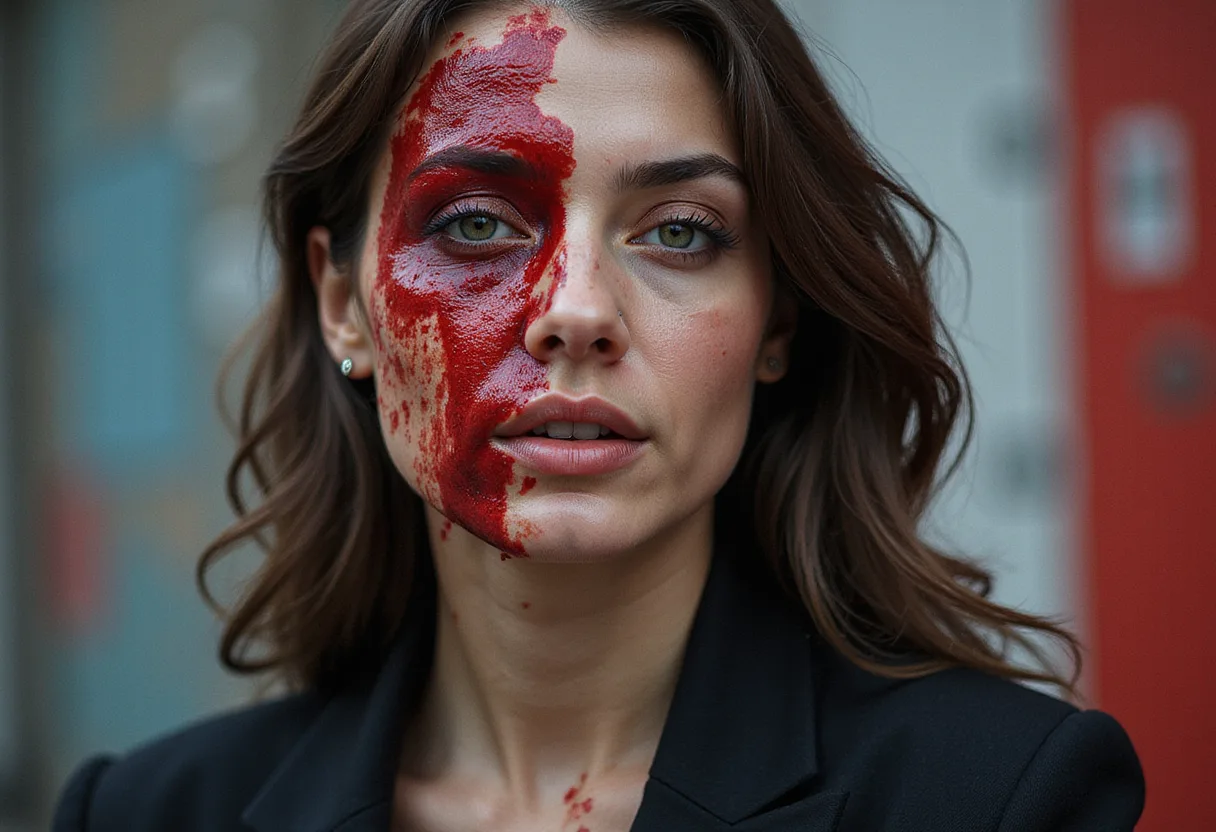
The story, first reported by PetaPixel on October 16, is short on redemption and long on splatter. A young woman with long dark hair and dark eye makeup posed among the cemetery's stone crosses, gazing toward the camera. Dramatic stuff, presumably. The residue — synthetic blood, the kind favored for horror-tinged portraiture — ended up smeared across a mausoleum that houses actual remains and, presumably, actual grieving relatives.
The internet's verdict arrived faster than the blood dried. Commenters have labeled the shoot "disrespectful," and it's hard to argue. This is not a debate about edgy aesthetics. It's a question of basic site conduct.
What actually happened?
A crew — or possibly one photographer and a model — staged a shoot in a Denver cemetery. The set dressing included fake blood. The blood went onto a family mausoleum. The shoot wrapped. The cleanup didn't.
That's the sum of what's on the record. No names have been released. No studio has claimed credit, which tells you something about how the participants feel about their work now.
Why does this keep happening?
Cemeteries have become backdrops by default. The headstones read as texture, the crosses as mood lighting, the whole place as a free gothic set. The fact that it's also a functioning place of burial — with families who visit, and groundskeepers who answer for its condition — tends to get lost somewhere between the shot list and the car ride home.
The Denver case is unusually crude, but the pattern isn't new. Any working editor who handles photography submissions has seen the cemetery-portfolio genre: fog, lace, dead roses, a model looking tragic against someone's grandfather's monument. Most of it stays within the bounds of taste. Then someone brings stage blood.
Who pays for the cleanup?
Here, the arithmetic is simple and unflattering. The cemetery pays. Its staff — not the photographer — will spend hours removing synthetic residue from stone, a task that can require specialty cleaning depending on the mausoleum's surface and age. Historic stonework and fake blood are not a forgiving combination.
One shoot, one afternoon, one mess. The bill lands on the institution that least asked for any of it.
What should photographers take from this?
The craft lesson is boring and old: permissions exist for a reason. Cemeteries generally require them, and most will say yes to respectful work. Prop lists get reviewed. Locations get agreed. Stains get prevented rather than apologized for.
If your concept requires a substance you wouldn't leave on your own family's memorial, the concept needs a set, not a graveside. Studios rent white walls and black floors precisely so that no one's resting place becomes your paint palette.
The Denver mausoleum will be cleaned. The photograph, whatever it looks like, now carries a caption nobody commissioned. That's the trouble with messes in sacred places — they outlive the shoot that made them.
Key points
- A photo shoot left fake blood splattered on a family mausoleum in a Denver cemetery.
- The incident was reported by PetaPixel on October 16.
- The cemetery, not the photographers, is handling the cleanup.
- The shoot has been widely called 'disrespectful' after the story spread.
- The shoot featured a model with dark makeup posing among the cemetery's stone crosses.
Original: kdvr.com
Olivia Hart
Show full bio
Staff writer covering people, launches and day-to-day practice in Photography exhibitions, photographers, photo books, festivals and awards at Lens Gazette.