Dazed spotlights photographers reframing life across the SWANA region
Dazed gathers photographers offering "new visions of life in the SWANA region" — a visibility boost that raises as many curatorial questions as it answers.
Updated
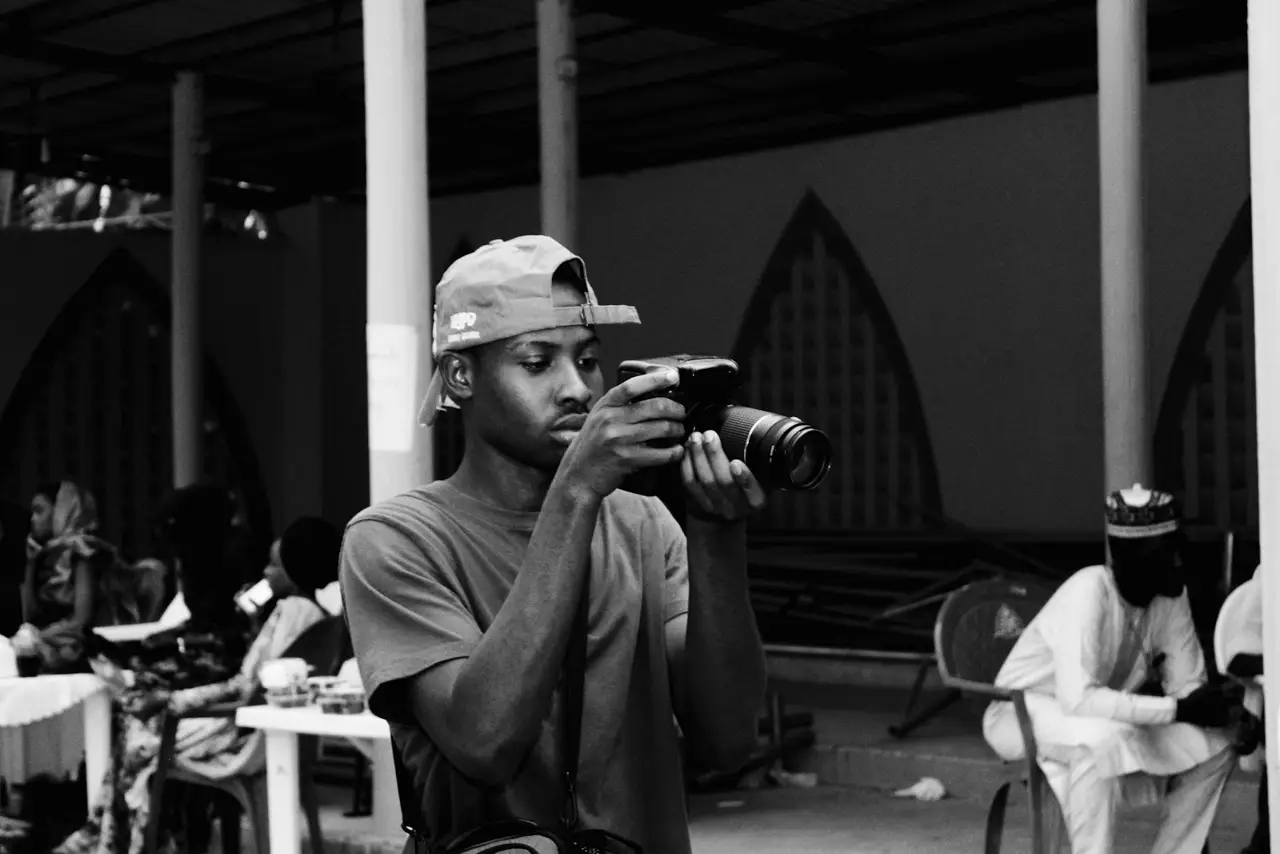
Dazed has published a feature rounding up photographers who, in the magazine's own framing, "offer new visions of life in the SWANA region" — a sweep across Southwest Asia and North Africa that arrives at a moment when Western imagemaking about the area still leans hard on conflict and ruin.
The timing matters. Coverage of the region has long oscillated between two registers: the dateline photograph and the exoticist postcard. A feature that positions working photographers as offering something else — "new visions," in Dazed's phrase — is a claim about direction, not just taste. Whether the selection sustains that claim is the fair question, and the piece itself is short on the evidence a skeptic would want: no curator statements, no prize outcomes, no institutional dates.
What does "new visions" actually mean here?
That is the question Dazed's headline raises and, honestly, the one the feature answers least directly. The SWANA framing — an acronym that has gained ground over the past decade in place of "Middle East," precisely because it decentres a European viewpoint — signals editorial intent. It tells you the photographers are being read through a regional lens rather than a Western one.
What the feature does provide is a platform. Dazed's audience is young, fashion-adjacent and image-literate, which means the stakes are visibility as much as criticism. For photographers working between London, Beirut, Cairo, Tehran and the Gulf, a Dazed slot can move work from a niche gallery context into mainstream visual culture. That is a real effect. It is also, by definition, a curatorial act done at speed, without the slow argument an exhibition or monograph would make.
Why the SWANA label carries weight
The term itself is doing quiet institutional work. Museums and biennales have spent the last several years reorganizing how they present artists from this geography, and the acronym has become shorthand for that correction. A magazine feature sits lower in that hierarchy than, say, a museum survey or a photobook from a serious house.
But magazines move faster. They catch photographers mid-career, before the retrospective logic sets in. The risk, as ever with roundup formats, is flattening: a dozen names flattened into one gesture toward "newness," each granted a paragraph where a body of work might warrant an essay.
The countervailing benefit is simple. Readers who would never seek out a regional survey encounter the work anyway, framed by a publication they already trust. That is how visual canons quietly shift.
What the feature leaves unsaid
Every promise of "new visions" carries an obligation to say new against what. The old visions are not mysterious: decades of wire-agency imagery in which the region appears primarily as catastrophe. Dazed's feature implies that contrast without spelling it out, which is a missed opportunity for a readership that may not know the history it is being asked to move past.
There is also the question of who gets included in such roundups, and on what basis — institutional traction, social-media reach, or genuine formal invention. The feature does not say. Selection criteria rarely appear in magazine curations. That absence is normal, and it is still worth flagging.
Where this points
What the piece signals, at minimum, is continued editorial appetite at major fashion-culture titles for photography from the region that refuses the dateline register. Whether that appetite matures into sustained coverage — longer essays, photobook reviews, exhibition criticism — or remains a periodic gesture is the open question. For the photographers involved, the next markers to watch are the conventional ones: gallery representation, museum acquisition, a monograph. Dazed has opened a door. Walking through it, repeatedly, is what turns a feature into a shift.
Key points
- Dazed published a feature on photographers offering "new visions of life in the SWANA region."
- The feature presents emerging and mid-career image-makers from Southwest Asia and North Africa.
- The SWANA acronym has gained ground over roughly the past decade as a replacement for "Middle East."
- The feature does not list curators, venues, dates or prize outcomes.
- The piece frames the photographers against decades of conflict-focused wire imagery of the region.
Source: Google News: photography exhibition
Daniel Okafor
Show full bio
News editor covering companies, deals and strategy in Photography exhibitions, photographers, photo books, festivals and awards at Lens Gazette.