Eugene Exhibition Turns Fine Art Photography Toward a Vanished State
A fine art photography exhibition in Eugene, Oregon opens a visual record of a dissolved country, moving documentary images into the gallery. Lookout Eugene-Springfield reports the show.
Updated
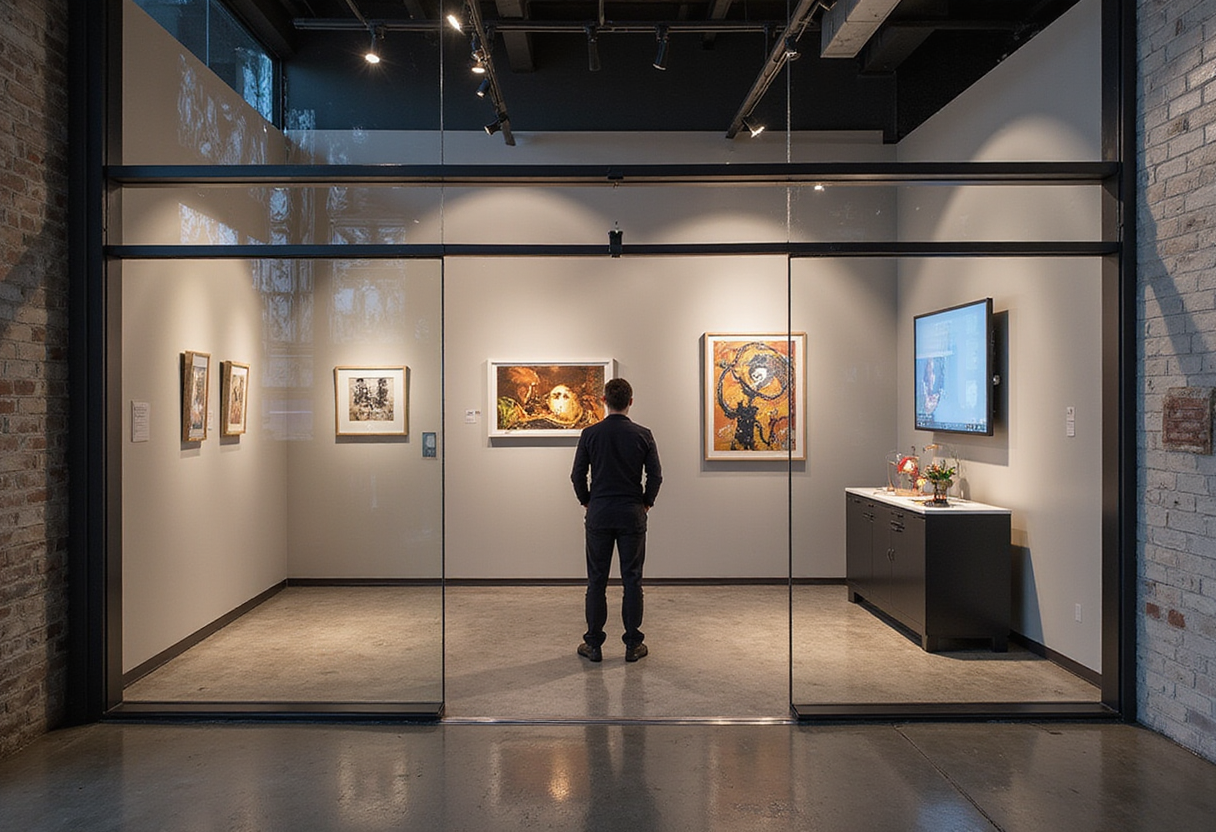
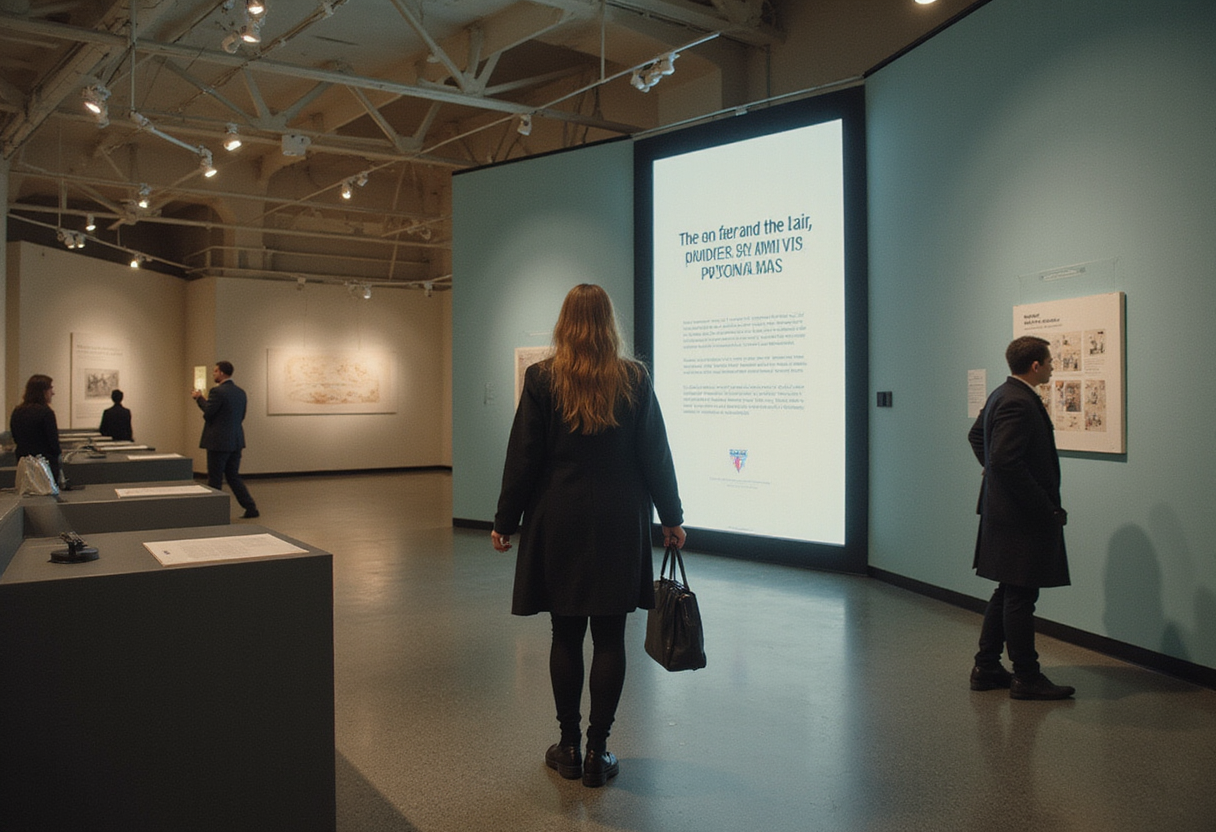
A fine art photography exhibition now showing in Eugene, Oregon invites viewers inside a country that no longer exists. The show, reported by Lookout Eugene-Springfield, uses the documentary and artistic possibilities of the camera to reconstruct daily life in a dissolved state — a subject that painting and sculpture struggle to reach with the same evidentiary force.
Photography has always carried this burden better than any other medium. A negative proves that someone stood somewhere, at some hour, in front of something that actually happened. When a nation dissolves — its borders redrawn, its institutions renamed, its archives scattered — photographs often become the last continuous record of how its citizens lived, dressed, ate and mourned.
The Eugene presentation sits squarely within a tradition that curators have spent decades building. Major institutions from the Museum of Modern Art in New York to the Victoria and Albert Museum in London have long treated photographs of vanished political entities not as journalism but as fine art: prints made with intention, sequenced with argument, hung with the same care given to painting.
What does an exhibition about a dissolved country actually show?
Shows of this kind typically trade in the ordinary rather than the monumental. Street scenes, domestic interiors, factory floors and schoolrooms carry the weight. The strongest images in the genre tend to be the quietest ones — a table set for a meal, a bus stop, a poster peeling from a wall — because they record the texture of a life that official histories discard.
For practitioners, the craft questions are concrete. How do you print work whose original context has collapsed? How do you sequence images of a place that maps no longer name? Curators working with material from dissolved states must make these decisions without the safety net of a living national institution that can confirm or correct them.
The Eugene exhibition joins a broader institutional movement. Regional museums and university galleries across the United States have increasingly programmed photography from politically extinguished contexts, arguing that the medium offers something textual archives cannot: faces, gestures and light.
Why fine art framing matters
Labeling this material "fine art photography" is not a neutral choice. It moves the work out of the news archive and into the gallery, where slow looking replaces fast consumption. A newspaper photograph of a dissolved country asks what happened. A gallery print asks what it felt like to live there, and what remains now that the state is gone.
That reframing also changes the photographer's standing. The person who made these images becomes an author rather than a witness of record — credited, interpreted, placed in an art-historical lineage. For photographers working in or from dissolved states, that shift can be the difference between invisibility and institutional preservation.
Audiences in Eugene will encounter the work under exactly these conditions. The city's gallerygoers, better known for proximity to the Cascade landscape tradition of American photography, will instead face images of a political geography that has slipped off the map.
The exhibition's premise is a sobering one for the medium itself. Countries dissolve more often than photographic archives survive them, and every exhibition like this one doubles as an argument for keeping negatives, prints and files safe before the institutions that hold them disappear too.
Lookout Eugene-Springfield, which reported the show, frames it as an opportunity to look inside a world most Oregonians could never visit in life — one that now exists only in images, testimony and memory.
Whether the exhibition succeeds as argument as well as atmosphere will depend on decisions viewers can judge only in person: the sequencing of the rooms, the quality of the prints, and whether the curators resist nostalgia — the genre's most familiar trap — in favor of harder, more precise looking.
The show runs in Eugene now, and its deeper wager is clear: that photography can keep a dead country alive in the only sense that matters publicly — visibly, and on walls.
Key points
- A fine art photography exhibition is currently on view in Eugene, Oregon.
- The exhibition offers a look inside a country that has dissolved and no longer exists.
- Lookout Eugene-Springfield reported the exhibition.
- The show frames documentary photography as fine art, moving images of a vanished state into a gallery context.
Source: Google News: photography exhibition
James Calloway
Show full bio
Market editor covering people, launches and day-to-day practice in Photography exhibitions, photographers, photo books, festivals and awards at Lens Gazette.