A Photography Exhibit in Eugene Turns Its Lens on a Vanished Country
A Eugene-Springfield photography exhibition documents a country that no longer exists, with images now carrying the burden of proving a vanished state was once real.
Updated
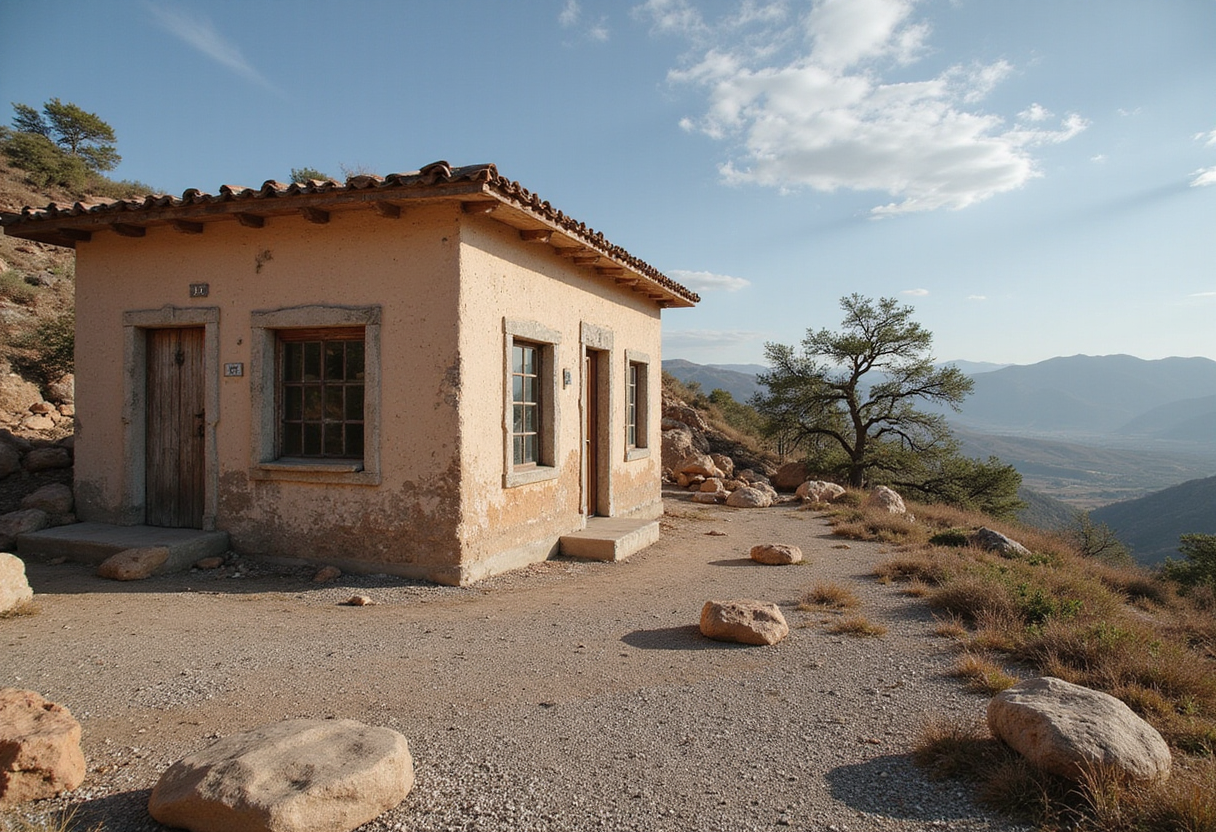
A photography exhibition in the Eugene-Springfield area takes as its subject a country that no longer exists, according to local news outlet Lookout Eugene-Springfield, which reports the show under the headline "A photography art exhibit reveals a dissolved country."
That is a bold claim for any exhibition, and the framing deserves attention. Photography has long been the medium we trust to testify that something once stood somewhere — a building, a border, a way of organizing life. When the state itself has dissolved, the photographs inherit the burden of proof.
What can a photograph prove about a vanished state?
The genre has a distinguished lineage. Photographers working in the Soviet Union in its final years, in Czechoslovakia before the 1993 split, in Yugoslavia through the 1990s — each produced bodies of work that outlived the political structures they recorded. Museums and publishers have spent the past three decades mining those archives precisely because the negatives outlasted the nations.
An exhibition framed around a dissolved country places itself in that tradition. The camera becomes a registrar of last resort: street signs in a dead alphabet, uniforms with no army left to wear them, holiday crowds celebrating dates nobody marks anymore. Lookout's report signals a show interested in this evidentiary power rather than nostalgia alone — "reveals" is a strong verb, and the outlet chose it deliberately.
Why does this matter in Oregon's Lane County?
Eugene and Springfield host an engaged photographic public, with university galleries and a regional audience that turns out for work carrying historical weight. A show about a country that has disappeared inevitably doubles as a show about impermanence closer to home — borders, institutions and civic certainties that look permanent until, quite suddenly, they aren't.
The Lookout report does not name the country in its headline, which is itself a curatorial choice worth noting. Readers are invited to arrive without preconceptions, to meet the place through its images rather than through the politics its name would trigger.
What should visitors expect?
Per the outlet's coverage, this is an art photography exhibition — not a documentary display and not a historical timeline. The distinction matters. Art photography asks viewers to consider how a dissolved country looked from the inside, at street level, in kitchens and queues, while it still believed in itself.
That is the quiet power of the form. A treaty can dissolve a state in an afternoon. A photograph of that state's ordinary Tuesday takes considerably longer to disappear.
Lookout Eugene-Springfield, which broke the story locally, suggests the exhibition is on view now for area audiences; its report points readers toward the gallery context and the full scope of the series.
Key points
- A photography art exhibition in the Eugene-Springfield area documents a dissolved country, per Lookout Eugene-Springfield.
- The outlet's report frames the show as "revealing" the vanished nation rather than merely remembering it.
- The exhibition places itself in the tradition of photographic records of states that no longer exist.
- Lookout Eugene-Springfield broke the story locally and points readers to the gallery presentation.
Source: Google News: photography exhibition
Olivia Hart
Show full bio
Staff writer covering people, launches and day-to-day practice in Photography exhibitions, photographers, photo books, festivals and awards at Lens Gazette.