Electricity Burns the Family Archive: Hillerbrand+Magsamen Win Art + Science Prize
Houston duo Hillerbrand+Magsamen win Lenscratch's 2026 Art + Science Competition with Electrically, burning their family photo archive with live electrical current in Lichtenberg fractal patterns.
Collaborative artists Mary Magsamen and Stephan Hillerbrand have won First Place in the 2026 Lenscratch Art + Science Competition, themed States of Change, for their series Electrically — photographs from a twenty-year family archive that they burn and scar with live electrical current.
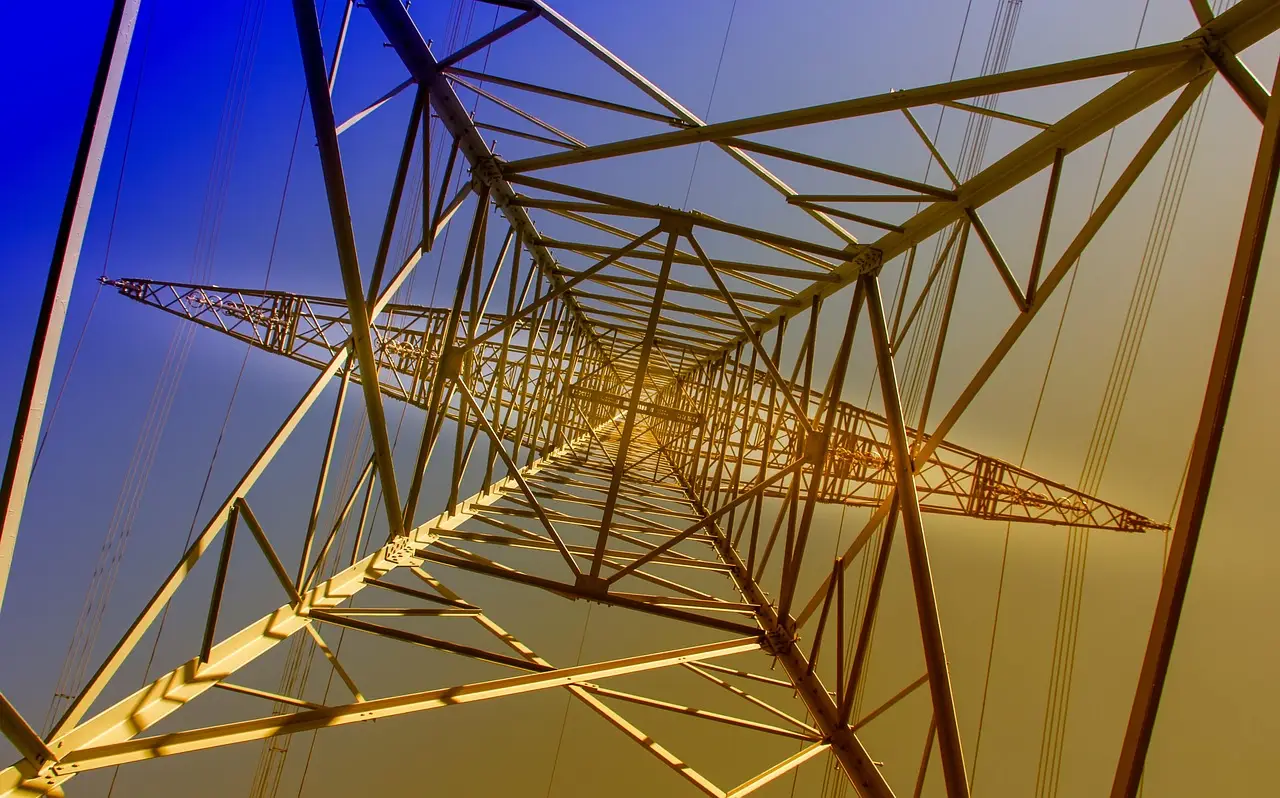
The winning method is direct and dangerous. The duo crop emotionally charged images down to peripheral fragments — a cloud, bedroom drapes, kitchen cabinet doors, grass, a hand — then discharge electricity across the large-scale prints. The current burns, scars and fuses with the photographic surface, leaving dark, branching patterns the artists compare to inverted lightning. Each result is a one-of-a-kind object.
What does the work actually show?
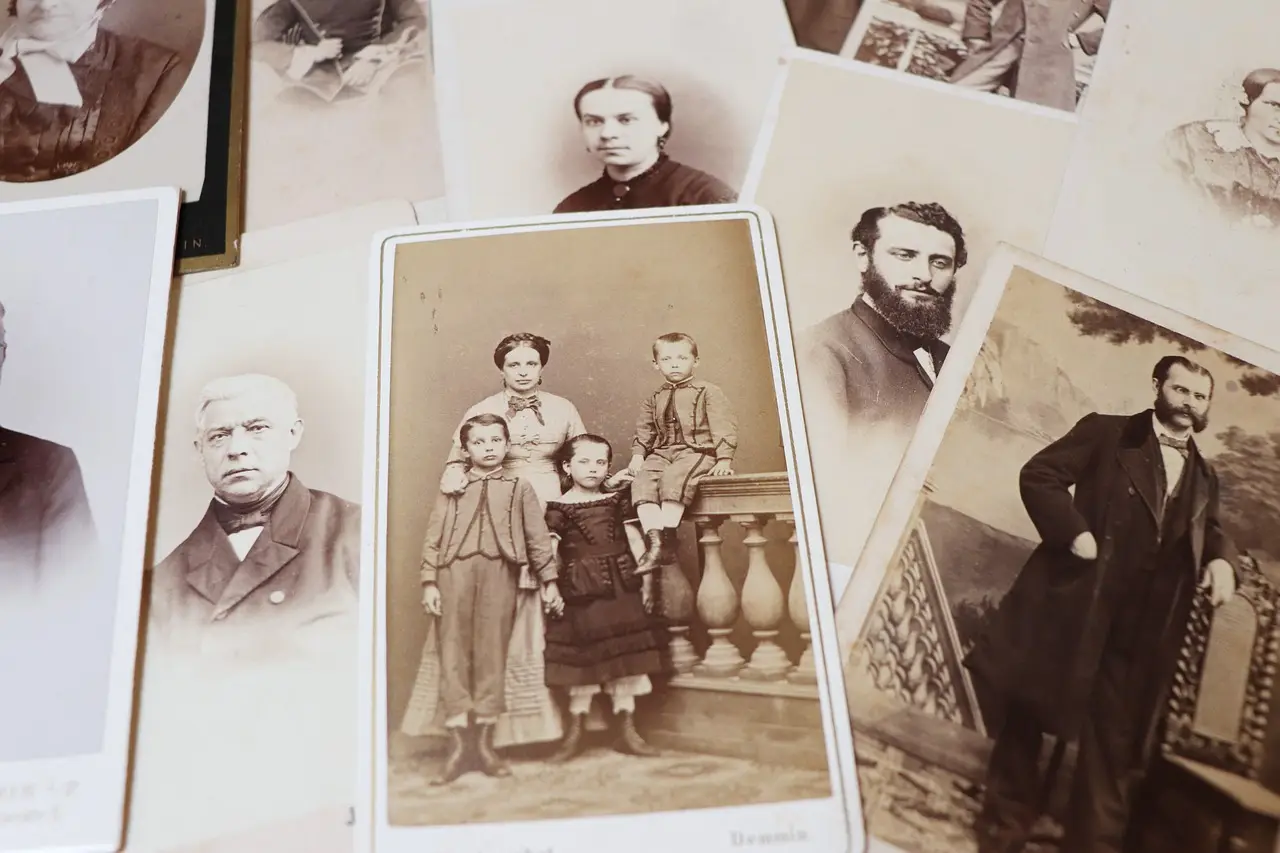
Fragments, first of all. The artists returned to thousands of photographs accumulated over more than two decades in their 1960s house, searching for images with what they call "an overwhelmingly strong emotional presence or energy." They then cropped away the event itself, discarding the original narratives of celebrations, losses and everyday family life.
What remains are ordinary details that become, in their words, "charged containers for memories that are no longer completely visible."
The technique has a name and a history. Using Lichtenberg burning — also known as fractal burning — the artists send electrical discharge through the artwork, producing fractals of charred deposits. The process nods to the Surrealists' "automatic drawing" and takes its name from German experimental physicist Georg Christoph Lichtenberg (1742–1799), who also authored The Waste Books. The artists describe the burning as performative, requiring "a unique collaboration between us and two points of electricity."
The project's title carries its own archive. A bronze medallion embedded in the brick next to the front door of their house reads "Live Better Electrically" — a relic of one of the most successful postwar mass-marketing home advertising campaigns in US history, run by General Electric and Westinghouse.
"After a tumultuous couple of years, we want to live better too, and reconnect," the artists said. Through what they call "a dynamic and dangerous process of destruction and renewal," they translate electricity into an abstract visual language, making physical traces of a force we normally perceive only through its effects.
Who judged, and on what grounds?
The jurors were Linda Alterwitz and Ben Hickey. Alterwitz is an interdisciplinary artist who has combined art and science for over two decades, using high-resolution thermal cameras and other digital and analogue techniques to visualize phenomena beyond ordinary perception. She has exhibited at FORMAT25 in Derby, UK; the Museum of Art & History in Lancaster, California, as part of the Getty's PST ART: Art & Science Collide initiative; and the New Mexico Museum of Art in Santa Fe. Her work sits in permanent collections at the Getty Research Institute, the Center for Creative Photography in Tucson, and the Nelson-Atkins Special Collections Library, among others. She holds Nevada Arts Council Fellowships for Visual Arts from 2025 and 2014.
Hickey is Executive Director of the Center for Exploratory and Perceptual Arts in Buffalo, New York, and previously curator of exhibitions and Emily Cyr Bridges Endowed Professor of Art at the Hilliard Art Museum, University of Louisiana at Lafayette. With over one hundred exhibition credits, he has shown artists including Dawoud Bey, Sonya Clark, Hasan Elahi and Letitia Huckaby. In 2023 he received a Samuel H. Kress Foundation Travel Grant, and he served as a trustee of the Association of Art Museum Curators from 2015 to 2020.
The jury's stated criteria favored artists who showed how applied science and scientific inquiry — or its absence — broadly affect people, and whose practice treats photography as intrinsically bound to the scientific method. "From the use and development of gum arabic to charge-coupled devices, photography is nothing if not science perfectly blended with fine art," the jurors wrote, "but not all photographers navigate their creative lives with this in mind."
Who are Hillerbrand+Magsamen?
The husband-and-wife-style collaborative team works across photography, video, performance, sculpture and installation. Their exhibition record spans FotoFest, the Museum of Fine Arts Houston, the Grand Rapids Art Museum, the Everson Museum, the Griffin Museum of Photography, the Ann Arbor Film Festival, Fusebox Festival, The Momentary and the Chicago Underground Film Festival.
Residencies include the International Studio & Curatorial Program in Brooklyn, the Bemis Center for Contemporary Arts in Omaha, and the Robert Rauschenberg Residency on Captiva Island, Florida. Support has come from the Robert Rauschenberg Foundation, the Sustainable Arts Foundation, the Austin Film Society and the Houston Endowment.
The win places Electrically in a competition lineage that has previously recognized Julie Anand and Damon Sauer, Zac Henderson, and honorable mentions elin o'Hara slavick and Leslie Gleim. For a duo whose stated subject is "memories, home, histories, and a fusing of science and art," the prize affirms a practice that literally lets an invisible force rewrite the family album — and suggests the States of Change platform will keep rewarding work where the science is in the making, not just the subject matter.
Key points
- Hillerbrand+Magsamen won First Place in the 2026 Lenscratch Art + Science Competition, States of Change.
- The series Electrically applies Lichtenberg (fractal) burning to prints from a 20-plus-year family archive.
- The technique is named for physicist Georg Christoph Lichtenberg, 1742–1799.
- Jurors were artist Linda Alterwitz and Buffalo curator Ben Hickey, with over 100 exhibition credits.
- The duo has exhibited at FotoFest, MFA Houston, Grand Rapids Art Museum and the Griffin Museum of Photography.
Original: hillerbrandmagsamen.com
Marcus Bennett
Show full bio
Correspondent covering companies, deals and strategy in Photography exhibitions, photographers, photo books, festivals and awards at Lens Gazette.