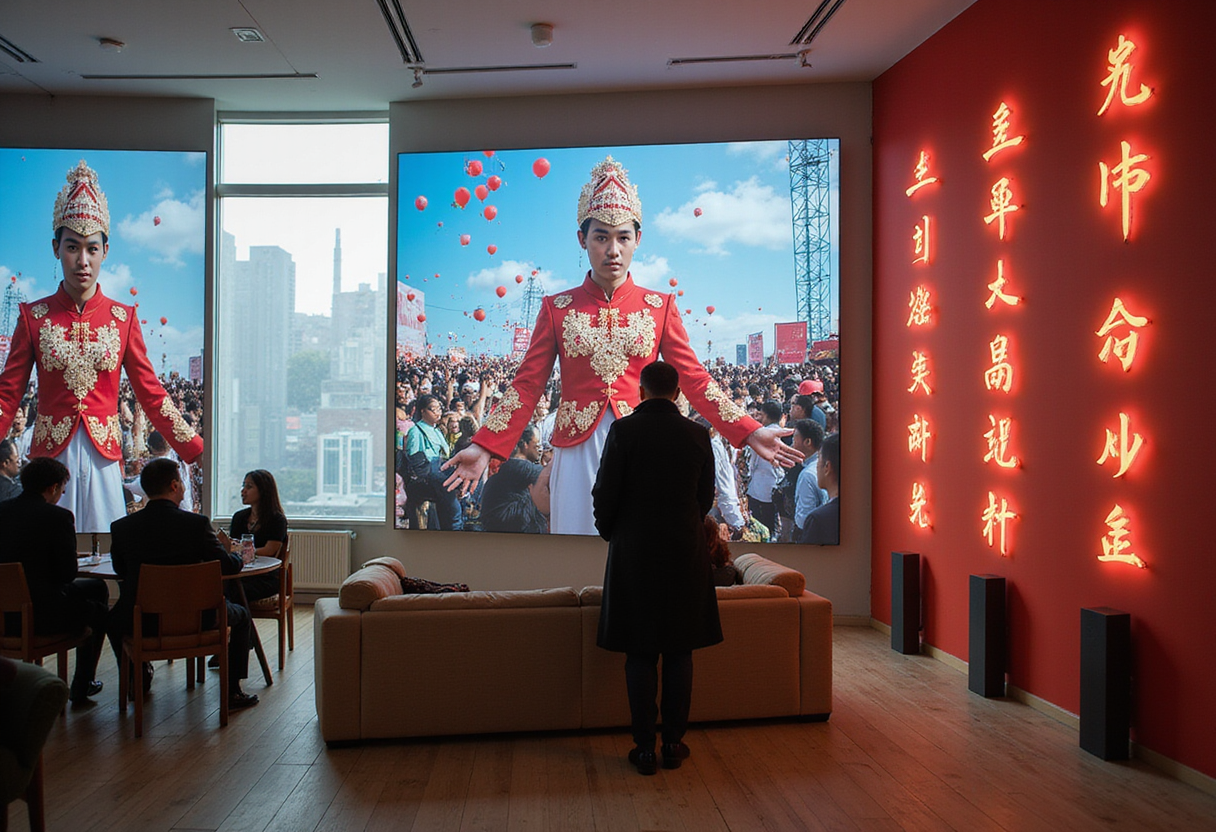
Daejeon Photo Festival Traces Global Labor in Images
The Daejeon Photo Festival surveys work across continents: mines, markets, fields and assembly lines, placing contemporary documentary projects in a tradition running from Hine to Salgado.
Updated
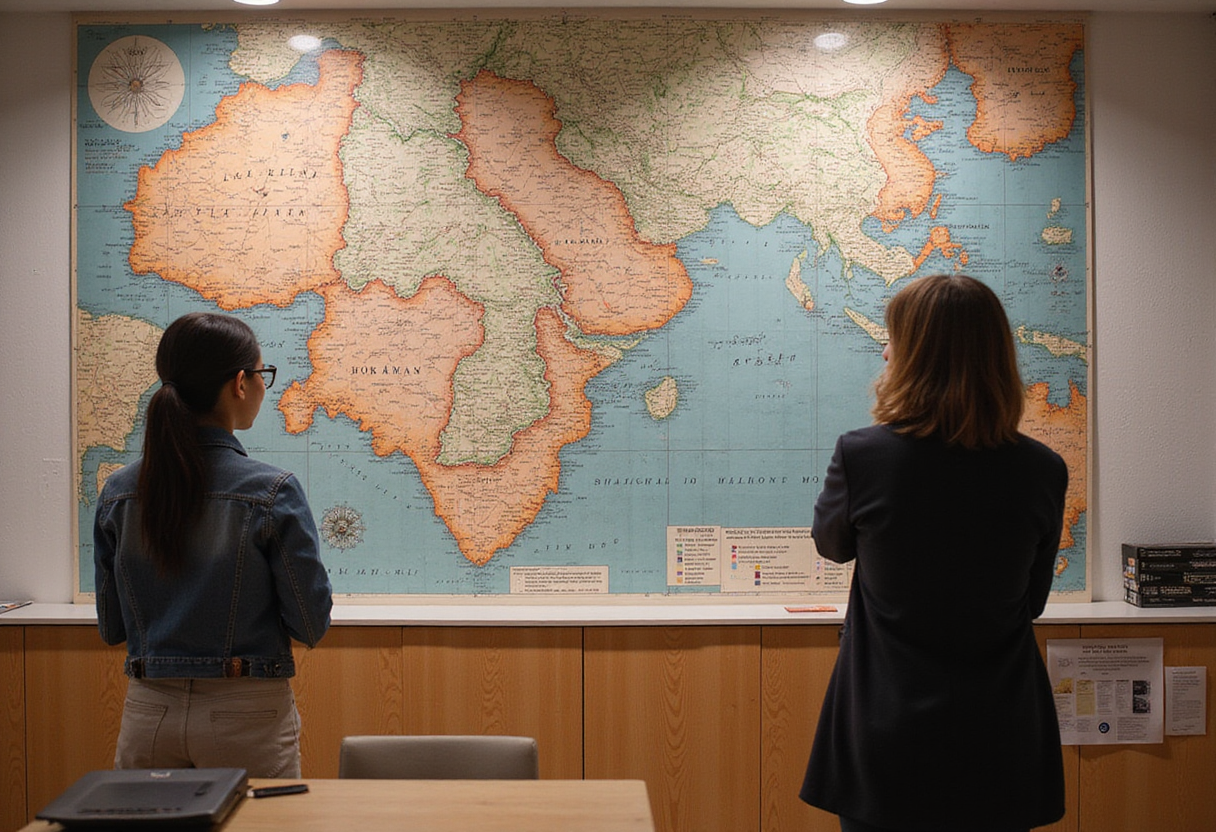
The Daejeon Photo Festival has opened in Daejeon, South Korea, with a program devoted to labor — the fieldwork, factory floors, night shifts and informal trading that sustain economies but rarely appear in photographs made for galleries.
Festival organizers assembled photographers whose long-term projects document working lives across several continents. The exhibitions move between industrial sites, agricultural communities and urban street economies, following a single thread: how photographic projects record labor that usually stays invisible.
The program places documentary practice in a longer tradition. Photographers have documented workers since the medium's earliest decades — from Lewis Hine's factory and millstone photographs to Sebastião Salgado's epic surveys of manual labor. The Daejeon edition extends that lineage, showing contemporary projects that follow workers through mines, markets, fields and assembly lines.
Several series stand out for their patience. One photographer spent years embedded with mining communities, shooting on medium format and returning across seasons until the work acquired the density of a sustained portrait rather than a report. Another project tracks street vendors and market porters, photographing at dawn and late at night to catch the hours when informal commerce actually runs. A third documents agricultural labor, recording planting and harvest cycles across a full year.
The festival also examines how these projects circulate. Some photographers publish their work as books; others work with unions and NGOs to place images where the workers themselves can see them. A panel discussion addressed the ethics of photographing people who rarely consent to being seen — who pays for the work, who distributes it, and who benefits.
Daejeon, a research and technology hub in central South Korea, may seem an unlikely host for a festival about manual labor. The contrast works in the program's favor: a city built on laboratories and engineering hosts images of the physical work that still underpins every economy, including ones that have moved past it.
The exhibitions run through the autumn, with satellite shows across the city and an education program for young photographers. The festival's next edition will turn to migration — the movement of workers across borders, and the photographs that follow them.
Key points
- The Daejeon Photo Festival opened in Daejeon, South Korea, with labor as its central theme.
- Exhibitions document mining communities, street vendors and agricultural workers across several continents.
- The festival includes a panel on the ethics of photographing workers, plus satellite exhibitions and an education program.
- The next edition will focus on migration.
Source: Google News: photography festival
James Calloway
Show full bio
Market editor covering industry trends and analytics at Lens Gazette.