At Harvard's Peabody Museum, Photographs Reimagine Iranian History
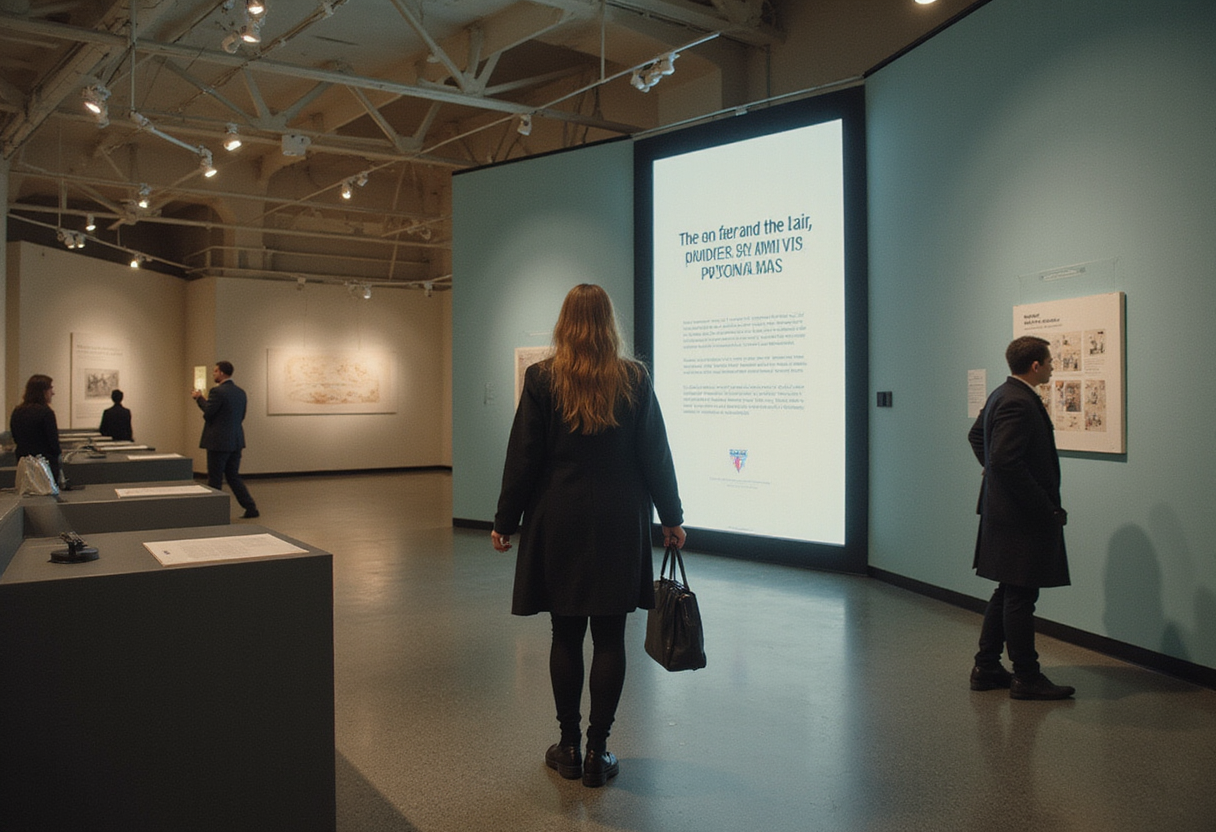
A photography exhibition at Harvard's Peabody Museum reframes Iranian history through contemporary image-making, treating the camera as an interpretive tool for reworking the past.
Updated
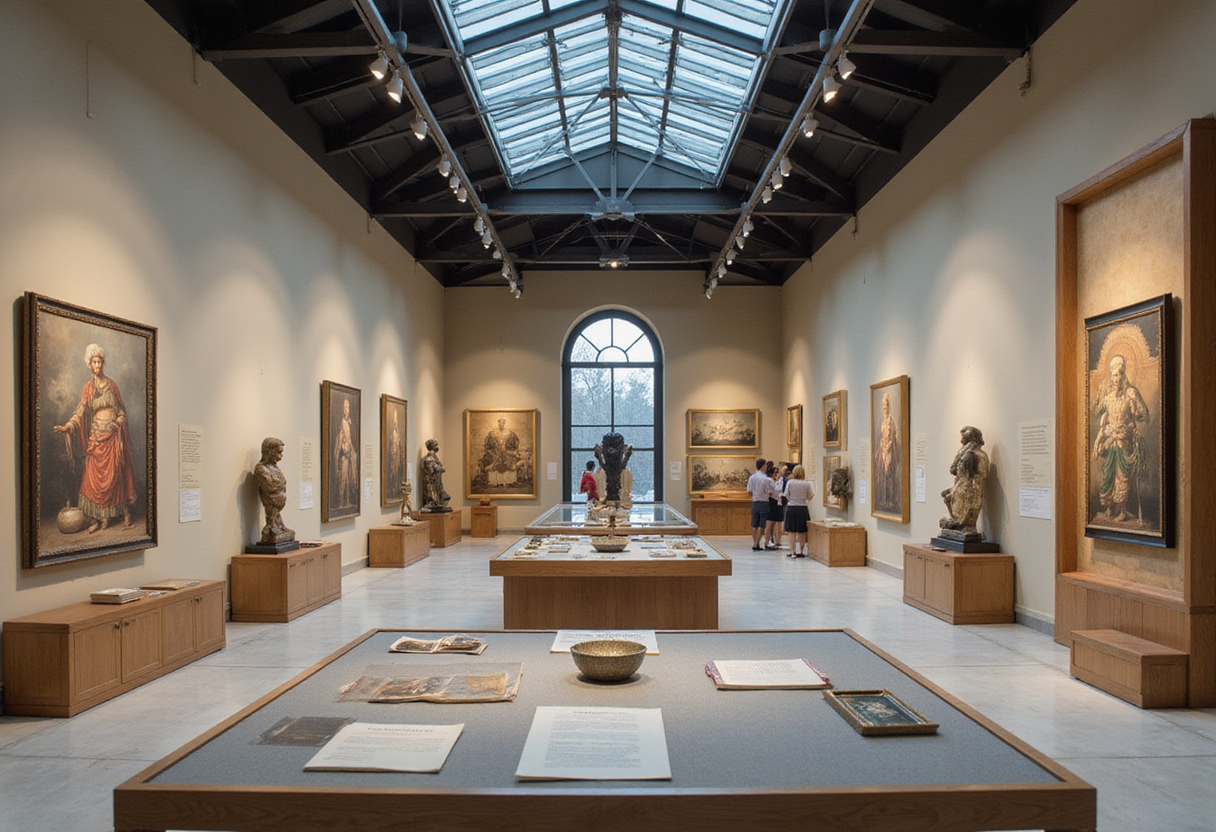
A photography exhibition at Harvard's Peabody Museum reframes Iranian history through contemporary image-making. Harvard Magazine publishes the coverage under the headline "At Harvard's Peabody Museum, Photos Reimagine Iranian History." The framing word signals a deliberate departure from documentary or archival modes.
The verb "reimagine" carries the show's central argument. It signals construction rather than documentation. Photographs in such projects stage scenes, restage events, or composite figures from different eras. The camera operates as an interpretive tool. History arrives as material to be reworked, not as settled record. Visitors encounter the past through the artist's chosen lens.
What does the Peabody's hosting signal?
The Peabody Museum of Archaeology and Ethnology holds one of the oldest anthropological collections in the United States, a resource that has long shaped scholarly work on human culture. Its galleries have organized displays around geographic regions and cultural traditions for well over a century. A show built around Iran extends that regional framework while pushing photography beyond ethnographic illustration. The exhibition treats the medium as critique as much as record.
The museum sits within Harvard's Cambridge campus. Its curatorial program has historically balanced artifact display with scholarly publication. Photography exhibitions on contested histories fit that dual mission well. The Peabody lends institutional weight to work that questions how images make the past visible.
The hosting reframes the museum itself as a site of visual argument.
Why photography for Iranian history now?
Iranian visual culture carries a long photographic tradition reaching back to the nineteenth century. Studio portraiture flourished in cities from Tehran to Tabriz. Photographers documented Qajar and Pahlavi eras through both official and informal lenses. A contemporary exhibition that reimagines this history draws on that deep archive of practice.
Such projects also respond to limited representation in Western museum collections. Major U.S. institutions have often shown Iran through ancient artifacts, ceramics, and textiles. Photography offers a different point of entry. It addresses the twentieth and twenty-first centuries directly. It stages the recent past with deliberate ambiguity that text cannot match.
The medium suits historical revision well. A photograph can compress time, restage events, or splice archival fragments with contemporary shoots. The resulting image refuses the boundary between document and invention. That refusal often serves as the work's core claim.
Photography enters where artifacts cannot reach.
What questions does the work raise?
The exhibition invites viewers to question the line between evidence and construction. A reimagined image looks historical but carries the artist's present-day choices. Every costume, light source, and framing decision embeds interpretation. The museum visitor reads images as arguments rather than facts.
The approach also raises questions about authority. Photography exhibitions on contested pasts often provoke debate among scholars and the public. The Peabody's institutional weight gives the show a particular audience that will likely include students, researchers, and Cambridge residents over the run of the exhibition.
The work places the camera inside the historian's role.
Where does the work head next?
Photography exhibitions at Harvard museums tend to travel to peer institutions within a year or two of opening. Reimagining projects of this kind also generate accompanying publications. Scholarly catalogs extend the exhibition's reach beyond the gallery walls. The work continues a broader current of photographic revision running through U.S. museums today.
Future venues will likely program the show alongside contemporary Iranian art surveys. The Peabody's hosting places photography at the center of how a major research museum treats contested national histories. That shift will shape how peer institutions approach similar projects in the years ahead.
Photography now sits at the center of historical inquiry, not at its margins.
Key points
- Exhibition reported by Harvard Magazine under the headline 'At Harvard's Peabody Museum, Photos Reimagine Iranian History'
- Show takes place at Harvard's Peabody Museum of Archaeology and Ethnology in Cambridge, Massachusetts
- The exhibition uses contemporary photography to reimagine Iranian history
- The verb 'reimagine' in the show's title signals construction rather than documentation
- The Peabody holds one of the oldest anthropological collections in the United States
Source: Google News: photography museum
Grace Kim
Show full bio
Senior reporter covering companies, deals and strategy in Photography exhibitions, photographers, photo books, festivals and awards at Lens Gazette.