Artists who donate their own works to UK museums should get tax breaks
A new CPU report proposes tax recognition for artists donating works to UK museums, plus simplified inheritance rules and a King's Philanthropy Medal, as arts funding gaps widen.
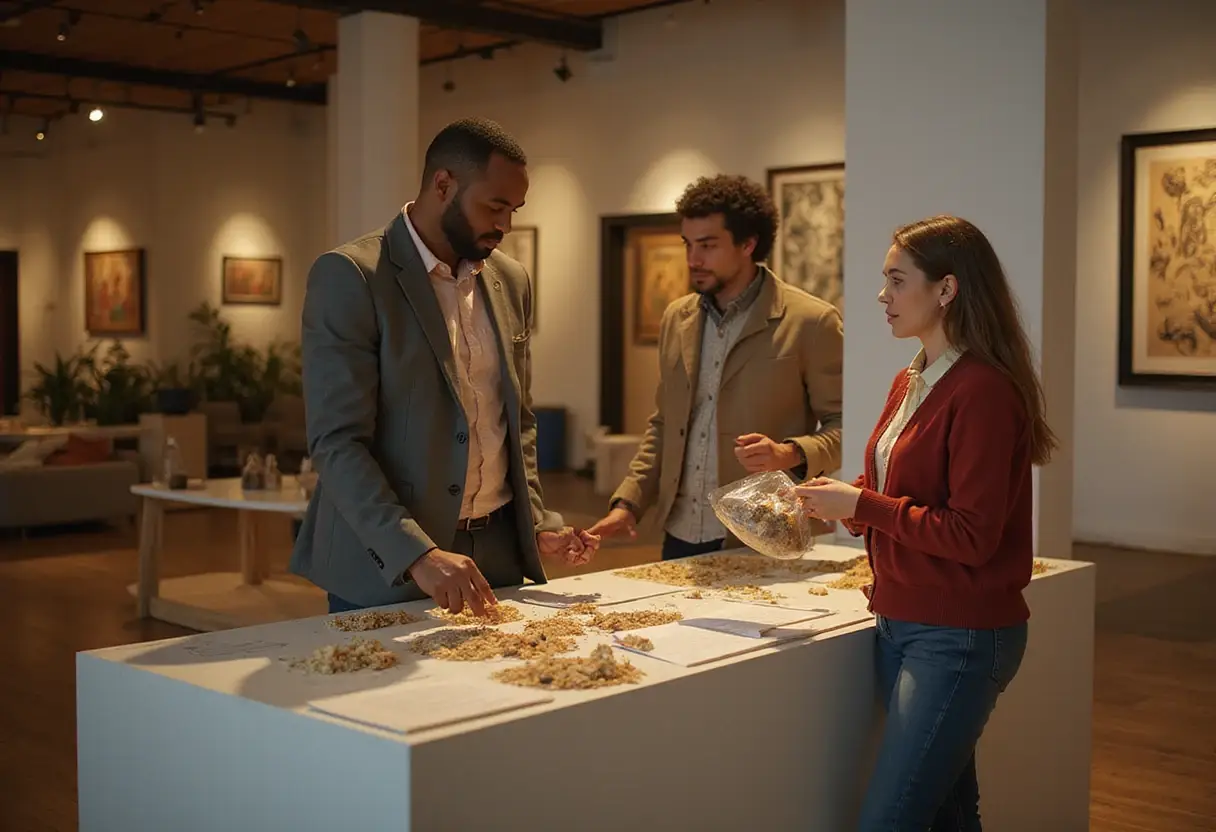
Artists who donate their own works to UK museums and galleries should receive tax recognition, according to a report published on 18 November by the think tank The Cultural Policy Unit (CPU). The proposal sits at the centre of "A National Strategy for Cultural Philanthropy", a wide-ranging document that argues philanthropy "should be treated as both an urgent [UK] strategic priority and a deliberate instrument of cultural policy".
The stakes are financial. The CPU states that "public finances have tightened considerably over the last 15 years, government funding for the arts has declined and self-generated income, while a key area, has not succeeded in plugging the widening gap". The report frames its "tax enabling" proposals as a response to that structural shortfall rather than a cosmetic reform. In plain terms, the money museums raise themselves no longer covers what the state has withdrawn.
What does the report propose?
The recommendations run across several fronts:
- Tax recognition for artists who donate their own works to qualifying cultural institutions, based on independent valuation.
- Simplified inheritance tax rules to protect charitable giving through estate planning.
- Clearer rules around VAT for cultural donations.
- A King's Philanthropy Medal for Culture.
- A national cultural "match-and-seed funding" programme with a regional focus.
The valuation mechanism matters here. It would let an artist who gives a work to a public collection offset a professionally assessed value against tax, closing a gap that currently discourages living artists from enriching museum holdings with their own output. That is the mechanism the report wants government to adopt. In plain words, the tax code would finally reward the artist as donor, not only the collector.
Why does the CPU think the system is broken?
Alison Cole, director of the CPU and former editor of The Art Newspaper, is blunt about the imbalance. She said: "While the arts funding environment has changed dramatically in recent years, the philanthropic landscape has hardly kept pace let alone filled the gap with the UK lagging far behind the incentives offered by many of our European and US counterparts. We need a new national strategy that not only identifies the opportunities and need, but also thrives on a spirit of creative collaboration and mutual respect."
The report concedes that Britain has a strong philanthropic tradition, and it names the instruments that already work: Gift Aid, Acceptance in Lieu and the Cultural Gifts Scheme have all delivered real benefits. The CPU's argument is that these schemes should be enhanced so that donors are more aware of what they offer. The problem, in its view, is not an absence of generosity but an architecture that hides it.
The report also diagnoses a structural difference between the UK and its peers. British incentives are "broadly generous, but they are structured very differently from overseas models", it says, with the practical result that "British donors give quietly and anonymously, while the US and other systems reward public foundations and naming opportunities".
What do museum figures say?
Charles Saumarez Smith, who previously led the National Gallery, the National Portrait Gallery and the Royal Academy, called the report "sensible". "I particularly appreciated the information as to how other countries encourage philanthropy, not just the US," he told The Art Newspaper. "The biggest issue seems to me to be the lack of clarity round the existing systems, including, for example, around inheritance. How many people, even within cultural institutions, knows how this operates?"
That point echoes the report's own case. Even professionals inside museums struggle to navigate the current rules. Simplification, not just generosity, is the reform being asked for.
Is the American model the right template?
Not everyone signs off on transatlantic imitation. Kate Rolfe, a cultural strategy consultant, agrees that "new incentives are needed" but warns against "following the US model too closely". She said: "It can change the decision-making dynamic internally and make it harder to follow an organisational vision."
Rolfe also points to an area the debate often skips. "I also think corporate donations need to be reincentivised, as these often lead to really creative partnerships based on shared audiences and values," she said.
Where has focused giving already worked?
The report cites evidence that targeted philanthropy can deliver at scale. The Domani project at the National Gallery in London secured £375m from Crankstart, the charitable foundation of Sir Michael Moritz and his wife Harriet Heyman, and the Julia Rausing Trust for a new Modern art wing. One project, two donors and a nine-figure sum committed to a single institution.
Cole, however, resists reading Domani as a template for London alone. "The real transformation needs to be across the country and not just in the capital," she said. The proposed match-and-seed programme carries that regional mandate, and the report positions it as the instrument that would spread major giving beyond the capital's museums. In plain words, the capital has proved the model works; the country has yet to benefit from it.
The test now sits with government. The CPU has set out the tax levers, the honours incentive and the regional funding mechanism; whether ministers treat cultural philanthropy as an urgent strategic priority, as the report demands, will decide whether the UK's giving gap narrows or widens.
Key points
- Report published 18 November by The Cultural Policy Unit proposes tax breaks for artists donating own works to UK museums.
- The Domani project at the National Gallery secured £375m from Crankstart and the Julia Rausing Trust for a new Modern art wing.
- Government arts funding has declined over 15 years as public finances tightened, the report says.
- Proposals include a King's Philanthropy Medal for Culture and a regional match-and-seed funding programme.
Source: theartnewspaper.com
Grace Kim
Show full bio
Senior reporter covering companies, deals and strategy in Photography exhibitions, photographers, photo books, festivals and awards at Lens Gazette.