Amin Yousefi Turns an Iranian School Manual Into a Study of the Trained Body
Amin Yousefi, C/O Berlin Talent Award 2026 winner, annotates and restages an Iranian school manual for a 2027 exhibition at Amerika Haus.
Amin Yousefi, winner of the C/O Berlin Talent Award 2026, will exhibit his new project Defensive Readiness: Revised Edition at C/O Berlin's Amerika Haus from 13 February to 02 June 2027. The work dismantles a textbook once distributed to Iranian high-school students and turns it into an inquiry about how states train bodies.
Yousefi was born in 1996 in Abadan, Iran. He holds an MA in photography from the University of Westminster and lives in London. His work has appeared at Fotografisk Center in Copenhagen and Ag Galerie in Tehran. In 2026 he published the photobook Eyes Dazzle as They Search for the Truth with Luhz Press.
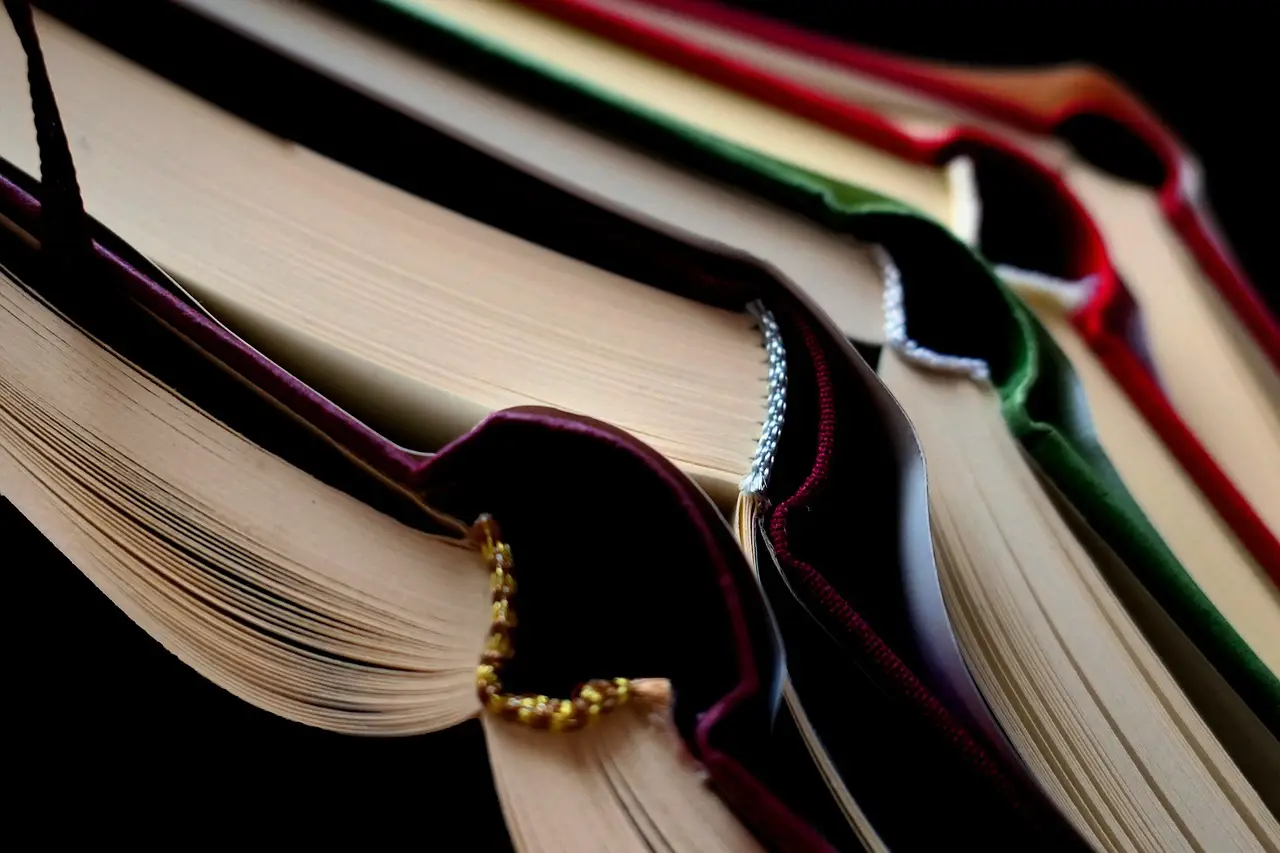
The new project starts from a manual. Students encountered it at around fifteen. "It functions more as a manual that trains bodies into legibility," Yousefi said. "It teaches how to stand, aim, rescue and respond to threat." The takeaway is plain: the book is not a historical object but a machine for producing obedient citizens.
What does the artist do with the textbook?
Yousefi intervenes on two levels. The first is reproduction and annotation. He reworked selected pages with corrections, darkroom-style markings and handwritten notes. The marks imagine the material before it reached the classroom. The language of instruction shifts into something clinical and procedural.
This, he argues, reveals how institutional power operates through forms that resemble care. "The body is not only commanded, but measured, corrected, stabilised, made compliant," he said. The textbook becomes, in his words, an archive of body politics, where governance works through visibility, repetition and normalisation rather than force alone.
The second intervention is performative. Yousefi re-enacted poses from the manual with his own body and translated them into three-dimensional scans. Restaging flat diagrams as volumetric records exposed what the original images suppress: weight, strain, micro-adjustments and constant instability of balance.
The re-enactments also sharpened his reading of the source photographs. The students in them are ordinary bodies, not trained soldiers. Their small inconsistencies in posture and coordination become visible when compared with the ideal figures the manual presents as effortless.
How does restaging change the meaning?
The core of the project is a shift in position. "By annotating the textbook and then restaging its images with my own body, I moved from reader to participant," Yousefi said. "That shift changed how I understood institutional images. It changed it from evidence into an apparatus."
As a reader, he could analyse the rhetoric from a distance. As a participant, he felt authority enter through posture, rhythm and anticipation. The image, in his account, does not simply describe a form. It demands cooperation in order to complete its instruction through the body.
This led him to treat institutional photographs as rehearsals. They rehearse obedience through repeated gestures until compliance feels natural, almost internal, like bodily knowledge. The citizen they imagine is not heroic. He is alert, technically functional, emotionally restrained, physically aligned with others, and available to the state before he is fully formed as an individual. He is, Yousefi said, repeatable, measurable and ready for activation.
What about authorship and found images?
Yousefi approaches the textbook as a charged historical object containing anonymous bodies and institutional intent. Annotation, sequencing and re-enactment are, in his view, not neutral acts. They alter the conditions under which images are read. They slow the authority of the manual.
He also resists the idea that reinterpretation can overwrite what already exists. In his previous project, Eyes Dazzle as They Search for the Truth, he worked with photographs by Michel Setboun, who described the process as treating images as "the raw material… the fertile ground for a new story". Yousefi holds that tension carefully. He acknowledges an image's origins while asking what else it can reveal.
The textbook carries its own history. It was produced after a period of war, yet it continues to spread its logic through education, posture and the anticipation of future threat. What becomes visible, Yousefi said, is not a single event but a continuity of instruction that moves through the body. Political reality appears in small rehearsals of behaviour that persist long after the original conditions have shifted.
Readers can hear Yousefi discuss Eyes Dazzle as They Search for the Truth with the photographer and long-time collaborator David Campany at Ibraaz in London on Thursday 05 November 2026, ahead of the Berlin exhibition opening the following February.
Key points
- Amin Yousefi won the C/O Berlin Talent Award 2026
- Defensive Readiness: Revised Edition runs at C/O Berlin's Amerika Haus from 13 February to 02 June 2027
- Yousefi published the photobook Eyes Dazzle as They Search for the Truth with Luhz Press in 2026
- He discusses his work with David Campany at Ibraaz, London, on 05 November 2026
- The project reworks a textbook given to Iranian students at around age fifteen
Source: 1854.photography
Grace Kim
Show full bio
Senior reporter covering companies, deals and strategy in Photography exhibitions, photographers, photo books, festivals and awards at Lens Gazette.