Ahmed al-Bekkar Reopens Raqqa Library Holding 3,000 Prints
After more than a decade in Türkiye, Ahmed al-Bekkar returned to Raqqa, removed a wall he built over his library entrance and recovered about 3,000 prints.
Syrian photographer Ahmed al-Bekkar, 66, recovered approximately 3,000 printed photographs of Raqqa in 2026 after reopening the personal library he had hidden behind a wall more than a decade earlier.
What did Bekkar leave behind?
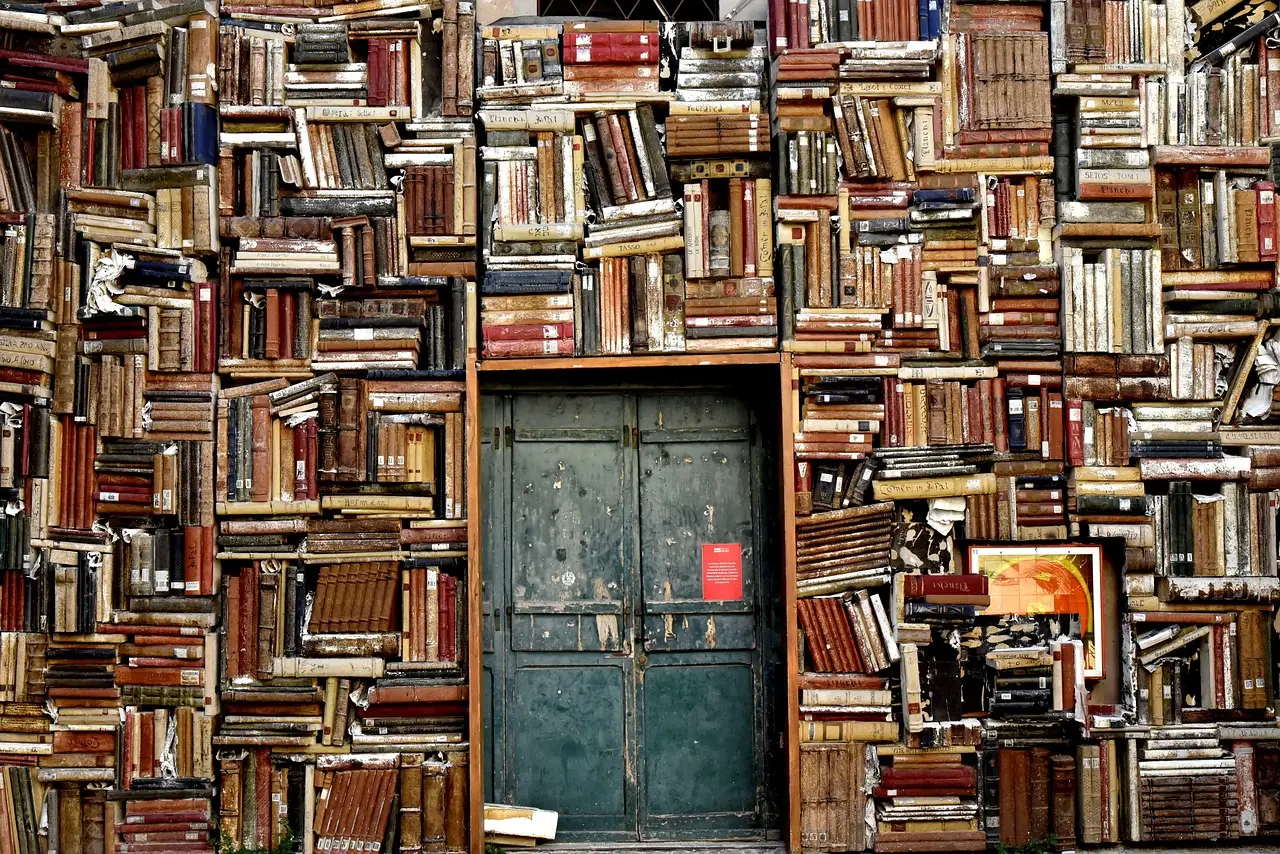
Before leaving Syria, Bekkar built a wall to conceal the entrance to his library. The space held books, photographs and personal documents. Its principal holdings included:
- Approximately 3,000 printed photographs of Raqqa.
- A much larger digital image collection documenting historical sites, cities and markets across Syria.
- Personal documents collected and preserved over many years.
The printed and digital bodies of work operate at different scales. The prints concentrate on Raqqa. The digital files extend across Syria. Together they form a photographic record shaped by personal collecting rather than an institutional survey.
That distinction matters in photographic terms. The reunited archive is not one tightly bounded series but an accumulating body of images and documents, preserving Syrian places through one photographer’s sustained attention.
His statement shifts emphasis from image-making to custodianship. Bekkar speaks of obtaining and preserving documents, not only taking photographs. The archive therefore records both his own photographic subjects and documents connected with people who are no longer living.
Bekkar said: “Every piece of paper has a history, every page holds a memory. I spent time and effort obtaining and preserving every document.”
The collection preserves Raqqa and other Syrian places through prints and digital files.
Why conceal a library behind a wall?
Bekkar’s precaution was architectural rather than symbolic. He did not merely store loose pictures for later retrieval. He built a barrier around a library.
He left for Türkiye more than a decade ago, seeking refuge amid widespread destruction, looting, attacks by the terrorist group ISIS (Daesh), and attacks by forces loyal to Syria’s now-toppled Assad regime. The departure meant separation from the city and its monuments, while the wall aimed to preserve the material traces he had gathered.
By concealing the entrance, Bekkar preserved the archive as a physical whole, linking private photographic memory to the wider civic record of Raqqa itself. The precaution gave the collection an ethical charge. Its value lies not only in old photographs, but in his decision to keep other people’s histories from vanishing.
Bekkar recalled growing up across from an old mosque in Raqqa. The surrounding historical buildings inspired his interest in photography and Syria’s cultural heritage. That local formation explains why the hidden library became a long responsibility rather than a convenient storage arrangement. He was protecting the visual context in which his own photographic attention had formed.
His account of the documents strengthens this custodial role. He describes their owners as people no longer with him, leaving him responsible for what remains.
The wall protected a record of Raqqa rooted in Bekkar’s own history.
What did exile add to his work?
During his decade in Türkiye, Bekkar continued making photographs. He spent productive years working in Istanbul and helped establish the House of Migrants association and the Turkish-Arab Art House.
The report does not describe the programmes of either organisation, nor does it itemise Bekkar’s duties. It establishes that he helped build both while continuing his own photographic work. Those details place his displacement within organised migrant and cultural activity.
Yet his own account sets a firm limit on what exile could change. He says nothing could replace his hometown in Syria. Working in Istanbul and helping create two organisations gave Bekkar new forms of participation, while his foundational relationship remained with Raqqa itself.
That distinction matters: productivity abroad coexisted with an inability to substitute Istanbul for the city he had documented. The institutions created abroad did not replace the home represented within his photographs.
Exile gave Bekkar new institutions, but Raqqa remained the centre of his photographic memory.
What changes after the library reopens?
Anadolu Agency’s account, dated 19 November 2026, states that Bekkar returned to Raqqa that year. He reopened the concealed library and watched bricks being removed from its protective wall, one by one. He describes the experience as emotional and says he had long dreamed of standing inside the archive again.
Bekkar explained: “I feel that those days are preserved in these papers, whose owners are no longer with us, but which have remained behind.”
Since returning, he has revisited historical sites he photographed years earlier and photographed them again. This renewed fieldwork gives the archive a second temporal dimension. It is no longer only a sealed record of the past. It now informs a continuing observation of places altered by years of conflict.
The report does not announce a catalogue, public exhibition or long-term conservation programme. That absence matters because paper and digital collections require deliberate care, yet Bekkar’s renewed work supplies a clear direction. His new photographs can extend the archive into a record of change, with earlier images providing points of comparison.
As Bekkar documents Raqqa again, long-term care and public access will determine whether this recovered archive becomes a lasting record for the city.
Key points
- Ahmed al-Bekkar, 66, reopened his concealed library in Raqqa in 2026.
- The recovered archive holds approximately 3,000 printed photographs of Raqqa.
- A much larger digital collection records historical sites, cities and markets across Syria.
- During more than a decade in Türkiye, Bekkar helped establish the House of Migrants association and the Turkish-Arab Art House.
- Since returning, Bekkar has revisited historical sites to document them again.
Original: aa.com.tr
Grace Kim
Show full bio
Senior reporter covering companies, deals and strategy in Photography exhibitions, photographers, photo books, festivals and awards at Lens Gazette.