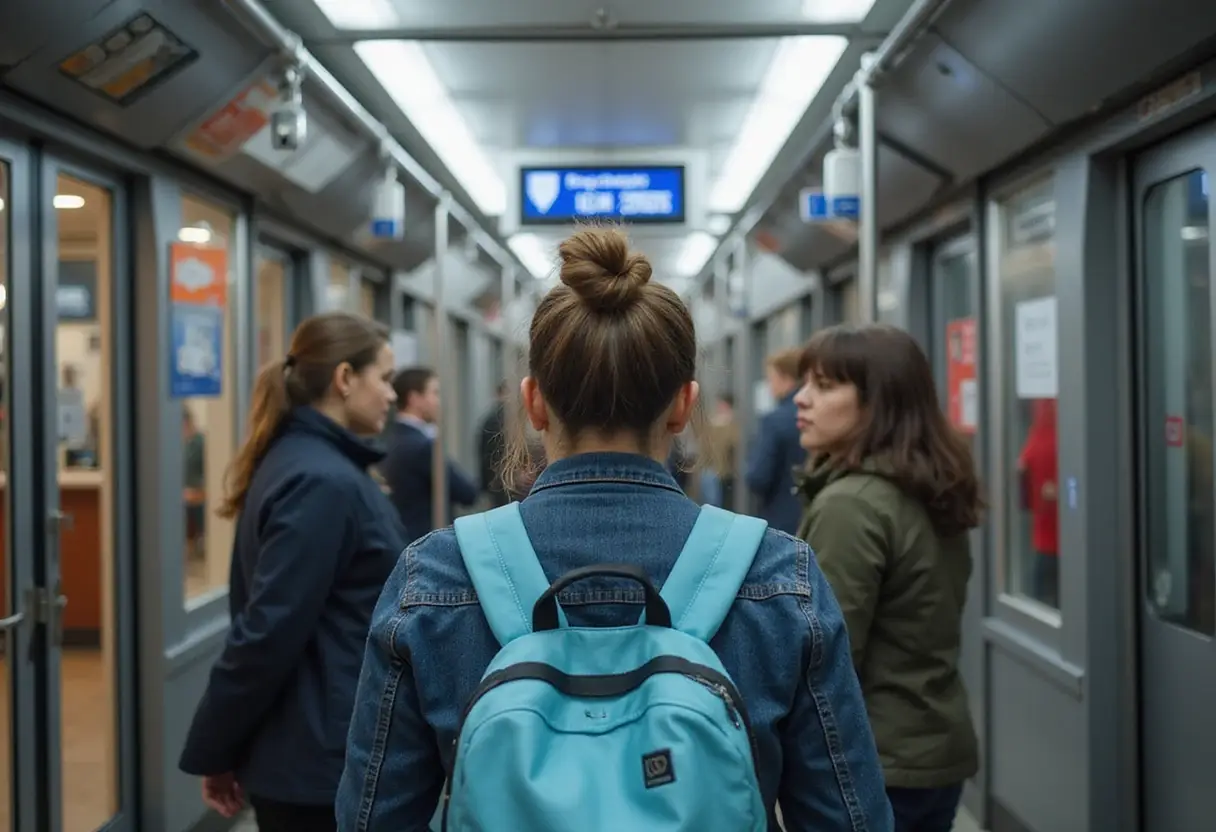
A Sea of Phones at Carnaby Street: London's Christmas Lights Ignite a Debate
BBC London footage of the Carnaby Street Christmas lights switch-on shows a crowd filming through phones, and research suggests the habit weakens memory of the event itself.
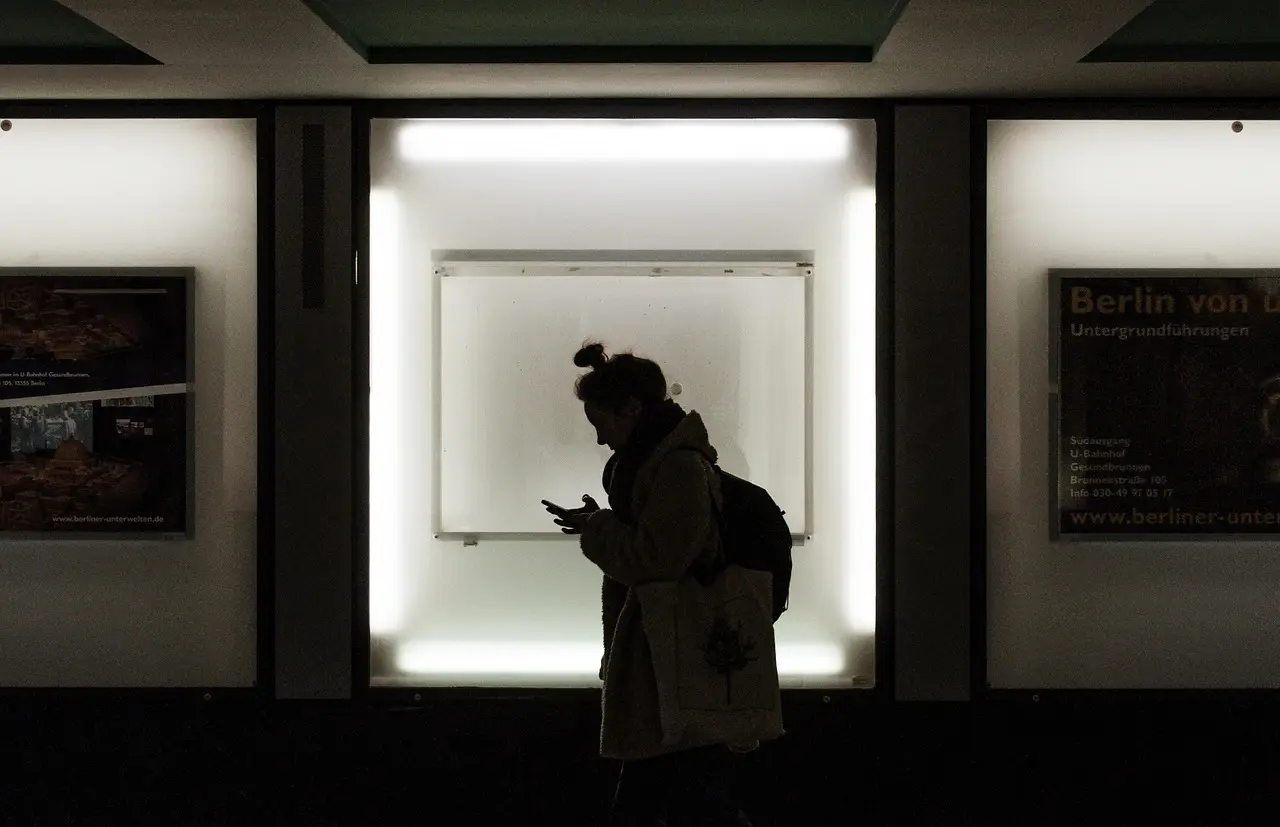
A single video from Central London has reignited a global argument about photography and memory. Footage shared by BBC London on November 4 shows the Carnaby Street Christmas lights switch-on, and nearly every person in the crowd holds a phone above their head, filming the moment rather than watching it directly.
The video triggered a wave of criticism online. Commenters called the crowd "robots" for watching a live event unfold through their small screens instead of experiencing it. Some compared the scene to an episode of the television series Black Mirror. Others noted the irony of viewers complaining about phone use while watching the clip on their own phones.
The strongest voices came from people who had changed their own habits. One commenter, Sufian Ahmed, wrote: "I've stopped filming most things like fireworks and concerts when I realized I haven't watched a single one of them back. It's so much about being in the moment. Experiencing it with the person you're next to. You lose all that when watching it through a narrow screen."
His comment captures the central tension. The phone preserves the event, but the person behind the screen experiences less of it.
What does the research say about photos and memory?
The debate is not new to psychology. Previous studies have found that taking a photo of an event affects human memory, and two findings in particular frame the Carnaby Street backlash.
- A 2018 psychological study suggested that shooting photos or videos gives people a false sense of having preserved a moment. In reality, the camera did the preserving, not the person.
- In a 2013 experiment, researchers split visitors to an art museum into two groups. One group toured without taking photos; the other was asked to take them. The photographers performed significantly worse at identifying items afterward. They also recalled fewer details about the objects they did remember.
The takeaway from both studies is simple. Offloading memory to a device appears to weaken the memory a person actually keeps.
Why is the backlash happening now?
Dr. Kaitlyn Regehr of University College London and the University of Toronto studies smartphone culture. She says the underlying behavior is old but the public reaction is not.
"This is not the first year that people have attended events and watched those events through screens," Regehr told the BBC. "But what's significant is that this year there's a lot of critical public discourse happening. And that, I think, is really, really positive."
Regehr offers a broader explanation for the hostility in the comments. She says the backlash could stem from "our discomfort with the amount of influence that big tech is playing on our lives."
In her reading, the crowd at Carnaby Street is not really the target. The phones are a visible symbol of something larger, and the anger lands on the nearest screen.
What changes for photography culture?
The Carnaby Street footage sits in a long lineage of anxiety about cameras in public life. Every generation of image technology, from compact cameras to smartphones, has raised the same question about whether documenting a moment replaces living it. What distinguishes this episode is the scale of the criticism and the fact that it comes largely from phone users themselves, a crowd that includes most photographers working today.
The commenters pointing out hypocrisy make a fair observation. The critics watched the event through a screen too, just one step removed. That circularity does not settle the argument. It shows how entangled photography has become with attention itself.
For working photographers, the moment is worth noting. The same crowds that film every switch-on and firework also form the audience for professional event photography, and the growing public fatigue with screen-mediated experience may shape what audiences value in images made with intention rather than reflex.
Regehr's own view points forward. She sees the critical discourse of this year as a positive development, and if that scrutiny continues to grow, the next wave of public conversation may move beyond name-calling toward a genuine reassessment of when, and why, anyone lifts a phone at a public event.
Key points
- BBC London shared the Carnaby Street Christmas lights video on November 4.
- A 2018 study found photographing events creates a false sense of having preserved the moment.
- In a 2013 museum experiment, photo-takers identified significantly fewer objects and recalled fewer details.
- Dr. Kaitlyn Regehr of UCL and the University of Toronto says public criticism of screen-watching is new this year.
Original: bbc.co.uk
Grace Kim
Show full bio
Senior reporter covering companies, deals and strategy in Photography exhibitions, photographers, photo books, festivals and awards at Lens Gazette.