Latinx Artists Named the New Visionaries as Marquee Week Turns Turbulent
Arlene Dávila calls Latinx artists the new visionaries as heirs demand Sotheby's withdraw a $180 million Van Gogh and the Whitney sells a de Kooning at Christie's.
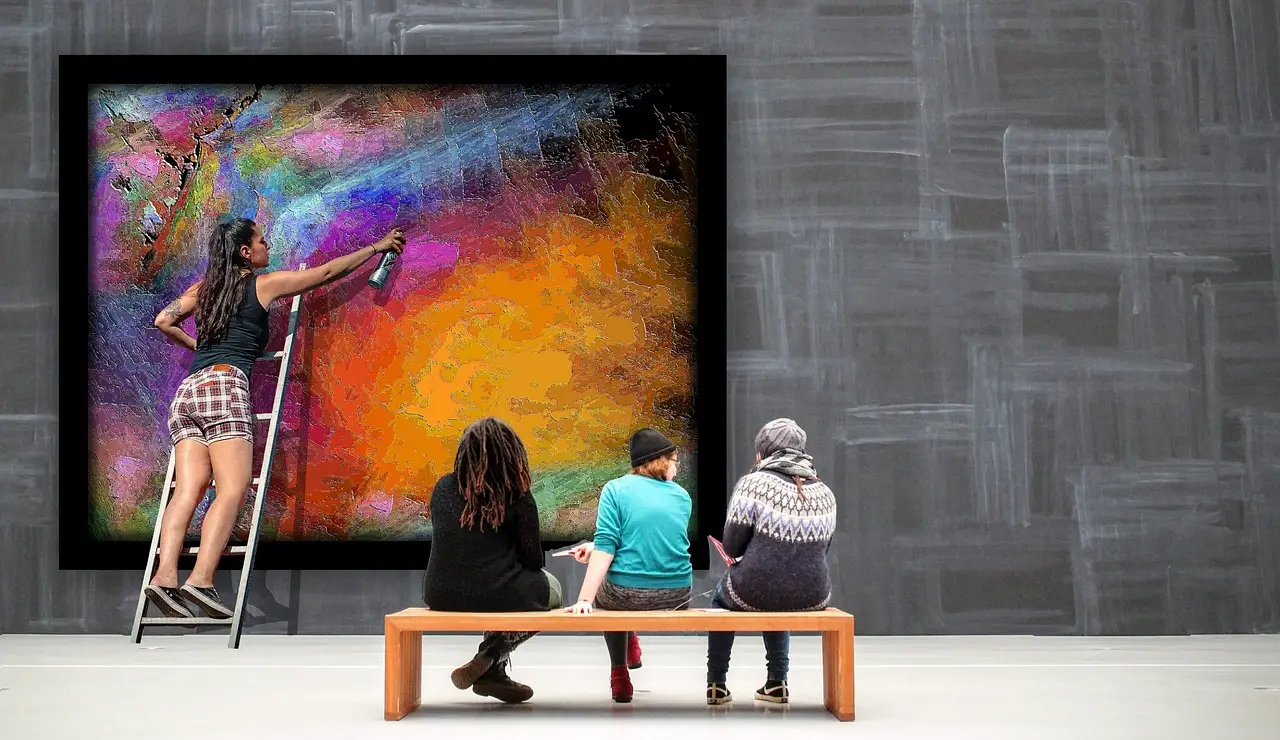
Scholar Arlene Dávila has declared Latinx artists "the new visionaries" of American culture, arguing in a published opinion piece that a generation under political pressure is producing its most confident work. Her essay lands the same week that heirs of the Jewish publisher Samuel Fischer demanded Sotheby's withdraw a Van Gogh valued at $180 million, alleging the painting was sold under duress during World War II. Together, the two stories frame an art world where institutional power and community-driven practice are moving in opposite directions.
Dávila's argument is blunt. "The work of these new visionaries is a rallying cry," she writes. "Now is the time to write, create, and make art boldly — together." She notes that Latinx communities face one of the most aggressive series of attacks in recent history, including family separation, persecution and dehumanization. Yet artists are stepping into newfound confidence, drawing on vernacular traditions, community histories and family memories to reframe the narrative rather than retreat from it. For practitioners, the claim matters: it positions Latinx work not as a response to hostility but as an aesthetic project with its own momentum.
What pressure is building on nonprofits?
Arts and culture organizations are bracing for politically targeted attacks after reports that the White House is considering an executive order stripping nonprofits with alleged "terrorist ties" of their tax-exempt status. The order, if signed, would give the administration a direct lever over museums, magazines and artist-run spaces that depend on exempt status to survive. Editors at Hyperallergic, which published Dávila's piece, call the prospective order "draconian."
What is shaking up Marquee Week in New York?
Two auction stories dominate. Heirs of Samuel Fischer's publishing family want Sotheby's to pull a rare Van Gogh from its marquee sales this week, claiming the work changed hands under duress amid Nazi persecution in Europe. Sotheby's valuation sits at $180 million, a figure that raises the stakes of any restitution fight conducted in public.
Across town, the Whitney Museum of American Art is selling a Willem de Kooning painting to Christie's for its 20th-century evening sale — a canvas that entered the Whitney's collection only a few years ago. A museum deaccessioning recent work into a flagship commercial sale invites questions about collection strategy at a moment when institutions claim tight budgets.
What are critics saying this week?
- Novelist Stephanie Wambugu reviews Mary Lovelace O'Neal's first posthumous exhibition, finding Requiem a fitting self-elegy "precisely because nothing about it feels mournful."
- Jasmine Amussen reads Martin Puryear's exhibition at the High Museum as an argument about liberation and revolution, calling the sculptures quietly radical.
- Natalie Weis is skeptical of the Tate's Julio Le Parc show, which she says elides the artist's political motivations and instead encourages visitors to "let these mesmerizing works engage your senses" — art flattened into Instagram fodder.
- Eileen G'Sell reviews a new documentary that asks what Frida Kahlo means today, praising its refusal to whitewash the artist's personal history while interrogating her commodification.
- From the archive, Hall Rockefeller revisits Remedios Varo at the Art Institute of Chicago, where curator Caitlin Haskell describes "a sense of geographic travel, but also a sense of traveling down material pathways that no one has ever looked at before."
What else is opening?
"Mighty Miniatures" opens November 21 at the National Museum of the American Indian in New York, gathering more than 300 tiny artworks from Indigenous communities across the Western Hemisphere, made over nearly two centuries. In Abu Dhabi, "All Manner of Experiments: Legacies of the Baghdad Modern Art Group," curated by Nada Shabout, runs at the NYU Abu Dhabi Art Gallery through January 3, 2027, treating the exhibition as a living archive of the 1950s Iraqi modernists.
Elsewhere, philosopher Alice Crary argues in Public Seminar that recent overhauls at the New School threaten its academic freedom, while online backlash to Netflix's The Body suggests satanic panic has returned. As the prospective executive order moves toward signature, the sector Dávila champions — and the institutions that exhibit it — will learn how much of this confidence the tax code can withstand.
Key points
- Heirs of publisher Samuel Fischer want Sotheby's to withdraw a Van Gogh valued at $180 million over a wartime duress claim.
- The Whitney is selling a de Kooning painting, acquired only a few years ago, at Christie's 20th-century evening sale.
- "Mighty Miniatures" opens November 21 at the National Museum of the American Indian with over 300 works spanning nearly two centuries.
- Nada Shabout's Baghdad Modern Art Group exhibition runs at NYU Abu Dhabi through January 3, 2027.
- A prospective Trump executive order could strip nonprofits with alleged "terrorist ties" of tax-exempt status.
Source: hyperallergic.com
James Calloway
Show full bio
Market editor covering people, launches and day-to-day practice in Photography exhibitions, photographers, photo books, festivals and awards at Lens Gazette.