A Mississippi Museum Is Asking Visitors to Name the Unnamed in Civil Rights Contact Sheets
Jackson's Smith Robertson Museum has published 51 unpublished Civil Rights-era contact sheets and asks visitors to identify the unnamed — with a free print for every family.
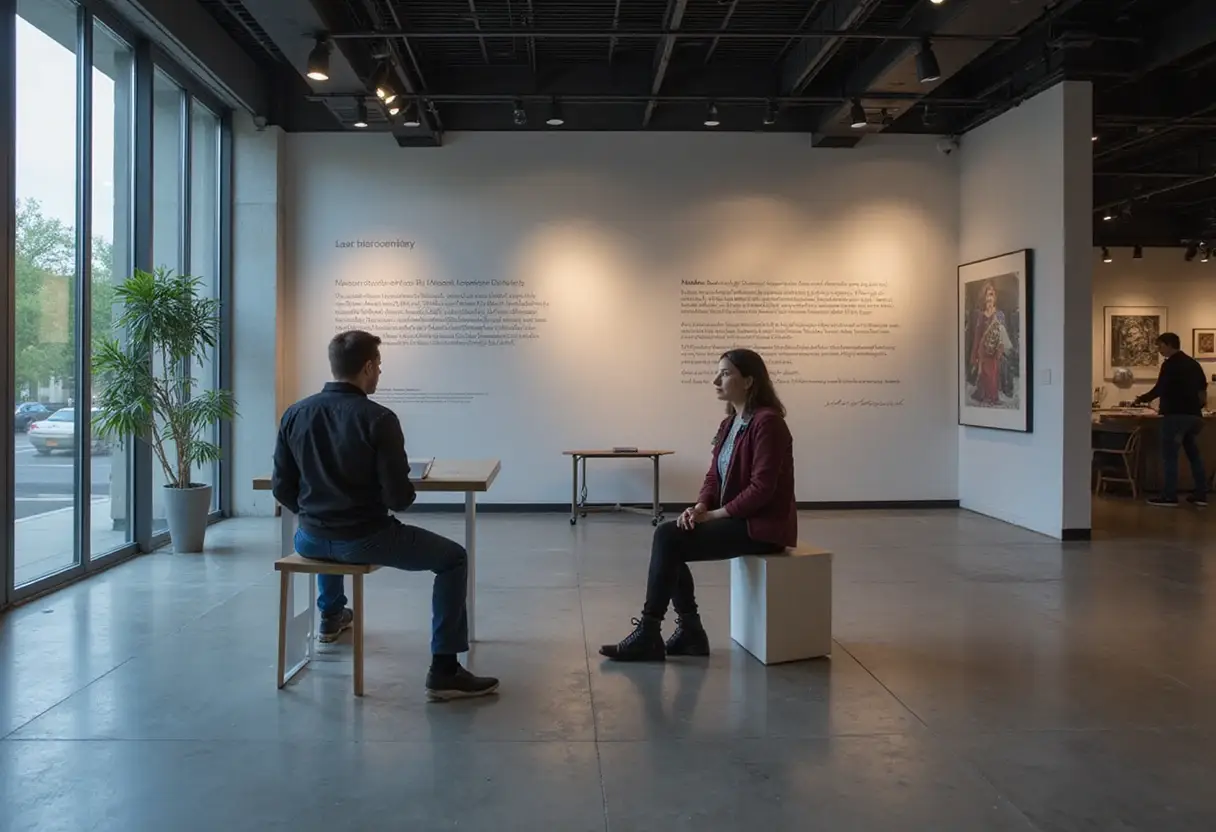
The Smith Robertson Museum in Jackson, Mississippi, has published 51 contact sheets shot by press photographers who covered the Civil Rights Movement in the state — and it is asking visitors to identify the unnamed people in them. The exhibition, titled "Proof Positive," runs until December 31, 2026.
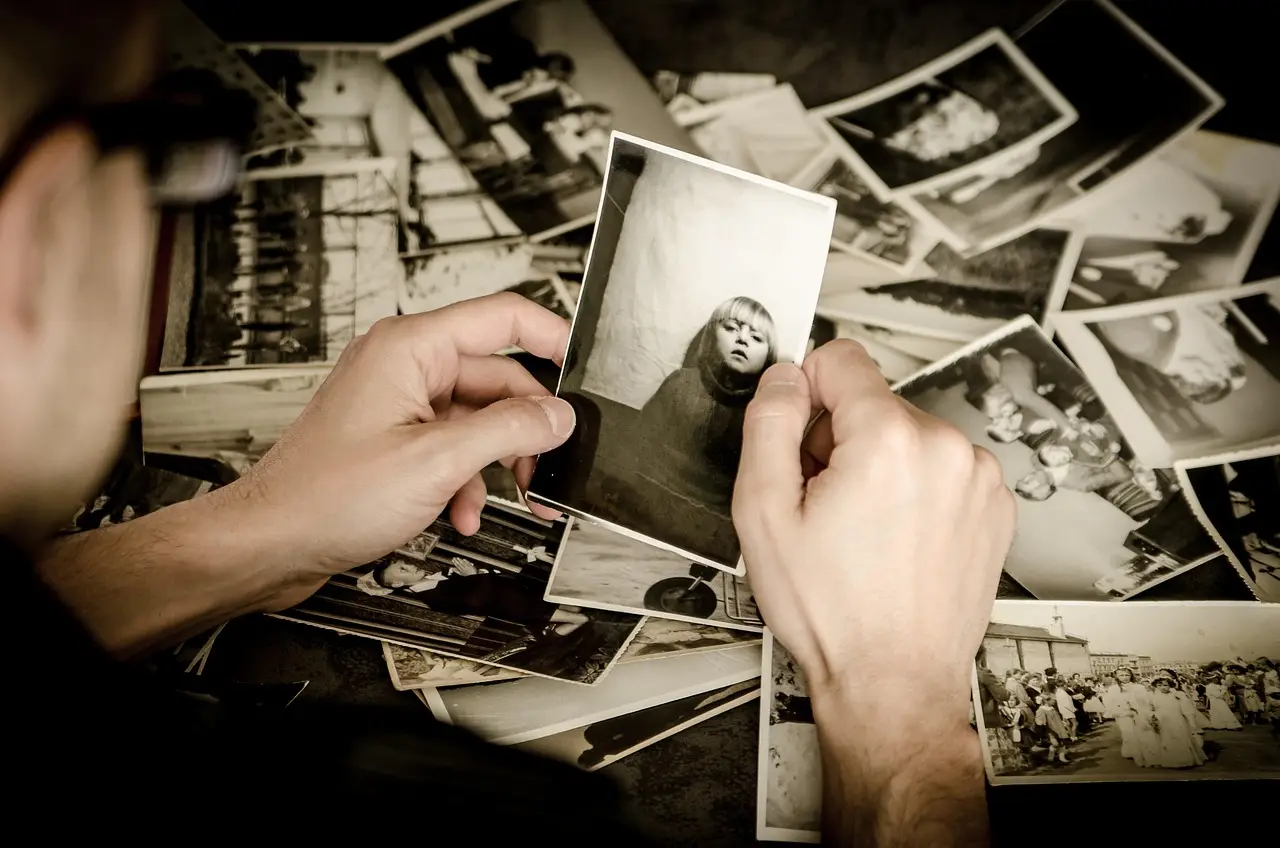
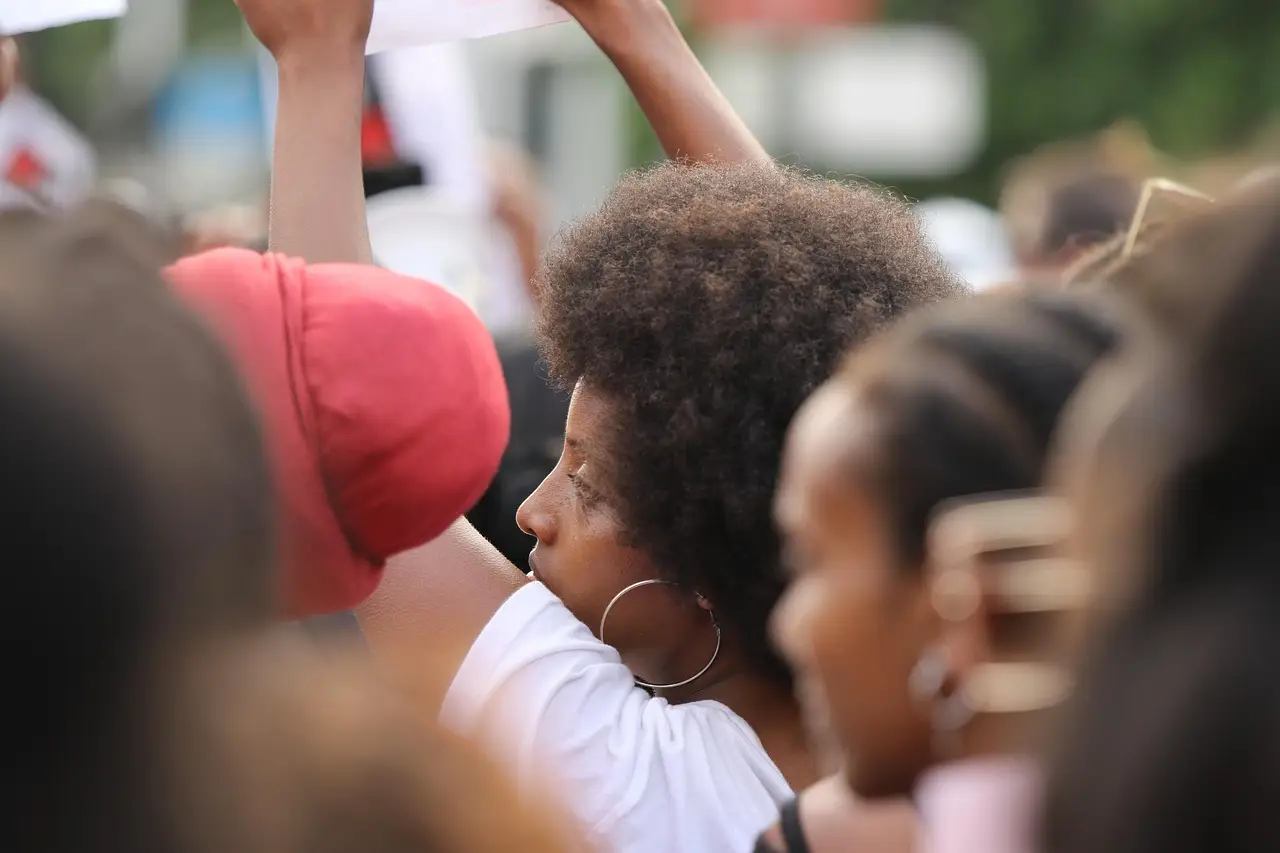
The premise is simple and largely untested in institutional practice. When a press photographer covers a news event, they routinely shoot hundreds of frames; only a handful, sometimes a single image, reach publication. At rallies and protests, photographers captured the faces of scores of people who never learned that their presence at a historic event had been documented. Those frames sat unpublished, their subjects anonymous, for decades.
What does the museum want visitors to do?
WLBT3 reports that visitors to "Proof Positive" are invited to examine the contact sheets closely and study the faces to see if they recognize anyone. The museum is treating the gallery as a working identification room rather than a display case.
Museum manager Theresa King told WLBT3: "For me to know my story, I share it with my nieces, nephews, cousins, friends, anybody who comes in here, but many people don't know their story."
She described how identification might work in practice: "You could have been standing at a mass meeting or protest and the person next to you was the person who was featured, but you see your hand or hear your grandparents tell stories." In other words, the memories of participants and their descendants — a partial hand in a frame, a story told at a kitchen table — are the museum's primary research instrument.
There is a material incentive as well. If a visitor recognizes someone in the unpublished photographs and the person is identified, the museum will send a free print to the family as a gift.
Why Jackson?
The museum's location carries the weight of the history on its walls. Jackson was a highly contested center of the Civil Rights Movement. In 1961, the "Tougaloo Nine" entered the Jackson Municipal Library in order to read there. Under Jim Crow laws, Black citizens were barred from the library, which was better funded and better stocked than the one library Black residents of Jackson were permitted to use. Library staff called the police, who arrested all nine.
Later that same year, more than 300 Freedom Riders arrived by bus in Jackson to enter the segregated terminal space. Police arrested them on arrival, and the detainees eventually overwhelmed the Jackson prison system.
Press photographers covered these events, but not everyone's name and face were recorded for posterity. The contact sheets now on display sit at the intersection of that coverage and its gaps — the evidence of what happened, minus the ledger of who was there.
What is at stake for the archive?
For photographers and archivists, the project reframes the contact sheet from production residue into a civic document. The frame that an editor cut in 1961 may be the only surviving image of a person whose contribution went uncredited. "These are the shoulders that we all stand on," King said. "And we might not know their faces, but just to see them."
The identification window stays open through the end of December 2026, giving families, veterans of the movement and Jackson residents two full years to walk the sheets and close the record where they can.
Key points
- The Smith Robertson Museum in Jackson, Mississippi, has published 51 contact sheets from Civil Rights Movement press coverage.
- The exhibition "Proof Positive" runs until December 31, 2026.
- Families of identified people receive a free print from the museum.
- In 1961, the Tougaloo Nine were arrested at the Jackson Municipal Library; more than 300 Freedom Riders were arrested in Jackson the same year.
Original: wlbt.com
James Calloway
Show full bio
Market editor covering people, launches and day-to-day practice in Photography exhibitions, photographers, photo books, festivals and awards at Lens Gazette.