'You Have to Dance Like Everybody Else!': Burkina Faso in Full Colour
The Guardian publishes a full-colour picture essay on Burkina Faso, titled with an overheard street instruction: "You have to dance like everybody else!"
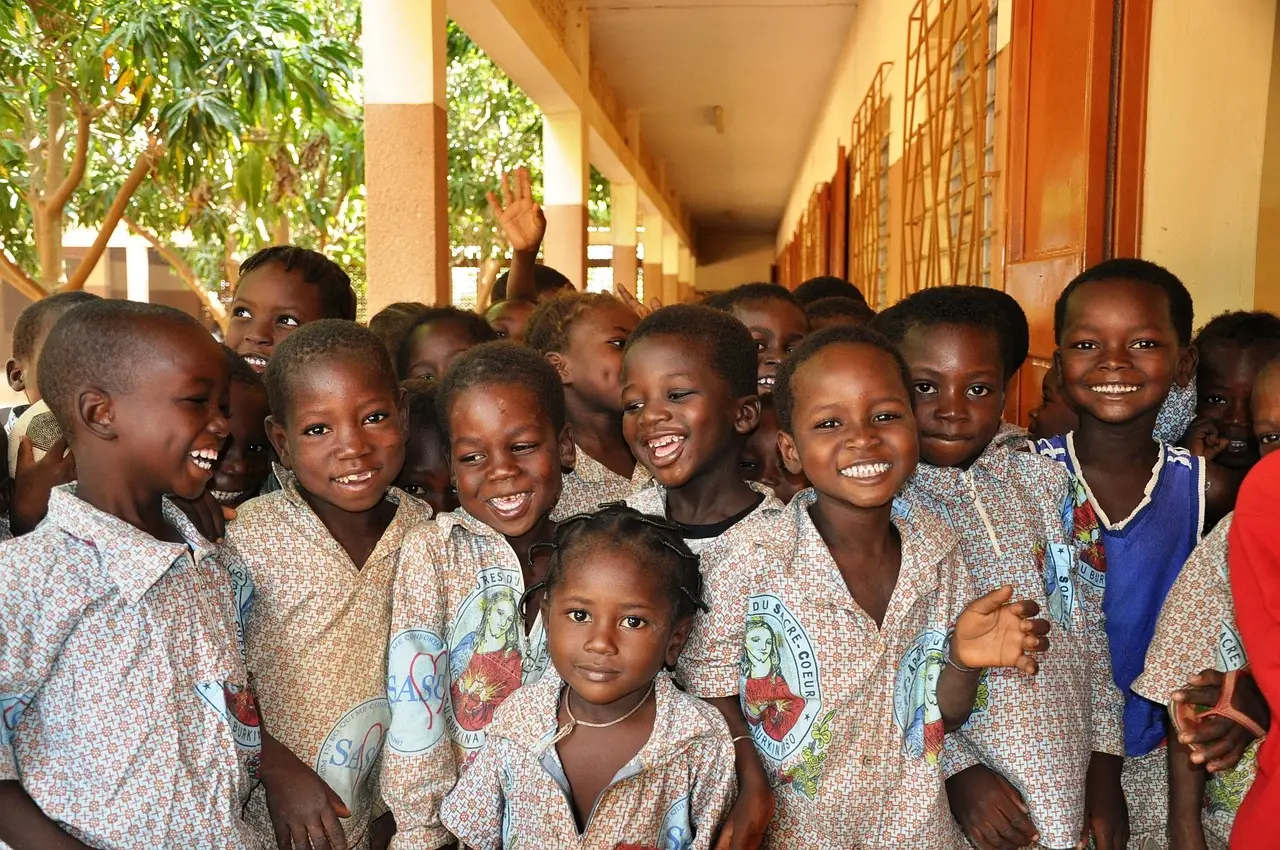
The Guardian has published a colour picture essay on Burkina Faso under the shout of a street phrase: "You have to dance like everybody else!" The gallery format is the paper's most direct photographic statement. It strips away commentary and lets images carry the argument. Here, the argument is a country rendered in full colour, not in the crisis tones that usually frame West Africa in the press.
The title itself does real work. "You have to dance like everybody else!" reads as an instruction, a joke, and a social rule at once. It sets the register for what follows: movement, assembly, performance, and the ordinary insistence on celebration. The exclamation mark is doing editorial labour. It tells the reader before a single image loads that this is not a survey of damage.
What does a colour essay change?
Colour is the choice worth examining. News photography from the Sahel arrives overwhelmingly in two modes. The first is conflict reportage, all dust and dusk. The second is development-sector imagery, flat light and folded arms. A full-colour gallery on Burkina Faso refuses both defaults.
The phrase "in full colour" signals saturation and presence. It promises street life at its most visual: fabric, paint, music, gesture. It also implies completeness — a country shown whole, at dance, in daylight. Takeaway: the colour choice is the curatorial position, and the title announces it.
Why the gallery form matters
A picture gallery has rules of its own. Each image must stand alone. Each must also answer to the sequence. The Guardian's galleries typically run a dozen or more frames, each carrying a short caption that names place and circumstance. The form suits photography that behaves like testimony rather than illustration.
The exclamatory title functions as an overheard line, not an authorial summary. It places the viewer on the street, where someone is being told to join in. That is a precise editorial gesture. It converts the reader from observer into participant before the first photograph appears. Takeaway: the sequence, not any single frame, is the unit of meaning.
Where does this sit in photographic context?
Burkina Faso has a photographic lineage worth naming, anchored by the late Sanlé Sory, whose studio portraits from Bobo-Dioulasso in the 1960s and 1970s gave the country a vivid black-and-white visual archive. Contemporary colour work on the region extends that tradition of dignity through framing. A Guardian gallery joins an institutional conversation about who photographs Africa, and in what register.
The refusal of miserabilism is the through-line. Colour, dance, and direct address replace the humanitarian gaze. That said, a picture essay can only gesture at depth. It shows surfaces, brilliantly, and leaves context to captions. Takeaway: the gallery continues a shift from crisis framing toward vernacular joy as a documentary subject.
The Guardian's picture desks have run these country-focused galleries for years, and they remain a reliable barometer of which places and moods the mainstream photographic press is willing to platform. If this essay finds its audience, expect more colour-led commissions on the Sahel that lead with rhythm rather than emergency.
Key points
- The Guardian has published a colour picture gallery titled "You have to dance like everybody else!"
- The essay presents Burkina Faso in full colour, focused on dance and street life
- The title quotes an overheard instruction, setting the gallery's participatory tone
Source: Google News: photography exhibition
Grace Kim
Show full bio
Senior reporter covering companies, deals and strategy in Photography exhibitions, photographers, photo books, festivals and awards at Lens Gazette.