Venice Biennale Hands Its Lions to Tourists After Jury Mass Resignation
Venice's new tourist-voted Lions follow a mass jury resignation and artist withdrawals; three strikes in seven months and 113 striking ports have reshaped the fight over the Biennale.
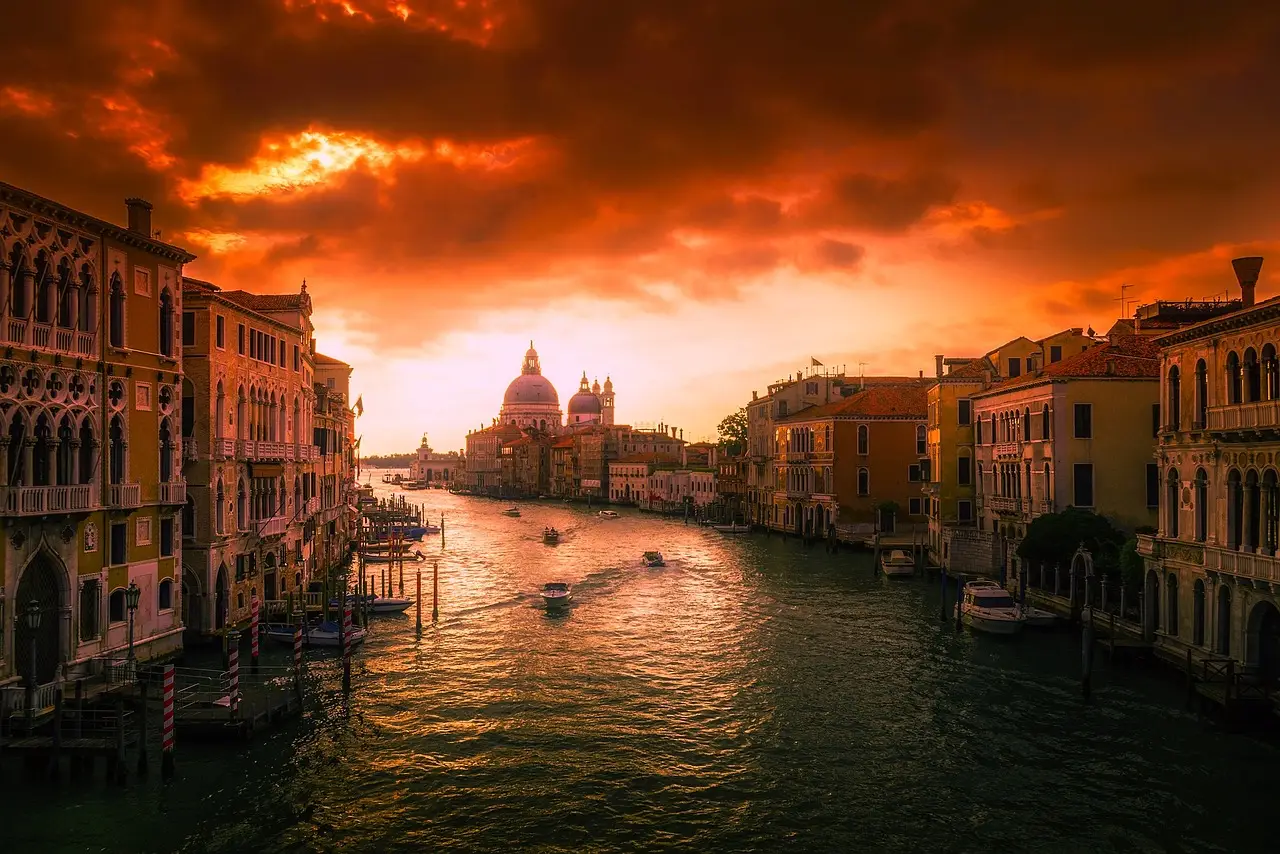
This Sunday, the Venice Biennale will hand out its new "Visitors' Lions" — awards decided not by a jury but by ticket-holders casting votes. The professional jury that should have judged them resigned en masse in April. Whatever the tourists decide, a large part of the art world has already decided the results are void.
The road here was short and instructive. The Art Not Genocide Alliance (ANGA) had spent nearly three years campaigning to exclude the Israel pavilion from the Biennale. When the jury publicly stated it would omit Israel and Russia from consideration for the Golden Lions, representatives of Italy's Ministry of Culture came calling. The contents of that meeting are not public. The jury's unanimous resignation, shortly after, tells its own story. The Venice Biennale Foundation then scrapped the Golden Lions altogether and invited the public to vote instead.
Antonia Majaca observed the mechanism precisely: the jury dared to apply a criterion, and the Biennale responded by dissolving judgment itself.
Who wants a poisoned chalice?
Israeli Foreign Minister Gideon Sa'ar — whom human rights groups, including the Hind Rajab Foundation, accuse of orchestrating the siege of Kamal Adwan Hospital and the imprisonment and torture of its director, Dr. Hussam Abu Safiya, in 2024 — welcomed the outcome: "Our exclusion has been thwarted, and the choice now passes to the general public."
Artists have been less jubilant. On the day the 2026 Biennale opened, 54 artists in the international exhibition and 22 national pavilion teams withdrew from award consideration in solidarity with the jury. In June, more than a hundred artists threatened legal action unless their names were removed from the ballot. Sunday's ceremony will award a prize that few want to win.
Three strikes in seven months
The protests themselves broke institutional records. Biennale artists and cultural workers struck three times in seven months — a scale not seen even during the anti-capitalist protests of 1968, which shut down the Biennale's prizes for 18 years.
The details are worth keeping:
- May 8: A locally built strike in Venice with Biennalocene, Sale Docks and other grassroots unions. Thirty of the Biennale's 100 national pavilions closed partially or fully; thousands marched from Via Garibaldi to the Arsenale, where they were met with police brutality. The Belgian Pavilion closed entirely.
- June 12: A nationwide Italian strike, the fruit of a year of organizing assemblies and actions in about 20 cities, involving Mi Riconosci?, Vogliamo Tutt'Altro, Biennalocene and grassroots unions through the Cultural Strike platform.
- October 30: A strike answering a call from the World Federation of Trade Unions, taken up in Italy by militant dockworkers including the Autonomous Collective of Port Workers and the Unione Sindacale di Base. Port unions at 113 ports in 22 countries — Italy, France, Greece, Turkey, Morocco among them — refused to load weapons bound for Israel, the biggest coordinated action of its kind.
Today, November 20, the International Student Strike brought further action to Venice, underlining the overlap between students and precariously employed cultural workers.
Prestige is not a paycheck
ANGA's organizing began in early 2024 under PACBI and BDS guidelines, when an open letter demanding Israel's exclusion gathered more than 24,000 cultural-worker signatures. That year, the Israel pavilion closed.
Between 2024 and 2026 the campaign also sharpened a labor argument. The Biennale pays no fees or production money to artists, leaving them to fundraise their own participation; those whose work isn't market-friendly enough to recoup costs are paid, as the piece puts it, "in the false currency of prestige." The political atomization of artists, ANGA argues, is a labor issue — precarity shifts the risk of political action onto individuals.
The Visitors' Lions are the Biennale's wager that the walls can be painted pure white again. ANGA counters that it is now more organized than three years ago, connected to students and dockworkers, and intent on remaking the Biennale from Walter Benjamin's "place of pilgrimage to the commodity fetish" into a site of struggle.
Key points
- The Venice Biennale's expert jury resigned en masse in April after signaling it would exclude Israel and Russia from Golden Lion consideration.
- 54 artists and 22 national pavilion teams withdrew from award consideration; over 100 artists later threatened legal action over the ballot.
- Cultural workers struck three times in seven months; the May 8 strike closed 30 of 100 national pavilions.
- On October 30, port unions at 113 ports in 22 countries refused to load weapons bound for Israel.
- ANGA's 2024 open letter demanding Israel's exclusion gathered more than 24,000 signatures.
Source: hyperallergic.com
Olivia Hart
Show full bio
Staff writer covering people, launches and day-to-day practice in Photography exhibitions, photographers, photo books, festivals and awards at Lens Gazette.