Unseen Vivienne Westwood Photographs Surface, Framing the Designer as a 'Born Protester'
Previously unseen photographs of Vivienne Westwood have surfaced, framing the late designer who died in 2022 as a "born protester" whose dissent ran through her entire career.
Updated
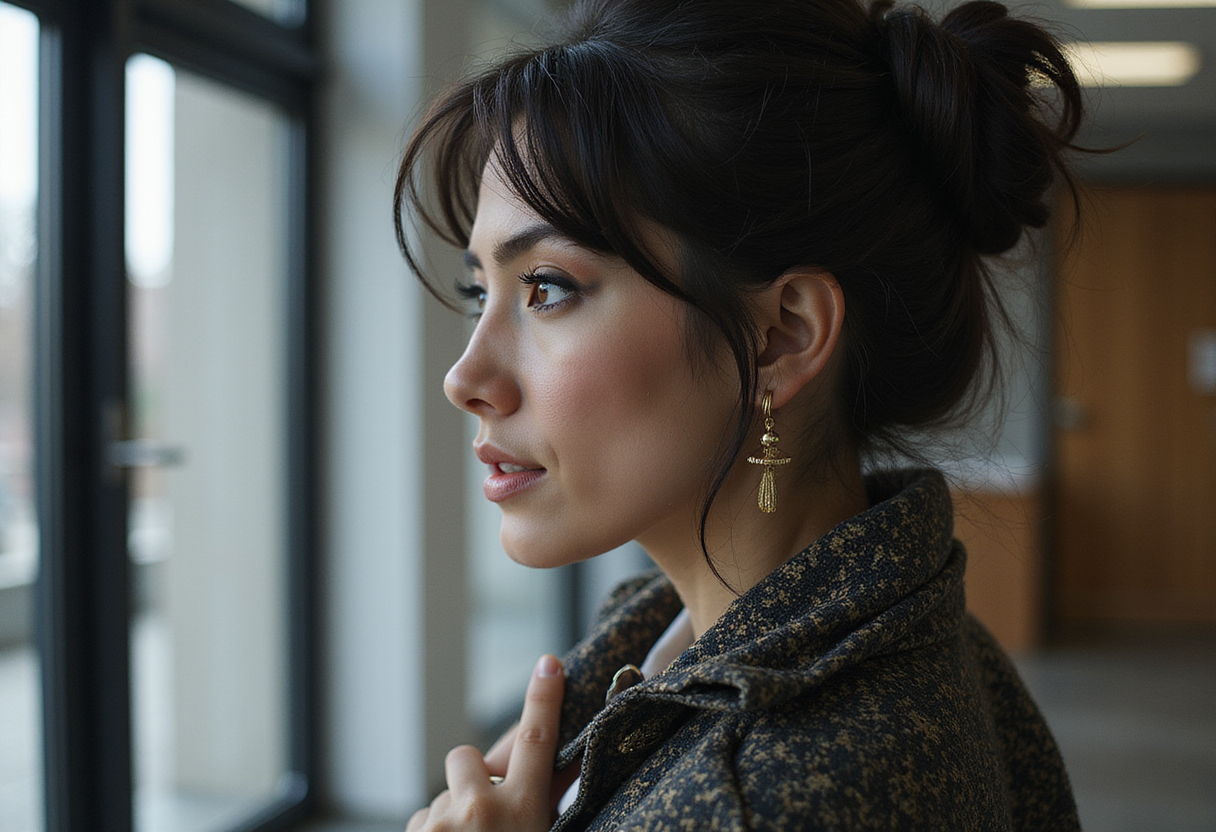
A cache of previously unseen photographs of Vivienne Westwood has come to light, and the framing is pointed: the pictures present the late designer as, in the words accompanying the release, a "born protester."
The phrase does the curatorial work here. Westwood, who died in December 2022 at 81, built a career on collision — punk's ripped iconography in the 1970s, then decades of climate activism staged with the theatricality she once reserved for the runway. Any set of images claiming to reveal an unseen side of her must contend with a public figure who spent fifty years performing dissent as second nature.
What do the photographs actually show?
According to the report, the images have not been published before. That alone gives them archival weight. Westwood was among the most photographed figures in British culture — by fashion photographers, press agencies and art documentarians alike — so any genuinely new material alters the record, however slightly.
The report's central claim is interpretive rather than technical. The photographers or custodians behind the archive describe her as someone for whom protest was not an adopted position but a constitutional one — a temperament visible, they suggest, in the frames themselves.
Why does the 'born protester' label matter?
Westwood's activism ran in parallel with her design output for most of her public life. In her later decades she campaigned on climate change, civil liberties and nuclear disarmament, sometimes from inside the establishments she challenged. The unevaluated question any such archive raises is whether the camera caught the private engine of that public stance — the person before the cause — or simply another staging of it.
Westwood understood image-making better than almost any designer of her generation. From the SEX boutique on King's Road to the courtroom steps, she treated the lens as a distribution system for ideas. Unseen photographs of her therefore arrive with a built-in tension: the subject spent her life composing herself for the camera, and the photographer's task was to catch the composition slipping.
How does this fit the wider reassessment of Westwood?
Since her death, institutions and archives have been sorting through her legacy — the clothes, the manifestos, the demonstrations, the contradictions. Photographic archives occupy a particular place in that process because they sit between fashion imaging and documentary record. A picture of Westwood at a protest is simultaneously evidence of a political life and an artifact of a visual culture she helped invent.
The "born protester" reading pushes the emphasis toward continuity: not Westwood the punk who later became an activist, but a single temperament expressing itself through whatever medium the decade supplied — clothing, placards, or the camera itself.
Whether the newly published images sustain that reading is a question the photographs will have to answer on their own terms. The report offers the interpretation; viewers will bring the context.
What comes next?
The publication of unseen Westwood photographs signals that the archival sifting of her estate and image legacy is underway in earnest, and further releases — of pictures, garments and documents — can be expected as curators and custodians continue to shape how the designer's fifty-year career of confrontation is understood.
Key points
- A set of previously unpublished photographs of Vivienne Westwood has been revealed
- The images are framed around the description of Westwood as a "born protester"
- Westwood died in December 2022 at the age of 81
- Her public career of design and protest spanned roughly fifty years
Source: Google News: photography exhibition
Daniel Okafor
Show full bio
News editor covering consumer brands and retail at Lens Gazette.