The Times Calls 'Light & Magic' Hauntingly Beautiful
The Times reviews "Light & Magic: The Birth of Art Photography" and delivers a four-word verdict: "hauntingly beautiful." What the judgment signals about the show.
Updated
The Times has published its review of "Light & Magic: The Birth of Art Photography," and its verdict is blunt: the show is "hauntingly beautiful." That is the strongest fact in this story. A national critic has put a clear adjective on an exhibition about how photography earned its place among the arts.
The subject alone explains why the judgment matters. The exhibition traces the birth of art photography. That phrase carries a specific history. Photography spent its first decades fighting for recognition as more than a mechanical record. Critics, academies and collectors asked whether a machine could make art. The photographers of that era answered with prints designed to look like paintings — soft focus, staged scenes, long exposures and heavy handwork on the negative and the print.
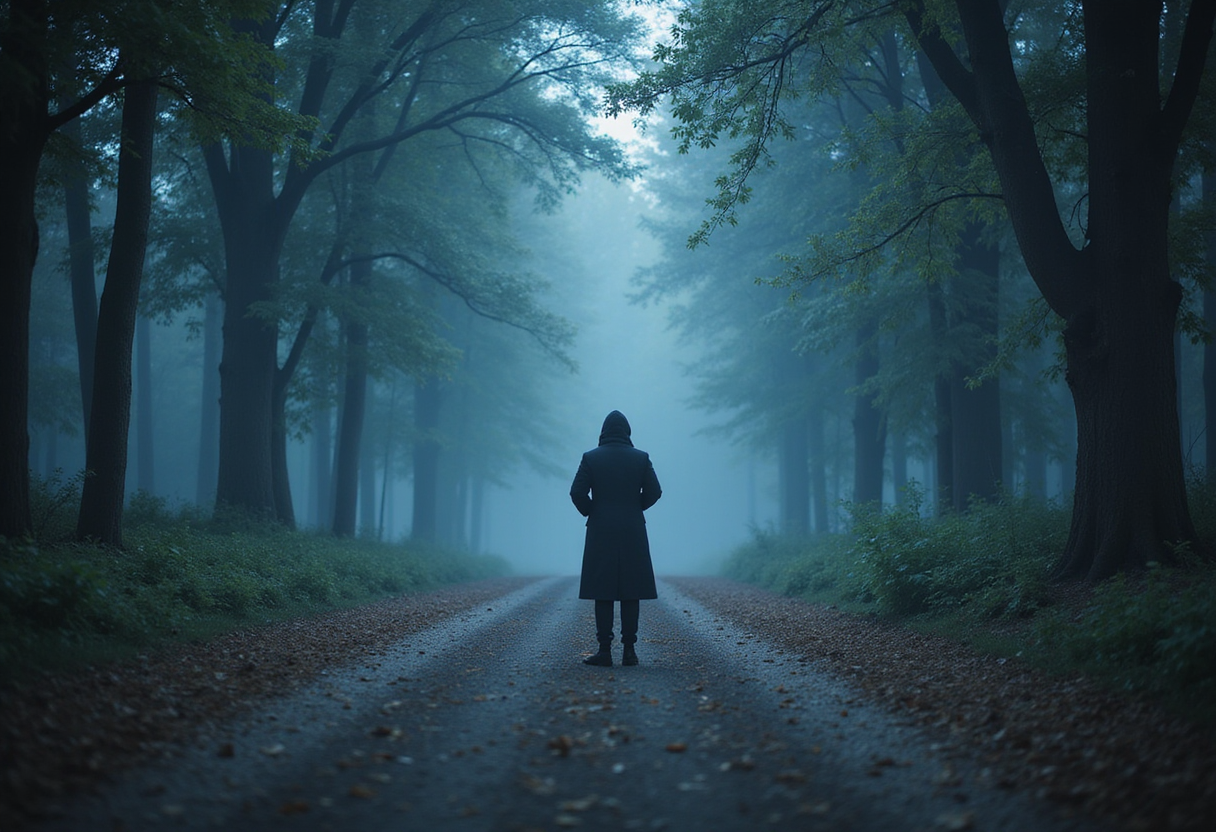
The Times review, as its headline states, settles on beauty as the show's defining register. The word "hauntingly" does particular work. It suggests images that linger. It points to the melancholy that runs through much early art photography: fading faces, empty streets, draped figures, landscapes that read as moods rather than places. The review's framing implies the exhibition delivers that atmosphere rather than merely documenting it.
What can a single verdict tell us?
A four-word headline is thin evidence. But it is not empty. Reviews in national papers compress a critic's full judgment into one signal word. "Hauntingly beautiful" is a favorable signal. It tells prospective visitors the show works on the eye and the memory at once.
It also tells us something about the curatorial bet. An exhibition about the birth of art photography could organize itself around argument — dates, manifestos, institutions, the fight for museum walls. The review's language suggests the show leads with the pictures instead. The takeaway: the images carry the case, and the critic followed them.
Why the birth of art photography still draws crowds
This period remains a reliable draw for institutions. Early art photography sits at a comfortable distance. The prints are rare, the processes are extinct in practice, and the aesthetic is unfashionable enough to feel fresh again. Museums can present pictorialist-era work as both history and pleasure.
There is also a contemporary hook. Photography is once again fighting over its status, this time against machine-generated images. A show about the last moment when photography had to prove it was art reads differently in that climate. The takeaway: the birth of art photography is not a settled story; each generation re-litigates it with new technology in the room.
What the review does not settle
The headline gives no venue, no dates and no checklist. Readers cannot yet judge scope, curatorship or which photographers anchor the walls. The verdict covers tone, not structure. A four-word judgment cannot say whether the exhibition argues its thesis or simply bathes in it.
That gap is where the serious questions live. Does the show explain how photography won its institutional standing, or does it assume the victory and curate the spoils? The review's praise for beauty leaves that question open on purpose or by compression.
The Times has given the exhibition a strong public endorsement. What follows is the fuller review text, the visitor numbers, and the institutional reception — the evidence that will show whether "hauntingly beautiful" becomes the phrase this exhibition is remembered by.
Key points
- The Times has reviewed "Light & Magic: The Birth of Art Photography."
- The review's headline verdict on the exhibition is "hauntingly beautiful."
- The exhibition covers the birth of art photography as its subject.
- No venue, dates or photographer list appear in the review headline.
Source: Google News: photography exhibition
Grace Kim
Show full bio
Senior reporter covering companies, deals and strategy in Photography exhibitions, photographers, photo books, festivals and awards at Lens Gazette.