World Press Photo's Climate Stories Land in Alexandria
Photopia's "Down to Earth" brings 21 award-winning World Press Photo projects on climate change to Alexandria's Institut français, bridging crisis and resilience through image-led storytelling.
Updated
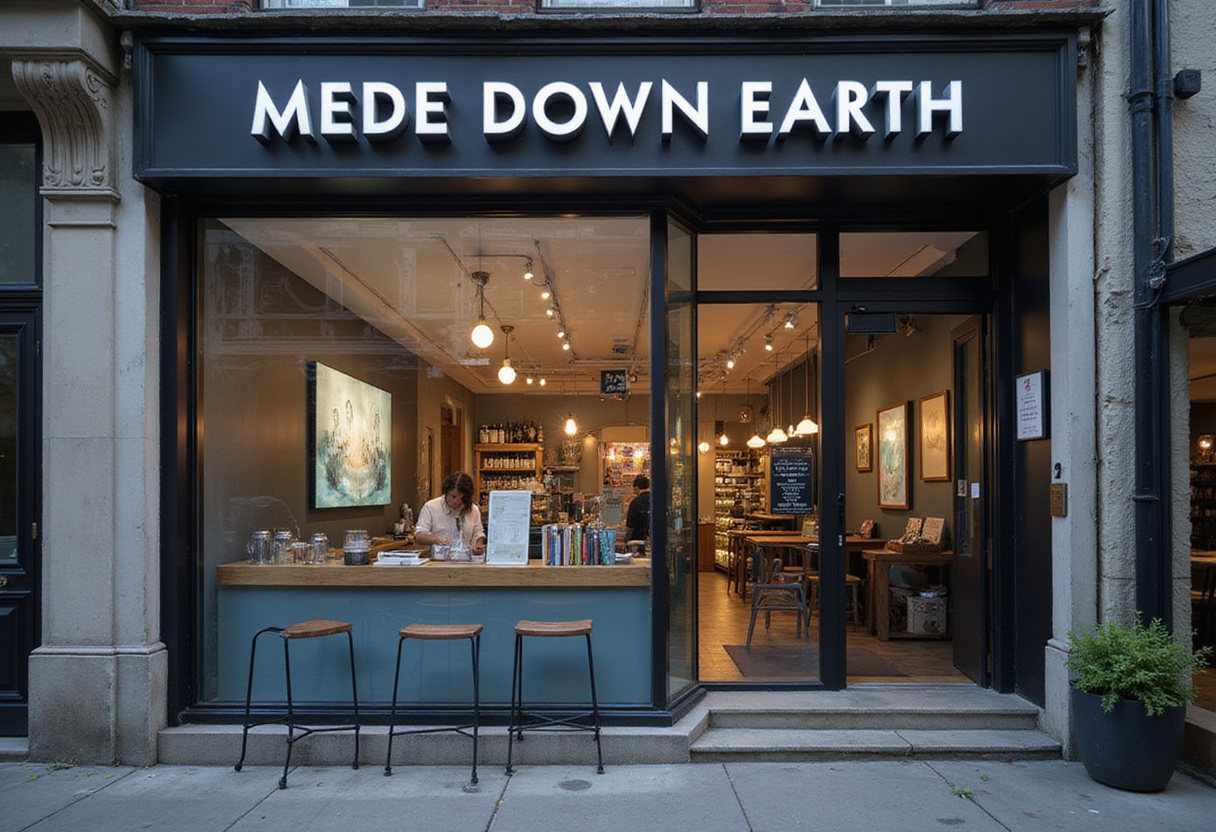
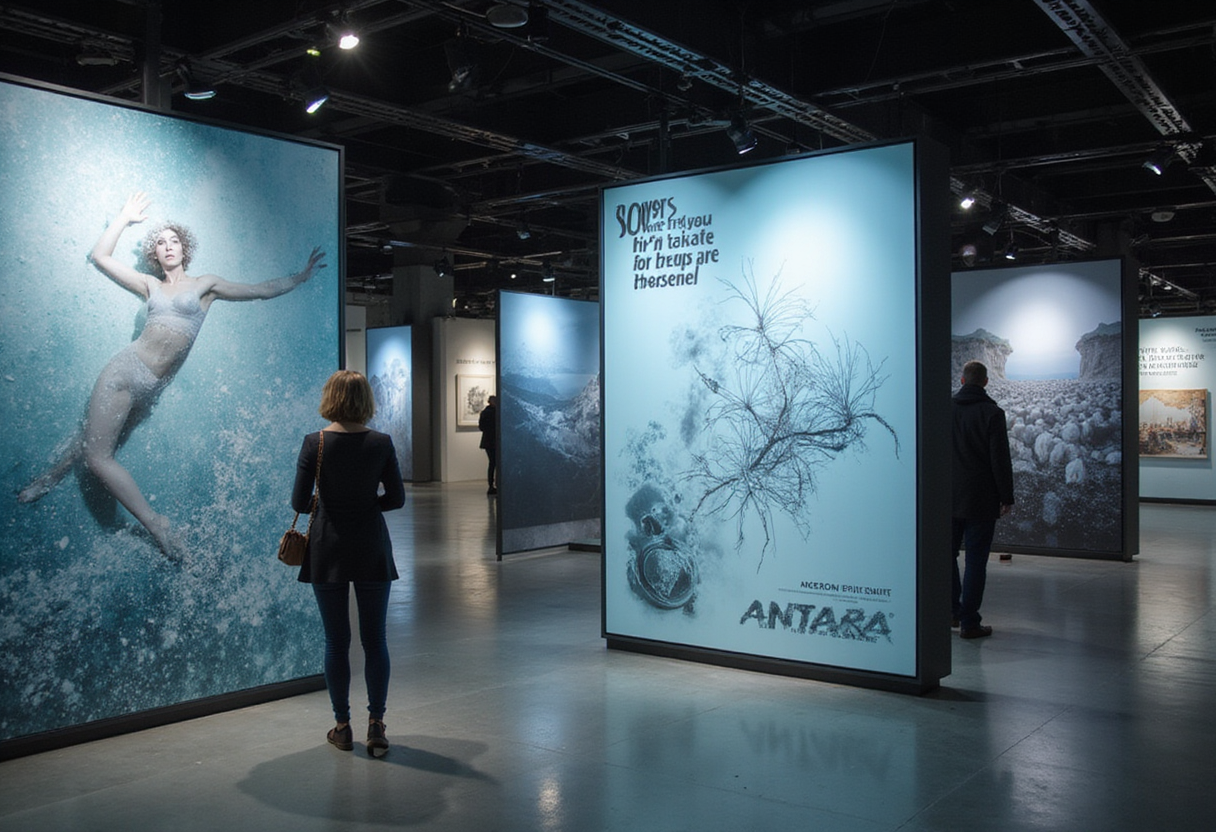
Twenty-one award-winning World Press Photo projects went on view at the Institut français d'Egypte à Alexandrie on July 16, when Photopia opened "Down to Earth: Climate Change and Climate Futures," an exhibition that runs until August 1. Organized in collaboration with World Press Photo and the Embassy of the Netherlands in Egypt, the show arrived in Alexandria after stops in Brazil and Port Said, making Egypt's second city its third destination — and the choice was deliberate.
The exhibition opens with a curatorial thesis stated plainly: what was once predicted is now reality. From there, it unfolds in two halves. The first documents environmental destruction intensified by climate change — rising sea levels, droughts, wildfires, pollution, and fossil fuel extraction — revealing not only damaged landscapes but the communities whose lives are being reshaped by them. The second pivots toward resilience, tracing stories of renewable energy, scientific food production, Indigenous knowledge, and environmental activism.
At the opening, Eva Witteman, Deputy Ambassador of the Embassy of the Netherlands in Egypt, explained why Alexandria is the right venue for this material. "Alexandria is a beautiful city," she said, "but you can already see how climate change is affecting it — from rising water levels to changing weather patterns." She noted that Egypt and the Netherlands have collaborated for nearly five decades on water management, irrigation, sanitation, and coastal protection, describing it as "a collaboration that's very Down to Earth" — a phrase that gives the exhibition its title.
Marwa Abou Leila, Co-Founder and Managing Partner of Photopia, challenged the assumption that the crisis remains distant. "One of the biggest misconceptions is that climate change is still far away from us," she said. "It's actually very present and visible all around us." She pointed to Alexandria's winters, where the frequency of storms has changed notably over the years, and recalled a recent trip to France where temperatures ran even hotter than Alexandria's. Photopia is deliberately routing the exhibition through coastal cities, which are among the most vulnerable to climate change; Ras El Bar is expected to be the next stop.
The sequencing is cinematic by design. "It's like going to the cinema," Marwa said, explaining that the exhibition was built for families and students as much as for climate specialists. Witteman agreed that photography bridges a gap that reporting often cannot. "Sometimes climate change is hard to write about or read about, but through pictures and art it becomes much more tangible to people." If she could invite anyone, she added, it would simply be the people of Alexandria.
The strongest individual projects justify the curators' two-part structure. Marwa singled out M'hammed Kilito's work on Morocco's disappearing oases, which follows one of the country's last surviving oasis communities. Rising temperatures, drought, fires, and unsustainable human practices have devastated an ecosystem that once sustained generations: Morocco has lost two-thirds of its oases over the past century, and palm tree populations have declined by roughly 60%. One image follows Mohammed Zriouili, whose family is one of only four remaining in a village that once counted nearly 100.
Witteman chose two projects that bracket the exhibition's arc between warning and hope. Luca Locatelli's "Hunger Solutions" looks forward, documenting Dutch researchers developing more sustainable food production through agricultural innovation, greenhouse technologies, and algae-based research. Matthew Abbott's "Australia's Bushfire Crisis" looks backward at devastation, capturing the 2019–2020 fires in images that include a kangaroo fleeing flames near a burning home — a photograph that compresses an entire continent's emergency into a single frame.
The exhibition's argument is ultimately local. The photographs travel from Morocco and Australia to the Netherlands, but they return visitors to Alexandria, a Mediterranean city already contending with rising water and shifting weather. Rather than demanding scientific literacy, "Down to Earth" asks something more basic: pause, look, and recognize what is already happening nearby. With Ras El Bar next on the itinerary, Photopia's coastal itinerary signals that the organization intends to keep placing World Press Photo's climate reporting directly in the Egyptian communities most exposed to it.
Key points
- "Down to Earth: Climate Change and Climate Futures" runs at the Institut français d'Egypte à Alexandrie until August 1, organized by Photopia with World Press Photo and the Embassy of the Netherlands in Egypt.
- The exhibition presents 21 award-winning World Press Photo projects in two halves: environmental destruction and community resilience; it previously showed in Brazil and Port Said, with Ras El Bar expected next.
- Featured projects include M'hammed Kilito's documentation of Morocco's disappearing oases — the country has lost two-thirds of them over the past century — and Matthew Abbott's "Australia's Bushfire Crisis."
Original: facebook.com
Daniel Okafor
Show full bio
News editor covering consumer brands and retail at Lens Gazette.