The Block Museum Revisits the City Symphony
The Block Museum of Art at Northwestern mounts a show on the city symphony tradition — the modernist films and photographs that made the metropolis their subject, now on view in Evanston.
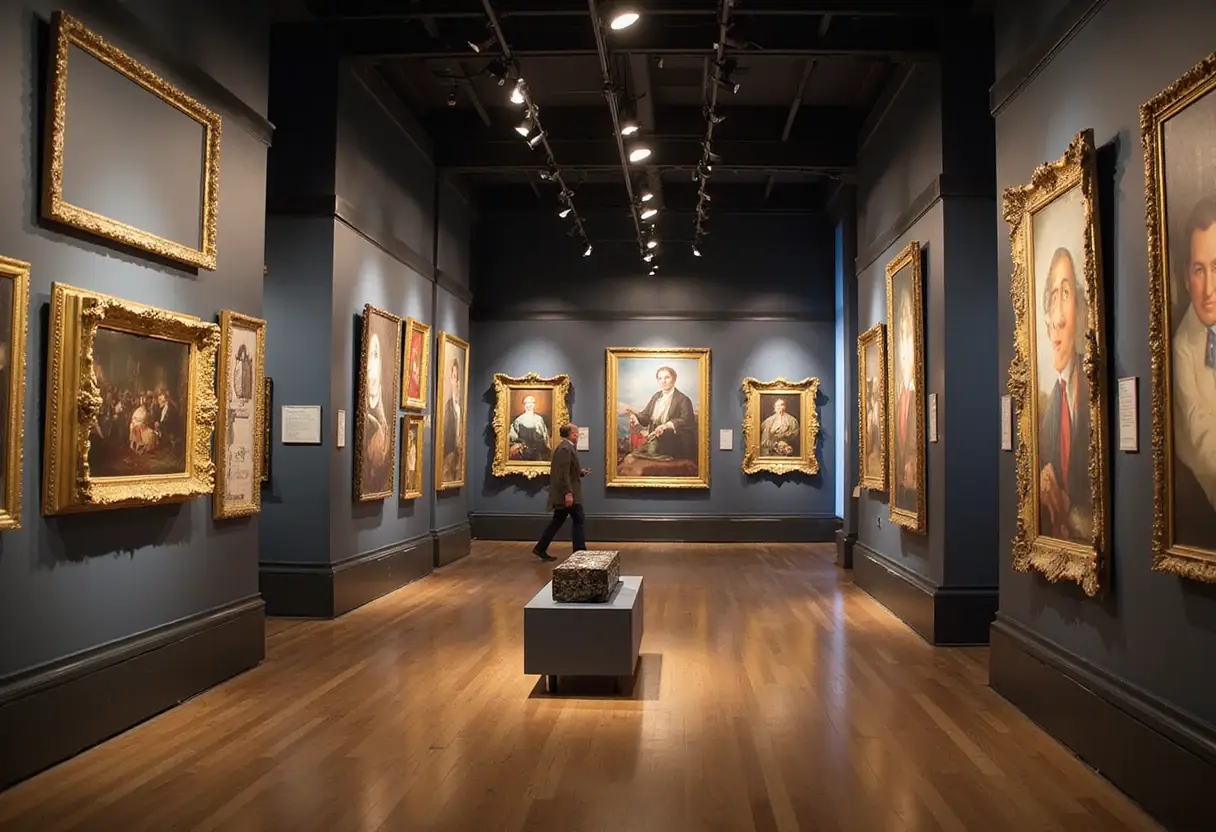
The Block Museum of Art at Northwestern University has mounted a show built around the city symphony — the great modernist tradition of films and photographs that treat the metropolis as a living organism. The exhibition, reviewed by Newcity Art under the title "The Block Museum's City Symphonies," is now on view at the museum's Evanston campus, just north of Chicago.
The venue matters here. The Block is a university museum with a long record of serious, scholarship-driven programming — film, photography and media shows that smaller commercial spaces in Chicago rarely attempt. A city symphonies project sits squarely in its wheelhouse.
What is a city symphony, exactly?
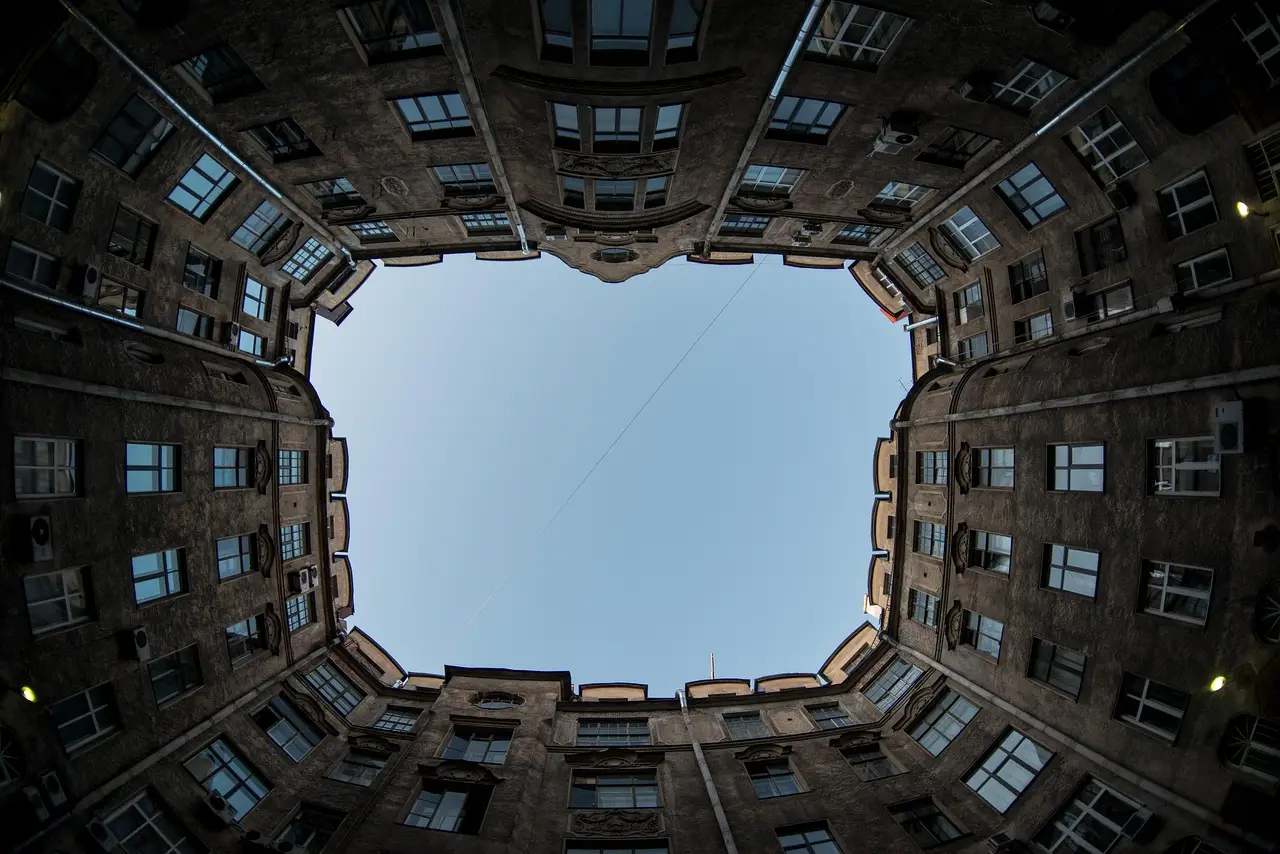
It's a genre, not an orchestra. In the 1920s and early 1930s, avant-garde filmmakers — most famously Dziga Vertov with "Man with a Movie Camera" (1929), set in Soviet cities — cut together rush hours, rooftops, trams and faces into kinetic portraits of urban life. Berlin, Paris and New York all got theirs. Photographers worked the same vein in stills: high angles, crowds, machine rhythm, the city as subject rather than backdrop.
The genre's core move is structural. A day's arc — dawn to night — becomes the spine. Movement becomes the grammar. The camera doesn't describe the city. It accelerates it.
That's the tradition the Block has taken on. Chicago, with its own history of urban photography from the Farm Security Administration era through the Chicago School, gives the subject local weight.
Why does this matter now?
Because the city symphony is having a second life. Contemporary artists keep returning to its grammar — time-lapse, montage, the compressed day — to make sense of cities that now change faster than film can develop. A museum show that traces the lineage from 1920s montage to current practice does useful curatorial work: it connects pieces usually siloed into film-history and photography-history departments.
The Block is one of the few Midwestern venues equipped to do it. Its galleries handle time-based media properly, and its academic setting means the exhibition comes with the interpretive apparatus — catalogues, screenings, talks — that a montage-driven subject demands. City symphonies were made to be seen big and in sequence. A phone clip loses the argument entirely.
What does this change for Chicago-area viewers?
Practically: a serious modernist-media exhibition within reach of the CTA's Purple Line, at a campus museum where admission is typically free. For photographers and filmmakers, it's a rare chance to study montage logic on a gallery wall rather than a laptop.
The fuller case — which works are on view, who curated, and how the historical material sits against contemporary commissions — is laid out in Newcity Art's review, which brought the show to attention.
One through-line holds regardless of the checklist. The city symphony was always an argument that the modern metropolis had a pulse, and that the camera could take it. A century on, with that pulse fainter in some districts and racing in others, the genre reads less as celebration and more as diagnosis. Expect the Block's framing to lean into that shift.
The exhibition continues at the Block Museum of Art, Northwestern University, Evanston. Check the museum's calendar for associated screenings and public programs while the show runs.
Key points
- The Block Museum of Art at Northwestern University presents a city symphonies exhibition, reviewed by Newcity Art
- The city symphony genre dates to the 1920s, with Dziga Vertov's 'Man with a Movie Camera' (1929) as its landmark
- The Block Museum is located on Northwestern's Evanston campus, just north of Chicago
Source: Google News: photography museum
Marcus Bennett
Show full bio
Correspondent covering companies, deals and strategy in Photography exhibitions, photographers, photo books, festivals and awards at Lens Gazette.