Tate Modern's Light and Magic Asks an Old Question Anew
Tate Modern's Light and Magic puts photography's oldest anxiety on its walls. The Observer's reviewer asks why photographers keep chasing paint — and doubts the answer.
Updated
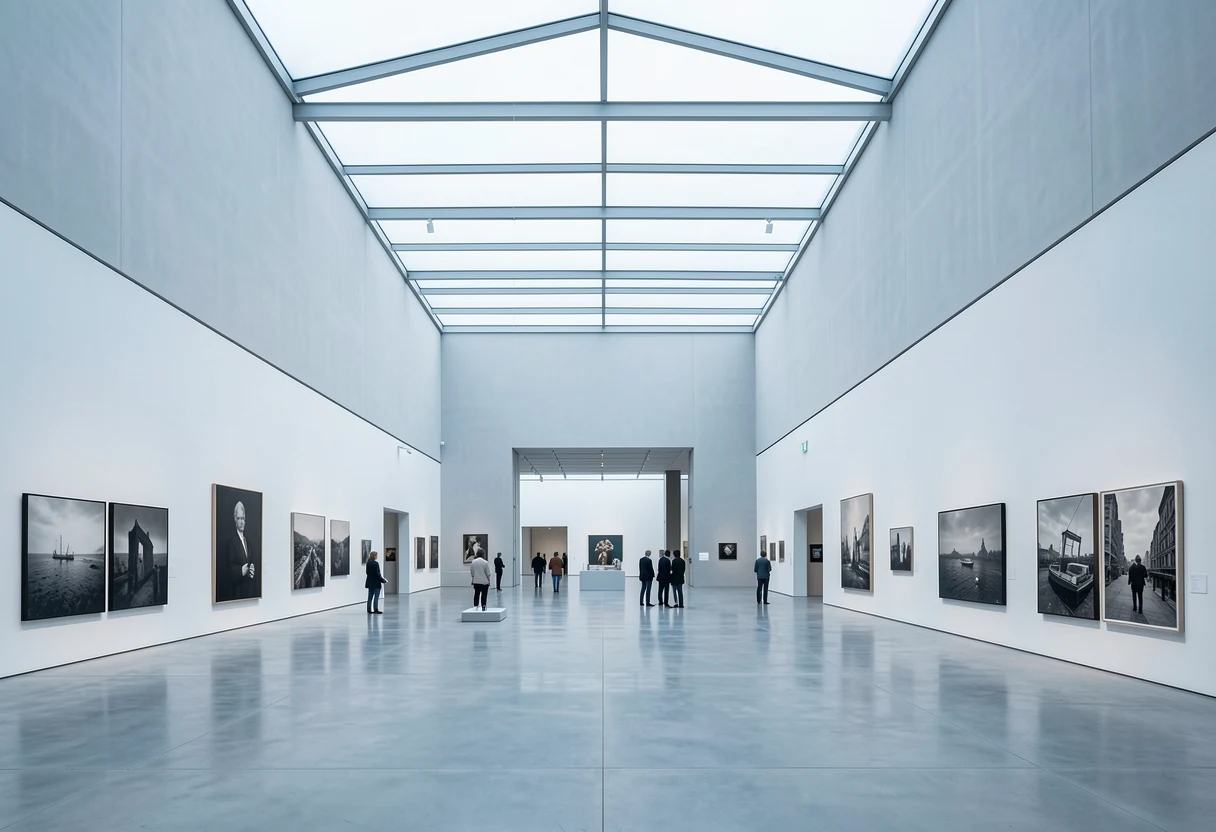
Tate Modern has opened Light and Magic, a survey that stages one of photography's oldest anxieties on its own walls: why do photographers keep trying to make pictures behave like paintings? That question anchors The Observer's review of the London show, and it's the right one to bring with you through the doors.
The exhibition sits in an institution that has spent two decades arguing for photography as fine art. Tate began collecting photographs seriously in the early 2000s and folded its photography programme into the main collection displays years ago. So a show at this venue interrogating painterly ambition isn't a niche concern. It's the museum effectively cross-examining its own canon.
What does the reviewer actually ask?
The Observer's headline poses the question bluntly: why turn a photograph into a painting? It's a provocation with a long pedigree. The debate goes back to the medium's first decades, when pictorialists softened their prints with gum and grease to claim painting's status. It resurfaced when modernists insisted on sharp focus and the camera's own honesty. And it returns every generation, most recently in an era when digital tools let a photograph mimic brushwork at the turn of a dial.
The reviewer's skepticism is pointed. If the camera sees differently from the eye — and it does — then dragging photographs toward canvas risks erasing exactly what makes them singular. The tonal range, the instant's fixity, the mechanical witness: these aren't limitations to disguise. They're the medium's argument.
Why this question at this museum?
Tate Modern has rarely hosted a photography show that didn't carry art-historical weight. Its past exhibitions treated photographers as artists of the first rank, not documentarians in the shadow of painting. Light and Magic extends that institutional project while questioning its terms.
The timing matters. Photography now dominates visual culture through screens, and painting dominates the market. A show that asks the two mediums to confront each other, at a venue with Tate's authority, functions as a status hearing. The Observer's review suggests the verdict is not settled — and that the tension is the point.
What does this change for visitors? It reframes how you look. Every softened edge and staged composition in the galleries becomes evidence in a case about medium and intent, rather than simply an image to admire.
The show's deeper wager, on the review's reading, is that the photograph-versus-painting question has no final answer — each generation answers it wrong in a new way, which is precisely what keeps both mediums honest.
Whether Light and Magic settles its own question or simply sharpens it, Tate Modern has given the debate its biggest stage in years. Expect the conversation to run well past the exhibition's close.
Key points
- Tate Modern is showing Light and Magic, reviewed by The Observer
- The review's central question: why turn a photograph into a painting?
- Tate began seriously collecting photography in the early 2000s
- The show stages the photograph-versus-painting debate at a major London venue
- The Observer's review takes a skeptical view of painterly ambition in photography
Source: Google News: photography exhibition
Marcus Bennett
Show full bio
Correspondent covering companies, deals and strategy in Photography exhibitions, photographers, photo books, festivals and awards at Lens Gazette.