Sony Claims 16.6 Stops From a Smartphone Sensor: Meet the Lytia 720
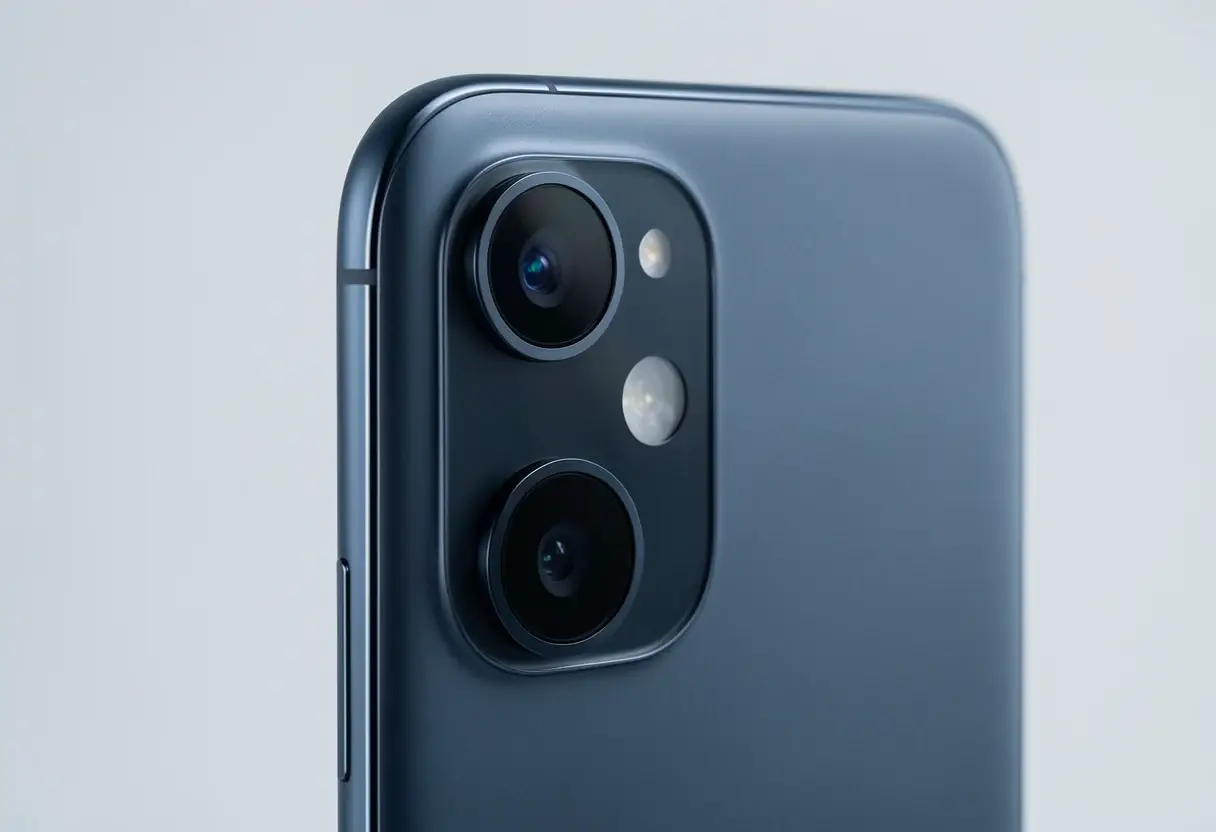
Sony's new 50MP Lytia 720 sensor claims 100 dB dynamic range (about 16.6 stops), halves dim-scene noise versus the Lytia 700, and ships for mass production early next month.

Sony says its new 50-megapixel Lytia 720 smartphone sensor delivers 100 dB of dynamic range — roughly 16.6 stops — while cutting random noise in dim scenes by about 50% compared with its predecessor. Those are big claims, and the sensor goes into mass-production shipping early next month, so we won't wait long to see whether phones can actually cash the check.
The announcement, made without fanfare by Sony's semiconductor division, positions the Lytia 720 as the successor to the Lytia 700. Same resolution, same Type 1/1.56 optical format. What changes is what sits underneath the pixels.
Where does the dynamic range claim come from?
The headline number rests on Sony's HF-HDR technology, short for Hybrid Frame-HDR. The company has already shipped it in the larger Lytia 901 and Lytia 910 sensors — the latter being Sony's first LOFIC sensor — but this is the first time the trick has migrated down to a mid-sized chip.
HF-HDR works by fusing two capture modes. Dual Conversion Gain-HDR (DCG-HDR) handles the low-to-medium brightness range; a separately captured short exposure covers the highlights. Stack them and you get the promised 100 dB. In practice, that should mean fewer blown-out windows and streetlights in night shots — a persistent weakness of small sensors.
The noise claim is separate. Sony credits its proprietary low-noise circuit technology for halving random noise in dark scenes against the Lytia 700. Half. That's the kind of number engineers love and marketing departments love even more; independent testing will tell whether it survives contact with real phone processing pipelines, which often smooth whatever the sensor delivers.
How fast is it?
The readout figures are genuinely quick for this class:
- 50-megapixel stills with all-pixel autofocus at up to 50 frames per second
- 12.5-megapixel stills at 90 fps, or 30 fps with DCG-HDR active
- 4Kp60 HDR video recording
- 4Kp120 recording, but only with DCG-HDR disabled
That last caveat matters. The 120fps mode and the headline HDR pipeline can't run together, so manufacturers will have to choose between slow-motion capture and the dynamic range Sony is selling.
Which phones will use it?
The size tells the story. Type 1/1.56 is a workhorse format: it matches the main-camera sensor size reportedly used in the iPhone 18 Pro series — Apple doesn't discuss its suppliers publicly — and it's common across mid-to-high-end Android devices as both a main camera and a telephoto.
The Lytia 720 sits below Sony's flagships in the lineup. The 200-megapixel Lytia 901, at Type 1/1.12, and the 50-megapixel LOFIC Lytia 910, at Type 1/1.28, are physically larger and will keep their place in premium hardware. Sony pitches the 720 as a main camera for mid-range Android phones or a telephoto sensor in flagships — meaning the most consequential dynamic-range improvement of the year may arrive not in the $1,200 phones but in the $500 ones.
There's a caution, though. Sensor specs are lab measurements, not photographs. What Sony measures as 100 dB arrives on your screen after a phone maker's computational photography stack has mangled, merged and sharpened it. The Lytia 700's phones never quite matched their datasheet in low light either.
With mass-production shipping starting early next month, expect the first Lytia 720 handsets to surface before the year is out — and, with them, the first honest test of whether 16.6 stops in a Type 1/1.56 package is a milestone or a slide-deck number.
Key points
- Sony's Lytia 720 is a 50MP Type 1/1.56 sensor claiming 100 dB dynamic range, about 16.6 stops
- Random noise in dim scenes drops roughly 50% versus the Lytia 700, Sony says
- It records 4Kp60 HDR video, or 4Kp120 only with DCG-HDR disabled
- Readout hits 50MP at 50 fps and 12.5MP at 90 fps with all-pixel autofocus
- Mass-production shipping begins early next month
Source: PetaPixel
Daniel Okafor
Show full bio
News editor covering companies, deals and strategy in Photography exhibitions, photographers, photo books, festivals and awards at Lens Gazette.