RSF to Bring Gaza Photojournalism to Rencontres d'Arles
Reporters Without Borders will present Gaza photojournalism at the Rencontres d'Arles festival this summer. The Paris press freedom group joins the southern French festival for its largest platform yet.
Updated
Reporters Without Borders will present Gaza photojournalism at the Rencontres d'Arles photography festival. The Paris-based press freedom group will mount the programme during the annual summer event in Arles, southern France.
The collaboration marks RSF's most visible festival appearance yet. The NGO runs a parallel practice as a photography institution. It operates galleries in Paris and Stockholm. Arles offers a larger audience and broader editorial reach.
What does RSF bring to a photography festival?
Founders established RSF in Montpellier in 1985. It now operates from Paris. Its core work documents press freedom conditions across 180 countries. The annual index ranks national environments for journalists and scholars. The organisation runs visual programmes through galleries in Paris and Stockholm. Past exhibitions have covered Syria, Ukraine, Yemen, and other press-crisis environments.
The Arles presence extends that trajectory. RSF treats the image as evidence. It catalogues imagery that may feed later war-crimes inquiries. The festival grants that work a public platform beyond press releases and advocacy material. Arles slots give RSF cultural weight that newsroom advocacy alone cannot.
Why does this matter for Arles?
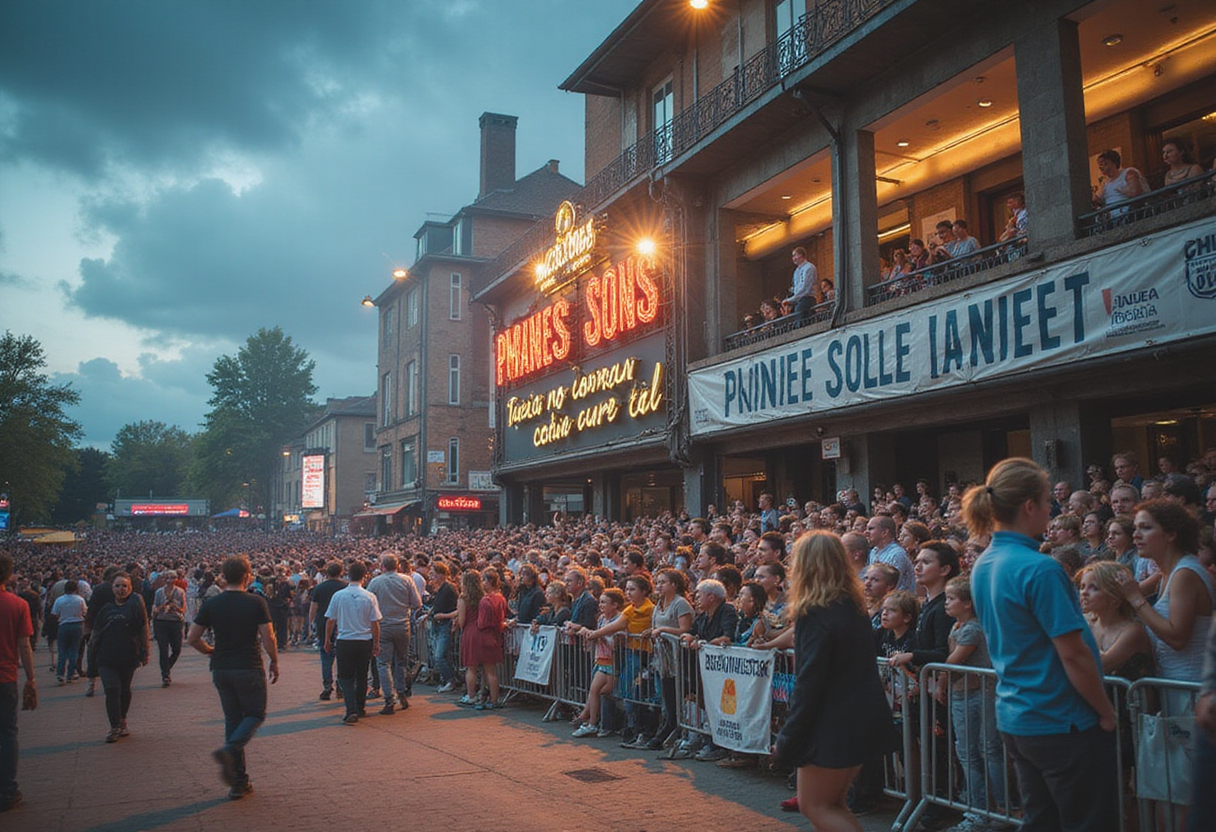
Photographer Lucien Clergue founded Rencontres d'Arles in 1970 with two co-founders. The festival operates each summer from July through September. It now ranks among the world's leading photography events. The programme draws around 100,000 visitors annually. It mixes documentary and contemporary art photography.
Curators have steadily increased the conflict-coverage share. The 2024 edition showed Israeli and Palestinian photographers alongside each other. Curators framed the war as a defining documentary event. The move signalled that photography festivals had absorbed Gaza into the mainstream programme. The 2025 line extends that through RSF's entry, which expands the festival's newsroom-facing wing and blurs the boundary between journalism and curatorial practice. The festival now treats photojournalism as gallery-grade art rather than trade journalism.
What are the stakes for the photographers?
Gaza-based photojournalists work under sustained military action. International press access has been restricted since late 2023. Local reporters carry most of the documentation. Many work for international outlets at personal risk to themselves and their families. RSF's festival platform offers a route to international visibility.
It does not resolve questions of safety on the ground. The Arles audience sees curated frames rather than working conditions. Curators choose which photographers receive wall space. That filtering shapes public memory of the conflict. An exhibition at Arles can build a photographer's career and shape global remembrance of the war, yet visibility alone does not protect reporters who continue to work inside Gaza.
What comes next?
RSF has signalled further visual-journalism projects beyond Arles. The organisation's gallery programme expands each year. New festival partnerships look likely across Europe and the Middle East. The photography wing now operates as a separate editorial unit within the NGO.
Rencontres d'Arles continues through the summer. The full 2025 programme releases in coming weeks. Gaza coverage will likely occupy a larger share than in any prior edition. Press freedom NGOs now compete with news agencies as visual archive holders, and their curated exhibitions read as journalism, advocacy, and memorial at once. The Arles–RSF collaboration signals where documentary photography's institutional centre of gravity is heading next.
Key points
- Reporters Without Borders will present Gaza photojournalism at the Rencontres d'Arles photography festival in 2025.
- Rencontres d'Arles was founded in 1970 by photographer Lucien Clergue and draws around 100,000 visitors each summer.
- Reporters Without Borders was founded in 1985 in Montpellier and monitors press freedom conditions across 180 countries.
- The 2024 edition of Rencontres d'Arles already featured Israeli and Palestinian photographers documenting the Gaza conflict.
- The festival runs from July through September at heritage venues in Arles, southern France.
Source: Google News: photography festival
Grace Kim
Show full bio
Senior reporter covering companies, deals and strategy in Photography exhibitions, photographers, photo books, festivals and awards at Lens Gazette.