Siena Awards Photo Festival 2026 Turns Lens on War and Crisis
The Siena Awards Photo Festival 2026 stakes its program on war reportage, human rights documentation and environmental crisis — three threads of one story, staged in Tuscany.
Updated
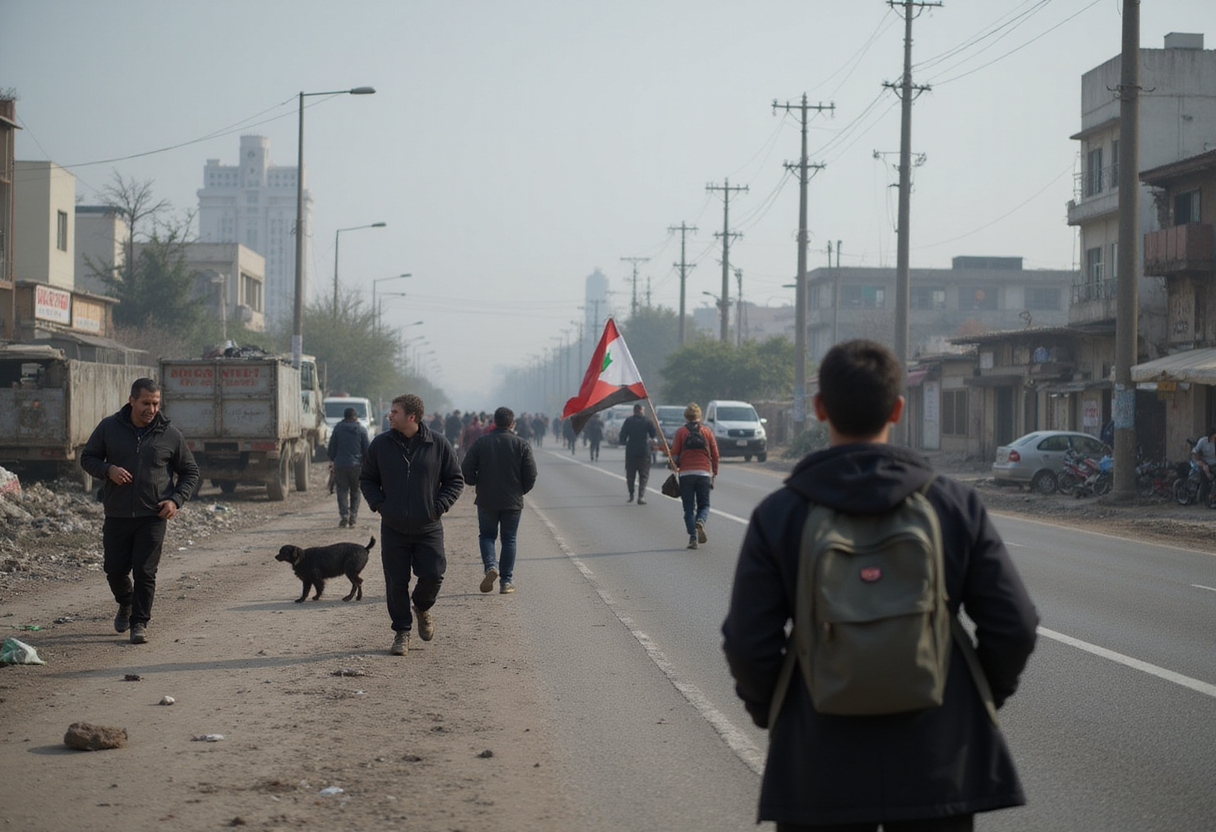
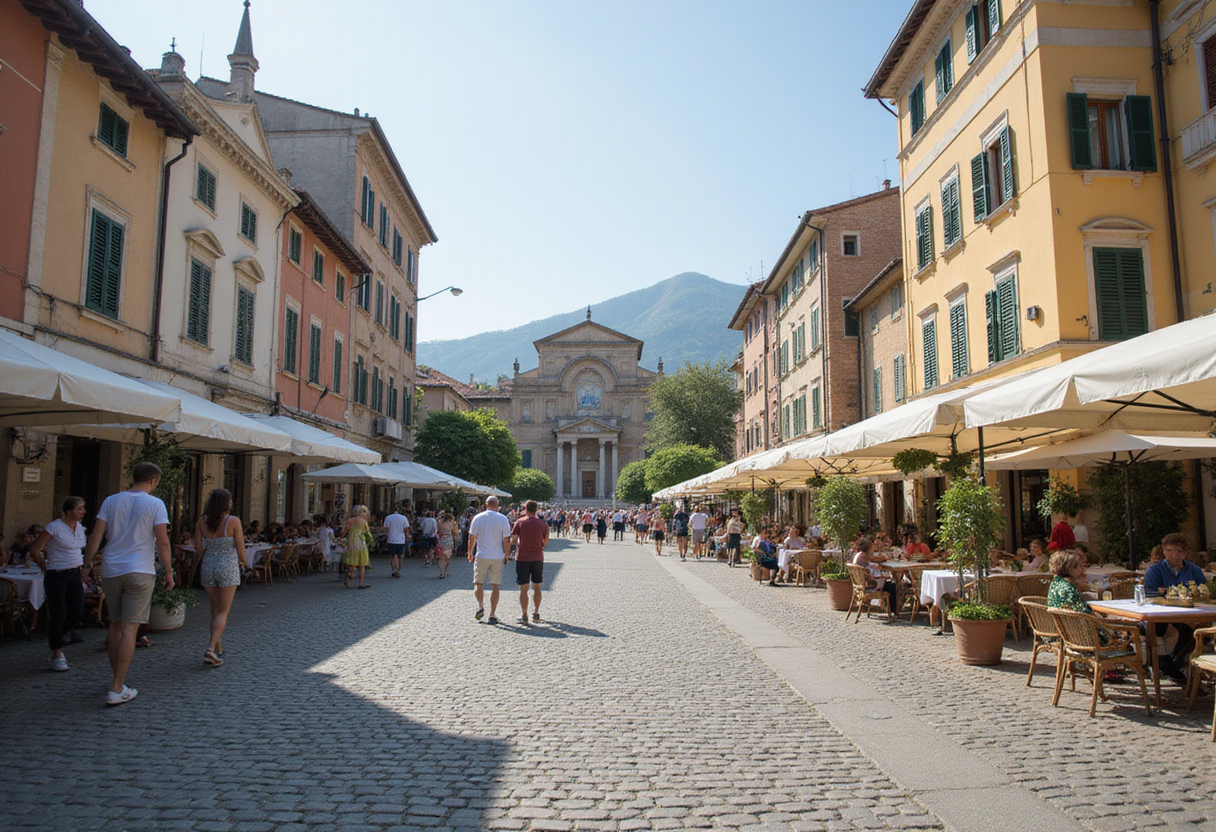
The Siena Awards Photo Festival returns in 2026 with a program that stakes its claim on the hardest subjects in contemporary photography: war, human rights violations and environmental crises.
The festival, based in the Tuscan city of Siena, has built its reputation on an international awards circuit that draws submissions from photographers working in conflict zones, displaced communities and degraded landscapes. The 2026 edition, as announced, frames those three threads — war, human rights and the environment — as its editorial spine.
That framing matters. Documentary photography has spent the past decade under pressure from two directions: shrinking editorial budgets on one side and the flood of synthetic imagery on the other. Festivals such as Siena's have become among the few remaining institutional platforms where long-form reportage from wars and climate frontlines reaches a broad public audience, outside the news cycle that usually consumes and discards it within a day.
What role does the festival play for conflict photography?
The Siena Awards operate through an annual competition structure, with winning and shortlisted works assembled into festival exhibitions across the city. For photographers covering armed conflict, these venues offer something the wire services cannot: wall-scale presentation, sustained viewing time and the legitimising context of an art institution.
It is a model shared by World Press Photo in Amsterdam and the Bayeux Calvados-Normandy Award for war correspondents, but Siena has positioned itself as the Mediterranean node of that network — geographically close to the migration routes, conflict legacies and climate pressures of southern Europe and North Africa that recur in winning work.
How does the 2026 program treat human rights and the environment?
According to the festival's announcement, the 2026 edition treats human rights documentation and environmental crisis as subjects of equal weight to war reportage. The pairing reflects where the discipline itself has moved. Photographers who once worked purely as conflict correspondents increasingly follow the aftermath: displaced populations, environmental degradation driven by war, and the legal and humanitarian struggles that outlast ceasefire lines.
Environmental photography, in turn, has shifted from landscape spectacle toward evidence-gathering — images that function as testimony to extraction, pollution and climate displacement. By programming these strands alongside war reportage, Siena signals that it reads them as one continuous story rather than separate genres.
Why does this matter now?
The institutional context is difficult. Photojournalism prizes face recurring debates over ethics, consent and the aesthetics of suffering, and any festival that foregrounds war imagery inherits those arguments. A program built on wars, rights abuses and environmental collapse will be judged not only on the strength of individual images but on the curatorial responsibility with which they are sequenced and contextualised.
There is also the question of audience. Siena draws a mixed public of photography professionals and general visitors, and work on these themes risks tipping either into engagement or into a kind of crisis fatigue. The festival's curatorial choices — which photographers, which conflicts, which framings — will determine which way that balance falls.
The 2026 edition, with its explicit commitment to photography as a chronicle of war, rights and environment, positions Siena as a venue where the discipline's most urgent arguments will continue to be staged — and, as the program develops toward opening, it will be watched as a barometer of where documentary photography's institutional support stands.
Key points
- The Siena Awards Photo Festival 2026 is based in Siena, Italy
- The 2026 program centres on war, human rights and environmental crises
- The festival combines an international awards competition with city-wide exhibitions
Source: Google News: photography festival
Grace Kim
Show full bio
Senior reporter covering consumer brands and retail at Lens Gazette.