Rafael Pavarotti's First Solo Show Opens Inside the Louvre
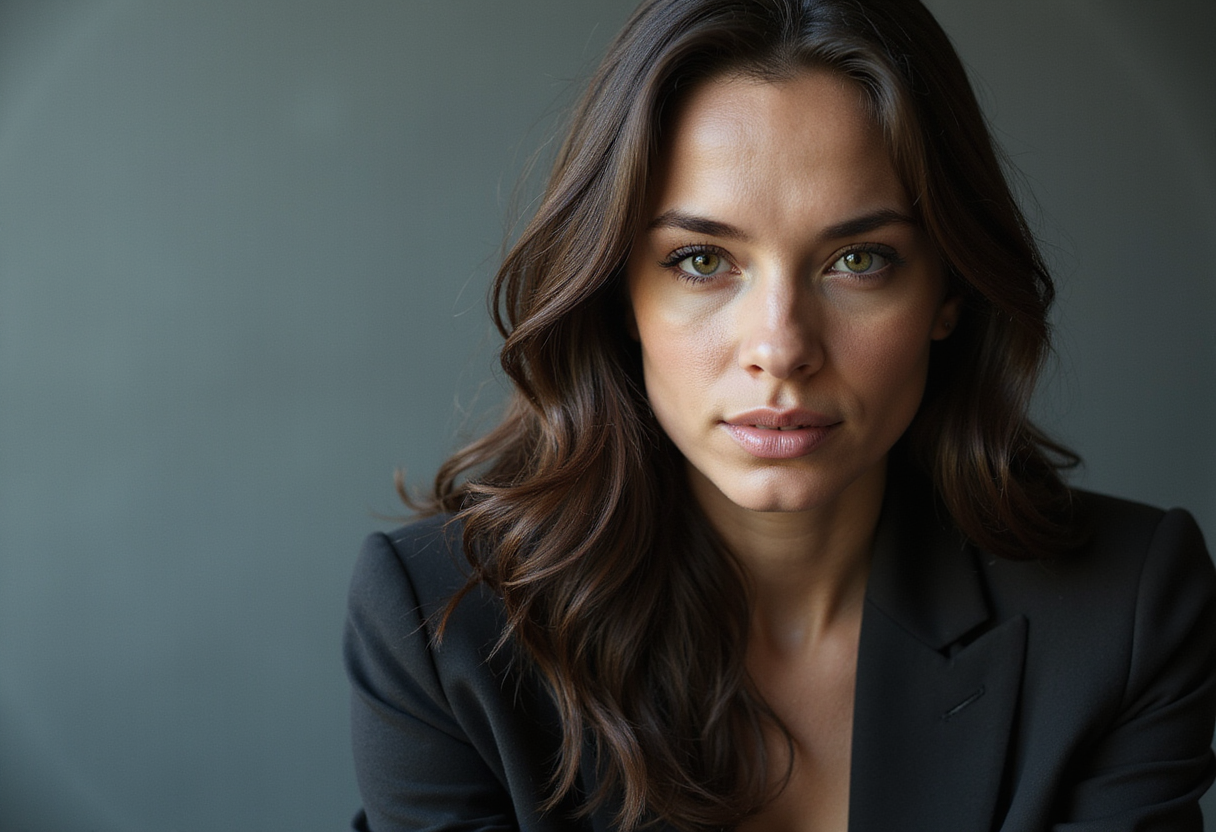
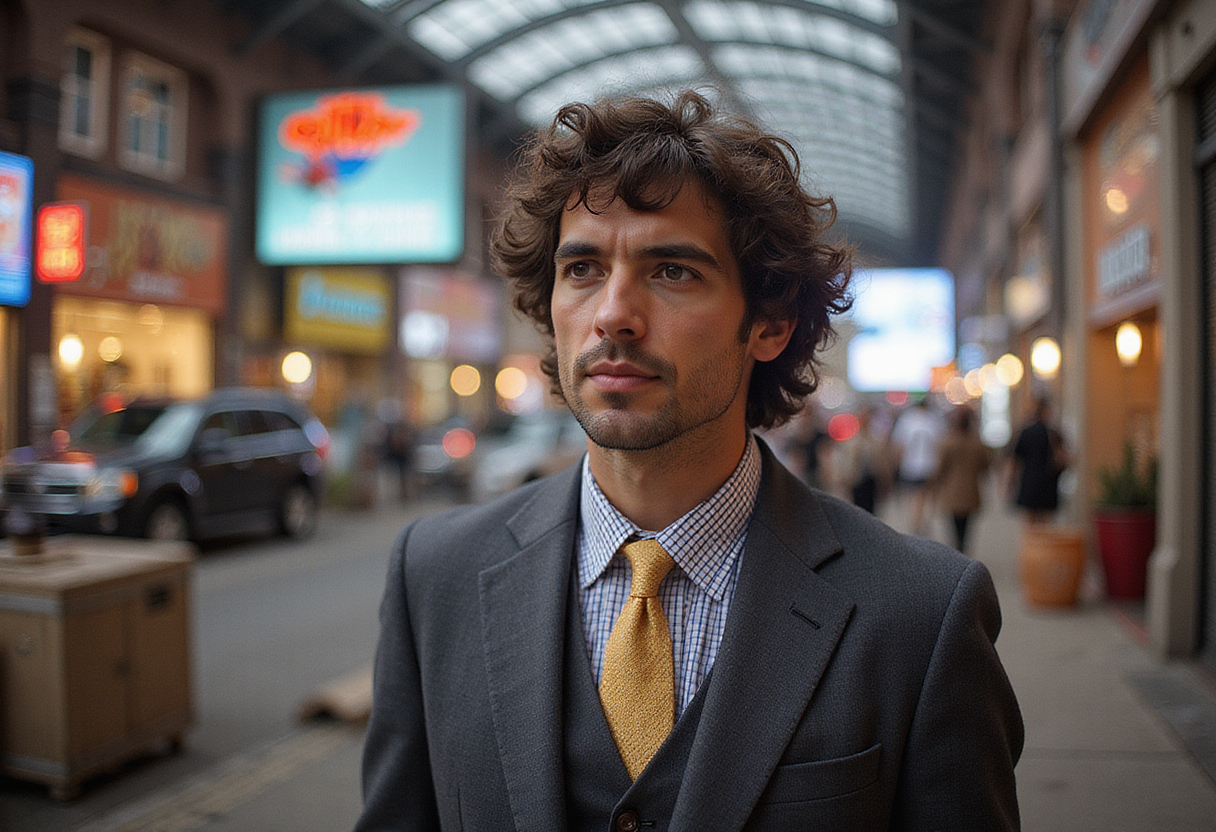
On 2 October, the Musée des Arts Décoratifs in the Louvre's Marsan Wing opens the first solo show dedicated to Rafael Pavarotti. Curator Sébastien Quéquet fills five rooms with crimson, wood tones, and the Brazilian-Indigenous photographer's saturated portraits.
Updated
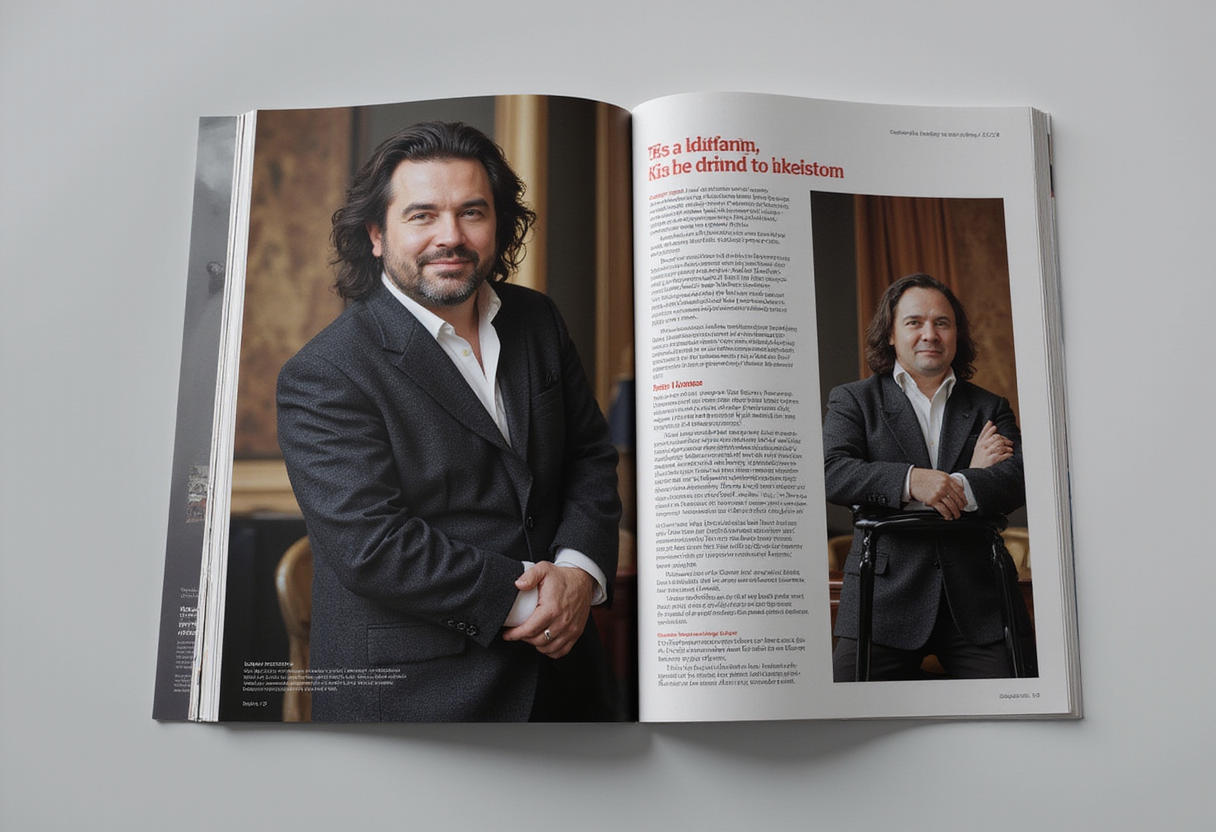
On 2 October, the Musée des Arts Décoratifs, in the Marsan Wing of the Louvre Palace, opens the first solo exhibition dedicated to Brazilian-Indigenous photographer Rafael Pavarotti. Curator Sébastien Quéquet has converted five rooms into an immersive environment drenched in crimson and rich wood tones, designed by Ibby Njoya and inspired by the flora of the artist's childhood home in the humid jungles near Belém.
What does the show contain?
The rooms read as Pavarotti's imagined jewellery box. Gemstone hues permeate nearly every surface, from the saturated backdrops for W magazine to the neon-edged Afros and citrine eyes of Adhel Bol in a series for Perfect Magazine. Subjects appear as empresses, goddesses, queens, and warriors, "always keenly aware of their seductive power."
The opening room displays Pavarotti's earliest cameras, a mobile of coloured clips his parents hung above his bed, photographs of his first model, and notebooks containing his written reflections on Indigenous people, African mythologies, and Brazilian mythologies.
How does colour function in his work?
For Pavarotti, colour operates as a first language. Quéquet explained: "Colour is really something that he discovered as soon as he was born. It's something that is very strong for him, like a language that is always in his mind." The saturated palette traces back to his grandmother's colourful crockery and to a childhood spent in community. "He had a mobile of clips made by his parents above his bed when he was a kid, and for him it was his discovery of colour."
Colour also carries political weight. "The use of colour in Brazilian and African cultures is associated with joy, and he really wants something very full of joy also," Quéquet said. "When you make it a seduction, it's easier to convey a message." A handful of black-and-white frames appear in the show, but Pavarotti largely "thinks in colour."
Why does the practice skew toward Black and Brown subjects?
Pavarotti came to wider attention when Vogue Brazil discovered him in 2017, the same year he met stylist Ib Kamara. Their collaboration reorganised the production apparatus around the picture: Black make-up artists, hair stylists who knew how to work with curls, and lighting assistants attuned to dark skin. As Quéquet noted, "his representation of Black and Brown people is different from what we have seen before, because he wants to show the history of these people, keeping in mind their history of under-representation."
The bodies in the frames push the point further. Limbs angle and necks elongate, producing what Quéquet called "a palpable sense of movement." Pavarotti's gaze, he added, "is fixed firmly forward, his work rewriting narratives of Black representation for future generations."
Where do the photographs sit in the museum?
The Musée des Arts Décoratifs opened more than a century and a half ago and shares a wall with the Louvre. Pavarotti is its first Brazilian photographer. "It is interesting to present Rafael. He is young, and he is in fashion, so there are a lot of things about him that are quite different from what we have done before," Quéquet said.
The installation resists chronology. Editorials sit alongside house campaigns: the FILA Autumn-Winter 2021 collection featured Sheila Bawar in a yellow sweatshirt with a triangular pubic flourish and a Magritte-flavoured stillness; the series The Surreal Deal shows the same model wearing an actual fish and pulling an exaggerated expression. Celebrities occupy a dedicated wall, including Pavarotti's recent album cover for Madonna and Vogue cover work worldwide.
How does Pavarotti think about image longevity?
The work lives inside systems that compress attention. On Instagram, Pavarotti captions his images at length, determined "not to lose the message through its rapidity." The exhibition does the opposite. "It is not on your phone, it is not in a magazine, but it is on the wall. It is bigger," Quéquet said. "There is nobody else screaming or stealing your attention."
Born in the Amazon, hooked on fashion at 12 through John Galliano's Egyptian-inspired Dior Spring/Summer 2004, and discovered by Vogue Brazil by 2017, Pavarotti now stages his work inside the Louvre compound. Quéquet frames the show as a first chapter: museums hold photographs "for future generations," and an exhibition is the prelude to books, archives, and an international readership he hopes the work will reach.
Key points
- Exhibition opens on 2 October at the Musée des Arts Décoratifs in the Louvre's Marsan Wing
- Five rooms designed by set designer Ibby Njoya, curated by Sébastien Quéquet
- First solo show dedicated to Rafael Pavarotti and the first by a Brazilian photographer at the Musée des Arts Décoratifs
- Pavarotti was discovered by Vogue Brazil in 2017, the same year he began working with stylist Ib Kamara
- Series shown include FILA Autumn-Winter 2021, The Surreal Deal with Sheila Bawar, and Madonna's most recent album cover
Source: Google News: photography exhibition
Grace Kim
Show full bio
Senior reporter covering consumer brands and retail at Lens Gazette.