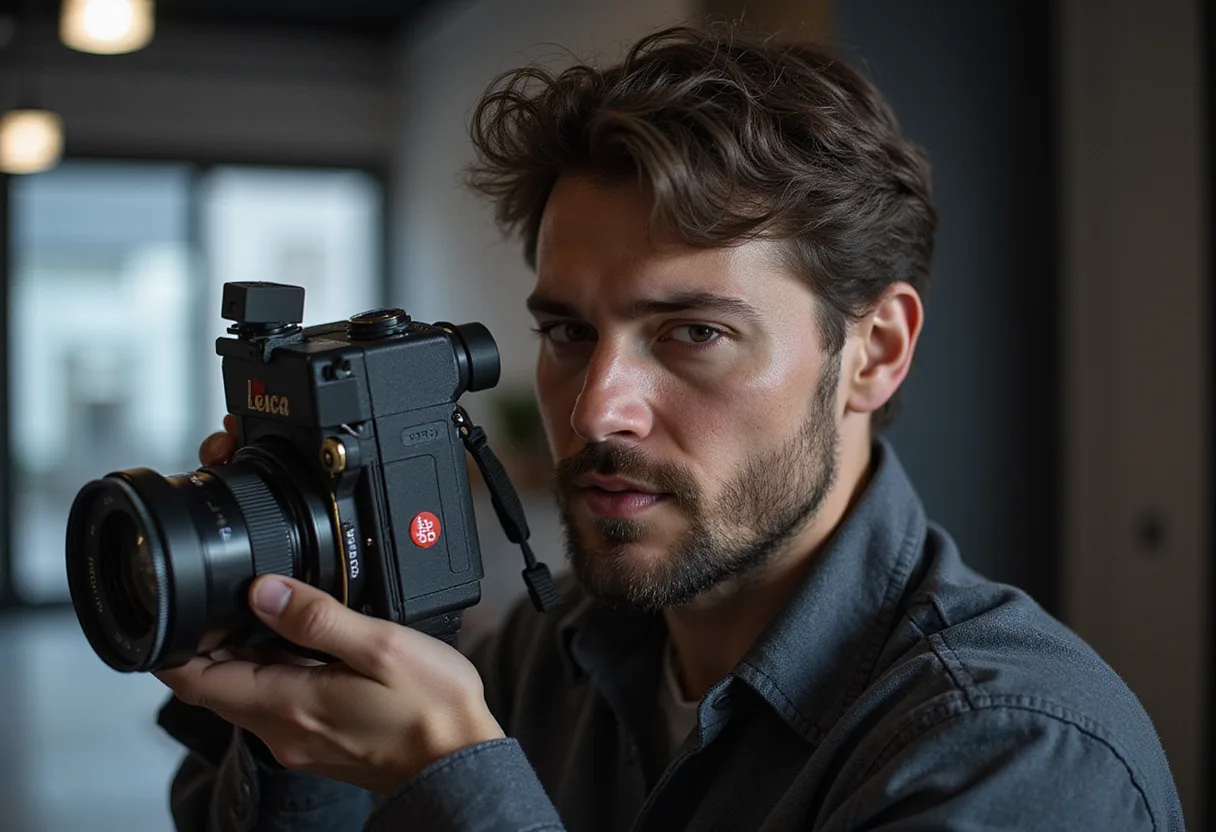
Pixii's Liquidation and the Blame Game: Did a Review Kill a Camera Maker?
Pixii's liquidation triggered blame aimed at Chris Niccolls' Pixii Max review. PetaPixel counters with its record: sponsors and press trips never bought verdicts, and the flaws were real.

French digital rangefinder maker Pixii has entered liquidation, and within days readers were emailing PetaPixel to blame one man: reviewer Chris Niccolls. One anonymous message, published by the site, thanked him with heavy sarcasm: "THANK YOU, CHRIS! You really did your job exposing this company. And now they are bankrupt and in liquidation."
The accusation is simple. Niccolls' critical evaluation of the Pixii Max, the argument goes, dealt a fatal blow to a struggling boutique manufacturer. Had Pixii flown the press to Provence and staged a proper launch, coverage would have been warmer. The startup would have survived.
That's the claim. Now let's stress-test it.
Does manufacturer access buy favorable reviews?
PetaPixel's answer is no, and its counter-evidence is unusually specific. Reviewers — the site pointedly separates them from influencers — attend launch events because those events offer controlled conditions to shoot sports, wildlife, or street work. The trips, it insists, do not purchase verdicts.
Consider the record the site lays out:
- Panasonic Lumix S9: PetaPixel traveled to Osaka for the launch, then sharply criticized the camera's missing electronic viewfinder and shooting limitations. Niccolls has said openly he doesn't like it.
- Leica SL series: despite multiple trips to Germany, reviews consistently questioned whether performance justified the premium price.
- Sigma BF: long-standing professional relationships did not soften assessments of ergonomic and operational hurdles.
- OM System Pen: the company sponsors PetaPixel's Trail Camera series and flew the team to Japan for the review. The final score is among the lowest in the industry.
Four examples, four manufacturers, one pattern. Sponsors got no free pass. Caveat, though: all four examples come from PetaPixel itself, which is hardly a disinterested auditor of its own integrity.
The site also points to PixelMeter, its review aggregator built to surface multiple opinions on a single page, as structural proof of intent — encouraging readers to compare perspectives rather than trust a single voice.
What was actually wrong with the Pixii Max?
The camera offered genuine novelties, PetaPixel concedes. But it shipped with real problems: a convoluted, difficult-to-use menu system and visible banding in shadows, among other image-quality issues.
Here's the detail that undercuts the blame game most neatly. Even the accusers admit the flaws existed. The same anonymous emailer wrote that he "would have bought one if they could have ironed out some of the major issues." That's not an indictment of the review. That's the review's thesis, restated by its critics. The camera reached the market with unaddressed problems, and buyers stayed away — exactly as the coverage said they should.
Why one review can't kill a company
A single review rarely decides a product's fate, let alone a brand's. Pixii operated for nearly eight years and shipped multiple iterations of its digital rangefinder. If one critical article could liquidate a manufacturer, the industry would be a graveyard.
The company's own conduct raises harder questions than any review. Pixii never answered a single PetaPixel inquiry dating back to 2018. It barely communicated with the wider press pool and, to PetaPixel's knowledge, never sent a review unit outside France. The Pixii Max review only happened because a reader loaned his personal camera for testing — years after the product had launched.
And PetaPixel wasn't an outlier. No established photo publication or veteran gear reviewer issued an unqualified, glowing endorsement of the Pixii Max. The media consensus ranged from mixed to highly critical across the board.
When a camera brand fails, the causes sit in product execution, pricing, manufacturing scale, and market demand. Reviewers document those realities. They don't create them. A reviewer's obligation runs to the reader spending thousands of dollars, not to a manufacturer's bottom line — protecting a niche startup by ignoring flaws would betray the buyer putting up real money.
In a media environment increasingly crowded with sponsored content and brand ambassadorships, unsparing editorial critique may be the last honest signal available. The Pixii affair suggests readers still aren't sure they want it.
Key points
- French digital rangefinder maker Pixii has entered liquidation after nearly eight years of operation.
- Pixii never responded to a single PetaPixel inquiry dating back to 2018, and never sent review units outside France.
- The Pixii Max suffered a convoluted menu system and visible banding in shadows.
- No major photo publication issued an unqualified glowing endorsement of the Pixii Max.
- PetaPixel's OM System Pen review, despite sponsorship and a Japan trip, ranked among the industry's lowest scores.
Original: youtube.com
Daniel Okafor
Show full bio
News editor covering companies, deals and strategy in Photography exhibitions, photographers, photo books, festivals and awards at Lens Gazette.