Nick Oza's Phoenix: Two-Time Pulitzer Winner's Photos Return Home
Two-time Pulitzer winner Nick Oza's photographs return to west Phoenix Nov. 5 in "Be Seen," an outdoor show of 60 images curated by Altavoz Lab's Valeria Fernández.
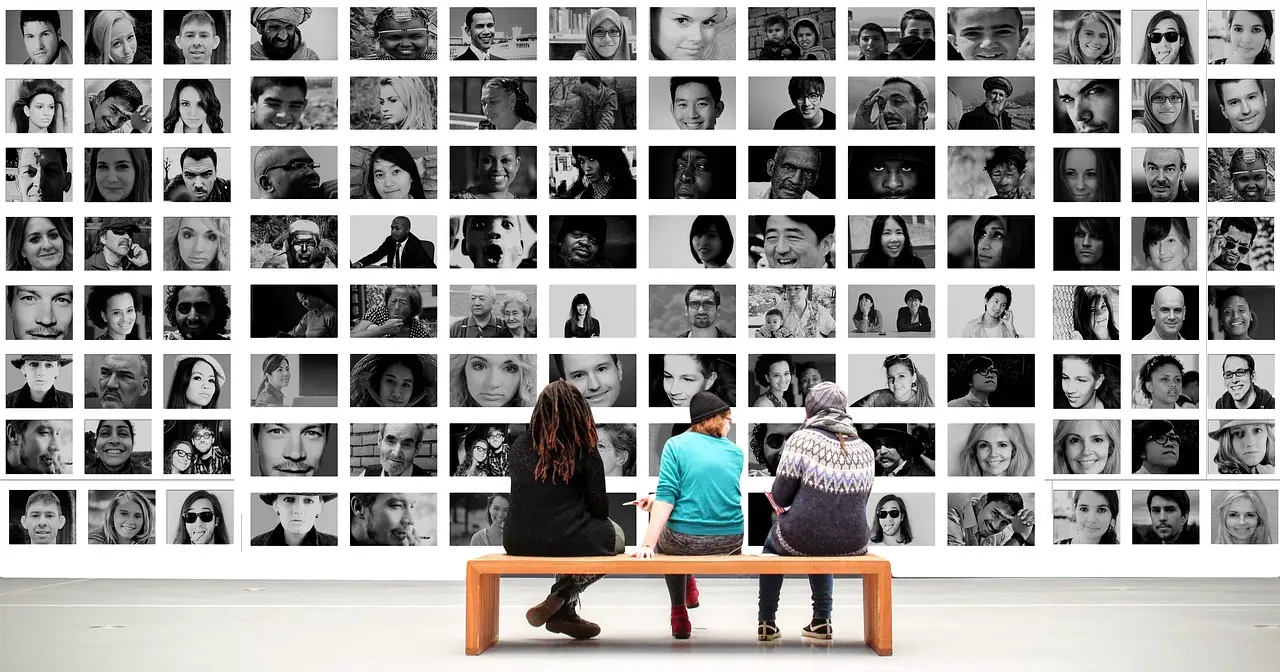
Two-time Pulitzer Prize-winning photojournalist Nick Oza returns to west Phoenix on Nov. 5, four years after his death, in the form of roughly 60 photographs mounted outside the Maryvale Community Center. "Be Seen: The Art of Encounter" is an outdoor exhibition organized by Altavoz Lab, the community-journalism organization founded by Valeria Fernández, Oza's longtime reporting partner.
Oza died in 2021 at 57 from injuries sustained in a car accident. Over roughly 15 years, he documented immigrant communities, protests, borderlands and everyday life across Arizona. This exhibition puts that archive back where it was made.
What's on display, and where?
Organizers selected about 60 photographs from more than 300 images they reviewed. They'll be printed on canvas and mounted on large cube-shaped structures, approximately 6 feet high and 5 feet wide. Some cubes carry single images; others combine photographs into larger compositions.
The run has two stops:
- Maryvale Community Center, 4420 N. 51st Ave., Nov. 5–10. Free opening reception Nov. 5, 5:30–8:30 p.m., with DJ Cervantes, De Cajón Band, food and children's activities. The opening coincides with the Maryvale Made festival, featuring artist-led workshops.
- Desert West Community Center, 6501 W. Virginia Ave., Nov. 14 through Dec. 31.
The subjects span migration through Central America and Mexico, deaths along the U.S.-Mexico border, immigrant life in Arizona, and protests surrounding SB 1070 and the Deferred Action for Childhood Arrivals program. Other frames capture the desert Southwest, Indigenous lands and ordinary moments. Bilingual materials and QR codes link visitors to captions, locations and historical context.
Why community centers instead of galleries?
Fernández said organizers deliberately chose public spaces where residents would encounter the work in familiar surroundings. Families coming for basketball or swimming will walk past Oza's photographs without seeking out an art exhibition. That's the design, not an accident.
The show grew out of Altavoz Lab's creation of the Nick Oza Visual Fellowship in 2025, an initiative supporting visual journalism. Curating the exhibition, Fernández said, has been "a labor of love." Organizers relied on Oza's past exhibitions, social media posts and personal selections to guess which images he would have wanted to share. "He left us some traces, you know, in his Instagram account, in his own selections, in his public showcasings," she said.
What does this change for how Oza's work is read?
The framing question at the project's center: what does it feel like to be seen? "What happens when we use photography as a mirror and we reflect it back at the community?" Fernández asked. She hopes the show counters negative public narratives about the communities Oza photographed, offering instead a record of immigration enforcement, organizing, grief, celebration and resilience.
Fernández first worked with Oza in 2006, when he mistakenly showed up to photograph a story she was reporting. "He was just so full of passion and fascination and excitement, you know, almost like a kid behind the camera taking the photos," she recalled. The mistaken assignment began a friendship and professional partnership that lasted until his death.
His method shaped hers. "He was the first person that I saw go places without bringing the camera," she said. Oza built relationships rather than transactions, keeping in touch long after assignments ended. "I learned that from him."
She calls the exhibition "as much an ofrenda to our colleague and friend Nick as it is to the community" — a reference to the offerings placed for the dead. Oza often told her a journalist's mission should be to "be a beautiful soul, to love people and be a bit of a social worker." He also repeated that photography is a gift to future generations. "It didn't hit me as much as it's hitting me now," Fernández said.
Her measure of success is simple. "I hope that they feel seen," she said. With the fellowship now in its first year and the exhibition running through Dec. 31, Altavoz Lab has a working model for returning archival photojournalism to the neighborhoods that produced it.
Key points
- "Be Seen: The Art of Encounter" opens Nov. 5, 2025 at Maryvale Community Center, Phoenix, with about 60 photographs chosen from more than 300 reviewed.
- Oza, a two-time Pulitzer winner, died in 2021 at 57 from car-accident injuries.
- The exhibition moves to Desert West Community Center on Nov. 14 and runs through Dec. 31.
- Images are displayed on cube structures roughly 6 feet high and 5 feet wide.
- The show grew from the Nick Oza Visual Fellowship, created by Altavoz Lab in 2025.
Source: Google News: photography exhibition
Marcus Bennett
Show full bio
Correspondent covering companies, deals and strategy in Photography exhibitions, photographers, photo books, festivals and awards at Lens Gazette.