National Geographic Unveils 25 Pictures of the Year for 2026
National Geographic’s 2026 Pictures of the Year presents 25 photographs drawn from more than one million images: moray-eel spawning in Japan after nine months and a Greenland shark encounter at 28.4°F.
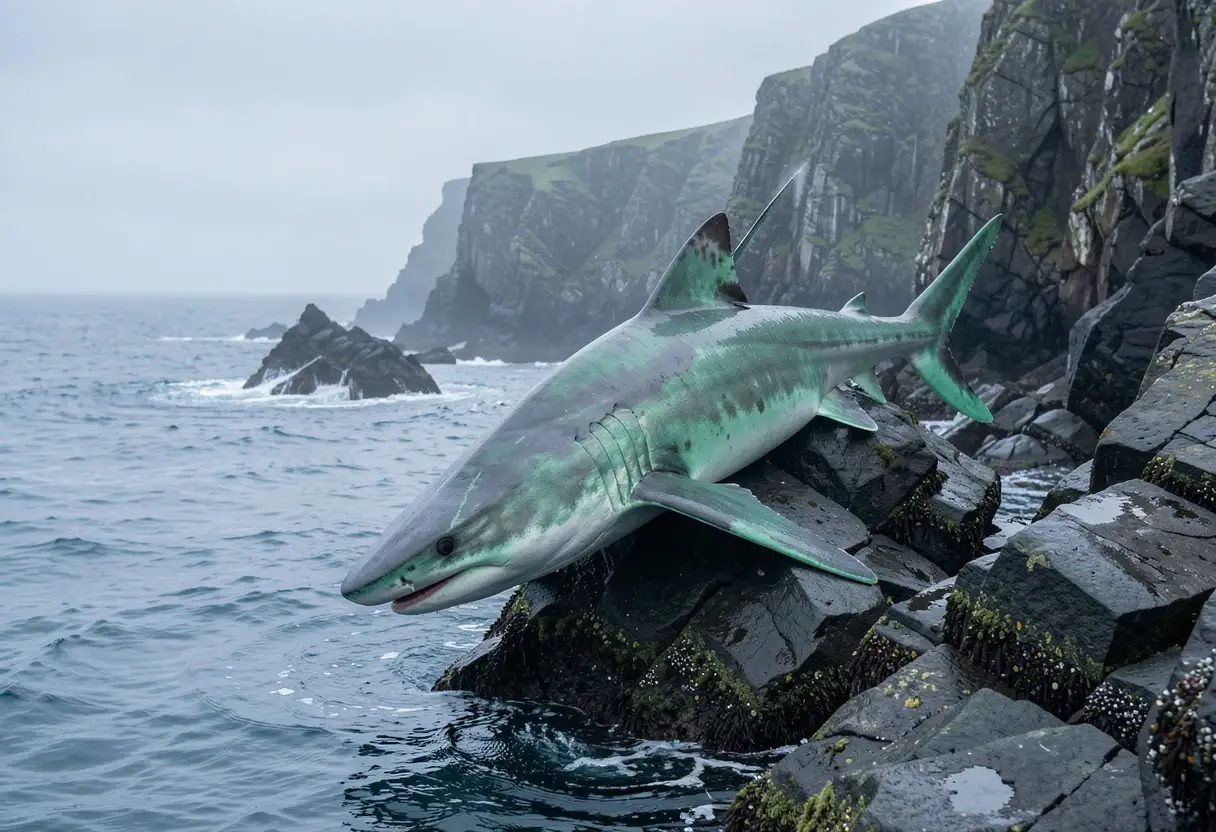
National Geographic has unveiled Pictures of the Year 2026, a collection of 25 photographs drawn from more than one million images its photographers made around the world. The portfolio spans the icy depths of Greenland to the mountains of Peru.
Across that range, the photographs join wildlife, human ingenuity and the ways people and animals navigate a changing planet. National Geographic frames the selection as moments of wonder, resilience and discovery rather than a catalogue of unrelated subjects.
What does the 2026 selection reveal?
National Geographic describes the photographs as revealing “the moments, discoveries, and untold stories that defined the past year.” The annual set therefore has a double task: preserve specific events while making an editorial argument about what mattered.
Choosing 25 photographs from more than one million captured images makes that argument visibly selective. The larger pool establishes institutional reach; the final count compresses a year of reporting into a portfolio able to hold scientific rarity, physical risk and human drama together.
The announcement calls the photographers’ “unmatched access and expertise” decisive to the collection. For practitioners, access functions as a working condition, not a decorative boast. The conditions disclosed later—nine months in Japan, a cliffside image just after a total solar eclipse and 28.4°F water—show what that access costs in practice.
What does the moray-eel sequence document?
Tony Wu spent nine months in the field in Japan before capturing what National Geographic identifies as the first-ever images of moray eels spawning in the wild. The duration separates the series from an opportunistic record of a single unusual moment.
Wu’s photographs document a reproductive event rather than merely present an unusual-looking animal. Nine months of field work establish sustained observation, while the first-ever claim gives the series consequence beyond novelty. The announcement supplies no field notes or independent corroboration for that claim, so its evidentiary weight rests on National Geographic’s own assertion.
A second standout image places a climber above the sea in Spain, suspended from a cliff just after a total solar eclipse. National Geographic leaves the photographer unnamed in its announcement, so the image should not become evidence of one maker’s eclipse technique.
What it does establish is a precise conjunction of human vulnerability, vertical terrain and rare celestial timing. Set against the moray-eel fieldwork and shark encounter, the climber gives the portfolio a second measure of access. Instead of months of biological observation, this picture compresses a fleeting alignment of person, cliff and eclipse into one exposure.
What does the Greenland shark image add?
Kiliii Yüyan photographed a Greenland shark in the 28.4°F waters of Ammassalik Fjord, Greenland. National Geographic calls this among the coldest conditions endured by one of its photographers in 2026, and identifies the shark as one of the planet’s longest-lived vertebrates.
That description redirects attention from generic marine spectacle towards the animal’s longevity and the difficulty of reaching it. The 28.4°F reading supplies material evidence of that difficulty, while Ammassalik Fjord fixes the encounter to a named place rather than an interchangeable underwater setting.
The three standouts disclose different forms of access rather than three variations on spectacle. Wu records concealed biological behaviour; the Spanish climber records human vulnerability against vertical terrain; Yüyan documents a long-lived vertebrate in severe cold. Together, they shift the portfolio from encounter photography towards the evidentiary conventions of natural-history image-making.
Why does institutional access matter?
The wider portfolio moves from Greenland’s icy waters to Peru’s mountains, joining discoveries with the remarkable ways people and wildlife navigate a changing planet. That broad claim supplies the collection’s institutional frame. National Geographic positions itself not simply as a distributor of attractive pictures, but as an organisation with sustained access to places and subjects.
The announcement explicitly ties the project to curiosity, discovery and the spirit of exploration, which it presents as distinct to National Geographic. Those are brand claims, and the 25 photographs must substantiate them through evidence. The selection’s clearest evidence lies in disclosed conditions: nine months in Japan, a total-eclipse aftermath in Spain, 28.4°F water in Greenland and a wild spawning event described as a first.
The announcement provides no camera settings or processing details, and readers should not infer them from dramatic results. The decisive variables it does name—time, place, temperature, access and expertise—each change what the photographs can register. For working photographers, sustained access alters the subject before any technical decision does.
The 25-image count matters editorially. More than one million captured images establish the scale of production around the globe, but the final portfolio makes each inclusion carry institutional weight. A moray-eel spawning record, an eclipse climb and a Greenland shark encounter do not illustrate one subject. Together, they expose the methods behind distinct forms of access.
National Geographic points viewers to Nat Geo Photos for further coverage, extending the 2026 package beyond the unveiling. Its next test is not whether the photographs remain spectacular, but whether those documented durations and extreme conditions can sustain the collection’s claim to discovery once immediate novelty recedes.
Key points
- The 2026 collection contains 25 photographs selected from more than one million captured images.
- Tony Wu spent nine months in Japan to capture the first-ever images of moray eels spawning in the wild.
- A second standout photograph shows a climber suspended from a sea cliff in Spain just after a total solar eclipse.
- Kiliii Yüyan photographed a Greenland shark in Ammassalik Fjord’s 28.4°F water, among the year’s coldest conditions for a Nat Geo photographer.
Original: natgeo.com
James Calloway
Show full bio
Market editor covering people, launches and day-to-day practice in Photography exhibitions, photographers, photo books, festivals and awards at Lens Gazette.