Jim Wehtje Turns the X-Ray Machine on Seashells
American photographer Jim Wehtje uses X-rays to expose the hidden internal architecture of seashells, plants and flowers — rendering familiar natural forms as translucent structures.
Updated
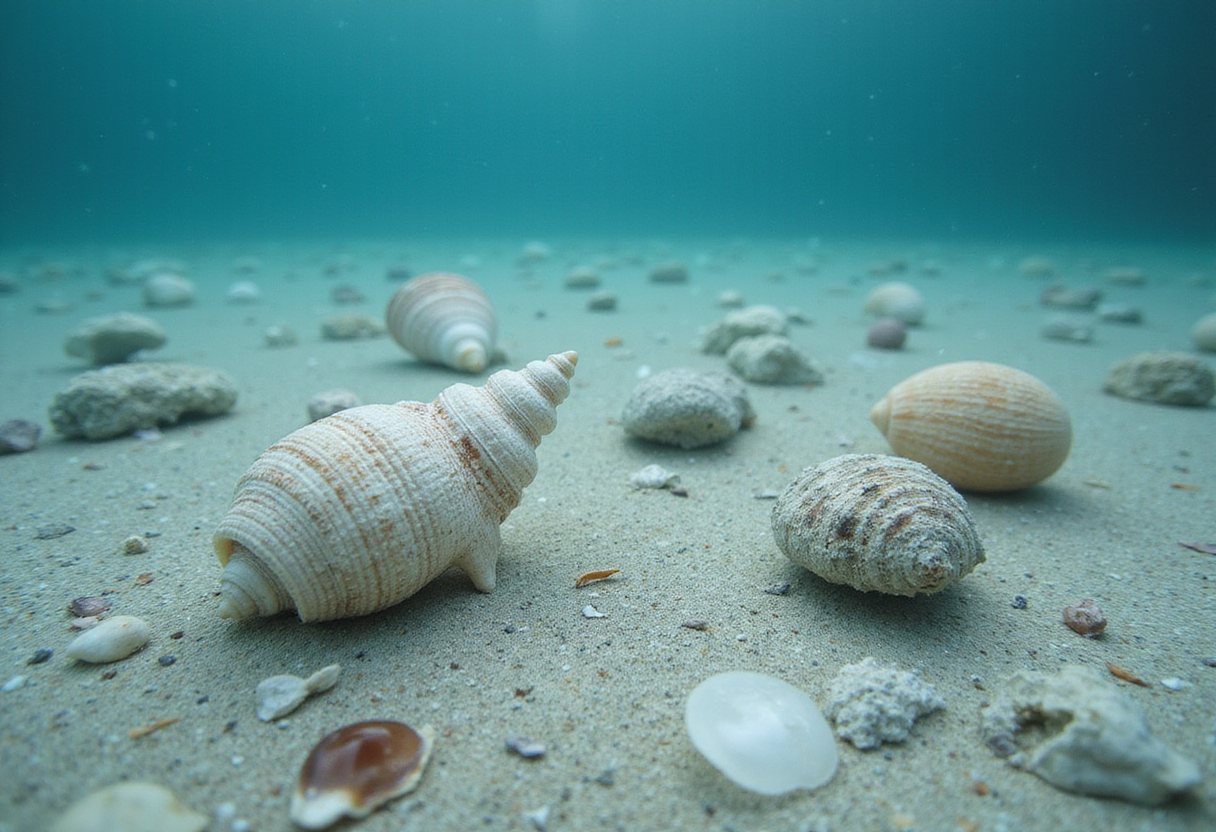
Photographer Jim Wehtje uses X-rays to reveal the hidden internal structures of natural objects, and seashells are the subject where his radiographic practice is at its most arresting.
Wehtje is an American photographer and radiographic artist whose working method substitutes the visible spectrum for ionizing radiation. Where a conventional photographer records light bouncing off a shell's exterior, Wehtje's images show what lies beneath that surface: the translucent architecture of the shell itself, its spiral chambers and internal partitions rendered as luminous ghost-forms.
The results, as seen in the composite views accompanying his work, are striking. Each image pairs two states of the same shell — the solid, opaque object familiar from any beach, and its X-rayed double, where calcium gives way to translucence and the interior geometry emerges. The transition between the two readings of the same specimen is the point: Wehtje shows both what we see and what we cannot.
Why seashells suit the X-ray?
Shells are natural candidates for radiographic treatment. Their spiral growth patterns, hidden when the animal is gone, become fully legible under X-ray. The technique exposes chambers, density gradients and structural supports that the exterior conceals entirely.
Plants and flowers form the other half of Wehtje's body of work. The same logic applies — stems, seed heads and petals appear as translucent scaffolds rather than surfaces — but the seashell images carry a particular force, because the shell's interior is not merely hidden but structural, a record of the organism's entire growth.
What distinguishes the work?
Wehtje's practice sits in a long tradition of photographers who have borrowed medical and scientific imaging tools for artistic ends. Radiography strips away color, texture and surface incident — the usual furniture of photography — and leaves only density and form. That constraint demands a different kind of composition: the artist cannot light his subject, only select it and position it between source and sensor.
In that sense, the work is closer to still life than to documentary. Each shell is chosen, arranged and rendered, and the drama comes from the object's own internal logic rather than from any intervention in the frame.
The appeal of these images is not gimmickry. The X-ray functions as craft in service of revelation, showing viewers a version of a familiar object that no amount of looking at the original would ever produce. A shell on a windowsill stays mute; Wehtje's shell speaks its own structure.
Where the work goes from here
Wehtje continues to build his radiographic catalog of natural forms, with seashells, plants and flowers as his established subjects. As the visibility of his images grows, the question is whether the seashell series — the most structurally dramatic of the three — becomes the defining core of the practice.
Key points
- Jim Wehtje is an American photographer and radiographic artist
- He uses X-rays to reveal hidden internal structures of natural objects
- His primary subjects are plants, flowers and seashells
- His seashell images transition from solid shell to translucent X-ray views of the same specimen
Original: jimwehtje.photoshelter.com
Daniel Okafor
Show full bio
News editor covering consumer brands and retail at Lens Gazette.