In-N-Out Orders Photographer to Pull Viral High School Football Photos
In-N-Out demanded a high school football team pull viral photos shot by a pro photographer at a local restaurant, and the team complied — the latest brand takedown to hit working shooters.
Updated
In-N-Out has forced a high school football team to remove a series of viral images from circulation — photographs taken by a professional photographer at one of the chain's local restaurants.
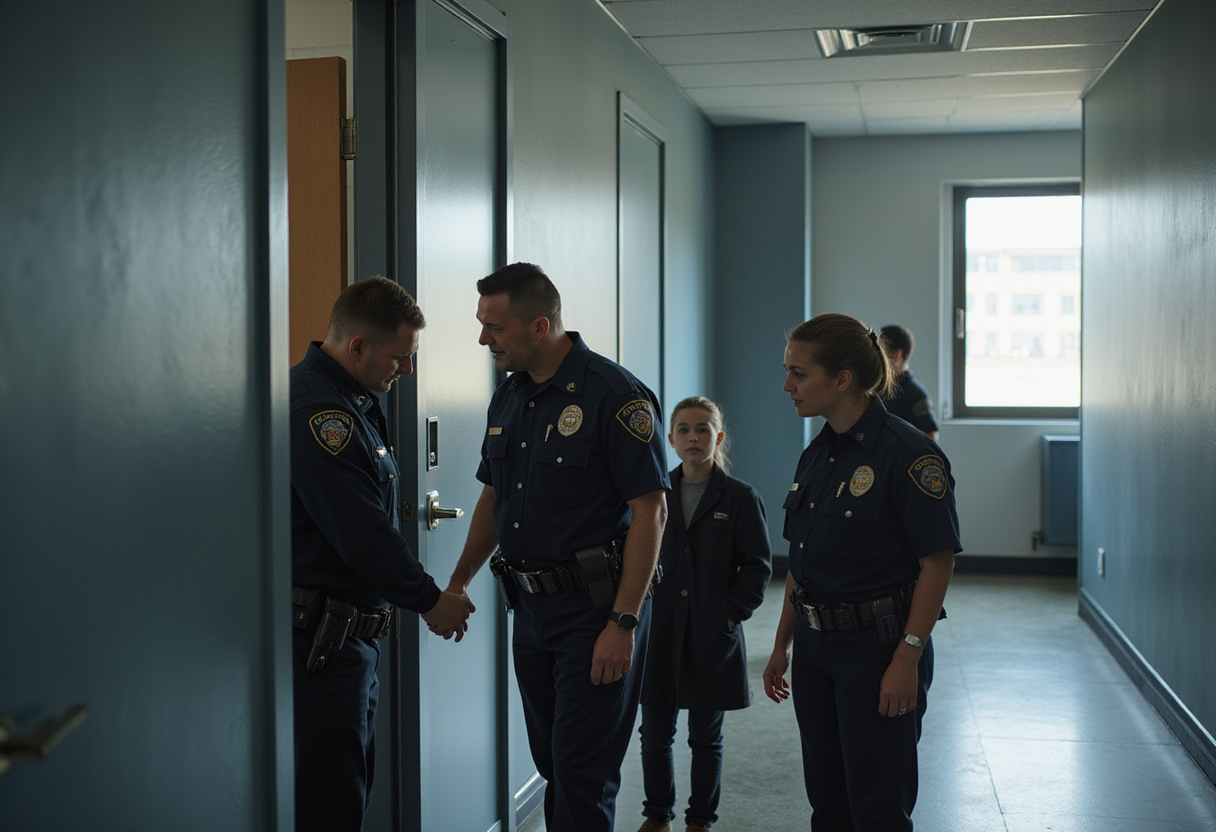
The images, which spread widely online, show members of the team at the restaurant. The precise content of the series and the reasons the pictures resonated with the public are easy to guess: high school athletes, a beloved regional burger institution, and the kind of candid interplay between the two that thrives on social platforms. What matters here is not the aesthetic of the pictures but what happened after they went viral. The company demanded their removal, and the team complied.
That demand places a familiar tension in sharp relief. A photographer made pictures in a semi-public commercial space. The subjects — school-age players — presumably welcomed the attention. The venue's branding appeared in the frame, as branding inevitably does when a shoot happens inside a restaurant. And then the corporation whose storefront served as the backdrop asserted control over the resulting images.
For working photographers, the scenario is a case study in how little protection virality offers. A series that found its audience — that succeeded, by every measure available to a freelance or commissioned shooter — was undone not by editorial judgment but by a legal demand from a brand with vastly greater resources. The photographer's name has not surfaced in the reporting on the incident; the professional consequence, however, is concrete. Work that could have functioned as a portfolio centerpiece or a commissioning calling card now exists only in fragments and reposts.
The episode also illustrates the asymmetry of trademark enforcement as it touches photography. Buildings, signage, and logos enter pictures lawfully every day. News photography, street photography, and documentary work depend on that fact. Yet when an image circulates widely enough to look, from the brand's perspective, like unauthorized commercial association, cease-and-desist letters follow. The photographer of a high school football team has little practical standing to resist one.
There is a further institutional wrinkle. The team, not the photographer, appears to have borne the immediate burden of compliance — a reminder that subjects and image-makers often face pressure together when a corporation objects to a photograph. Young athletes lost a record of a moment that plainly meant something to their community; the photographer lost the visibility the work had earned.
Whether In-N-Out will comment publicly on the demand, or whether the photographer will contest the removal in any form, remains to be seen. For now, the images survive only in the residual copies that takedown requests never quite erase — a scattered, unauthorized archive of a series a brand decided should not exist.
Key points
- In-N-Out demanded the removal of a series of viral images of a high school football team taken by a professional photographer at a local restaurant.
- The team complied with the removal demand.
- The photographer was a professional; the images were shot at an In-N-Out location and went viral before the takedown.
Original: instagram.com
Grace Kim
Show full bio
Senior reporter covering consumer brands and retail at Lens Gazette.