George Eastman Museum Workers Vote to Unionize
Workers at Rochester's George Eastman Museum have voted to unionize, bringing collective bargaining to one of the world's premier photography institutions.
Updated
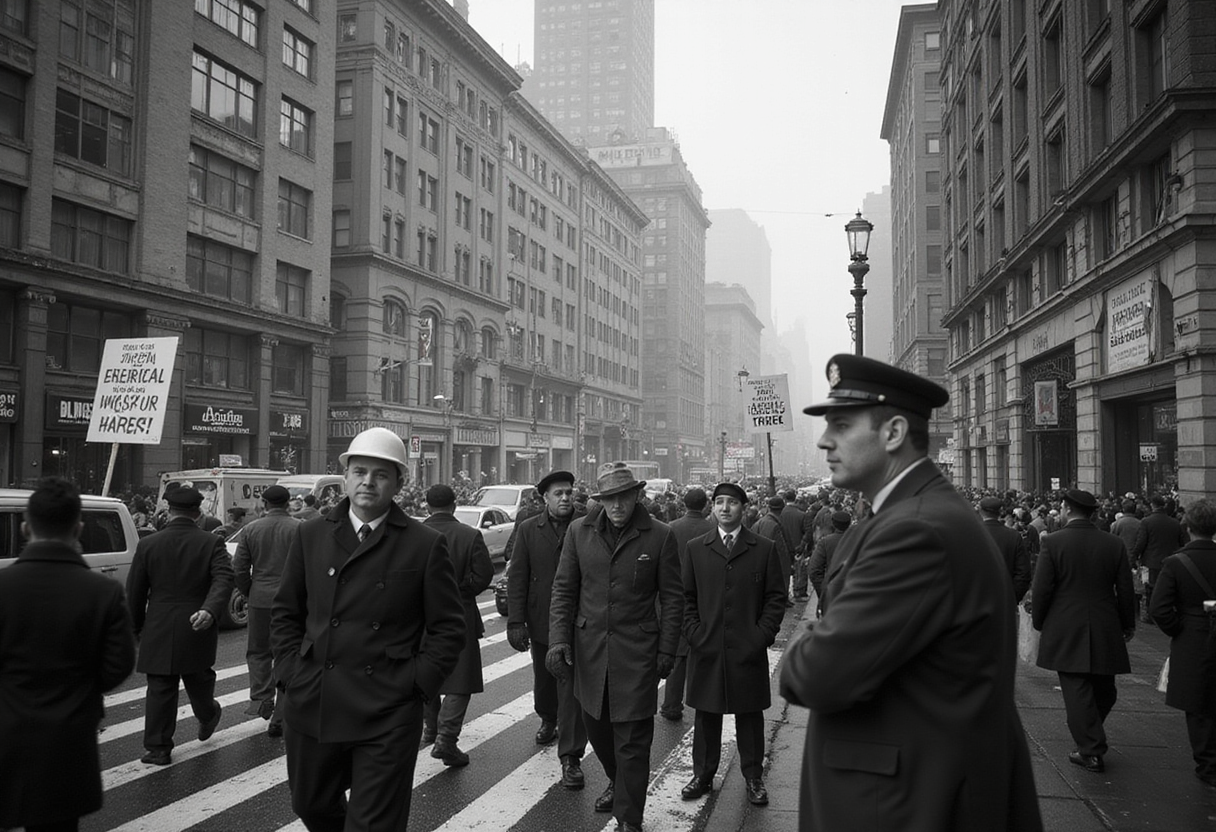
Workers at the George Eastman Museum in Rochester, New York, have voted to unionize, the Rochester Beacon reports — a decision that brings one of the world's leading photography and cinema institutions into the growing movement of museum staff seeking collective representation.
The vote marks a significant turn for the museum, which holds one of the oldest and most comprehensive collections of photography and film anywhere. Founded in 1947 on the estate of Kodak founder George Eastman, the institution has long served as a scholarly anchor for the history of the medium, housing holdings that trace photography from its earliest daguerreotypes through contemporary practice.
What does the vote change?
The outcome means the museum's staff will now move toward negotiating a first contract as unionized employees. The specifics of which unit the workers have joined, the exact vote count, and the timeline for bargaining were not detailed in the initial report, and those particulars will shape how quickly the decision translates into concrete workplace changes.
What the result does establish, unambiguously, is that a majority of participating workers favored collective representation. Across the American museum sector, that preference has increasingly shifted from exception to norm, as curators, registrars, educators, and visitor-services staff at major institutions have organized in recent years.
Why does this matter for a photography institution?
A union drive at the George Eastman Museum carries symbolic weight beyond Rochester. The institution occupies a singular place in photographic history: it operates on the estate of the man whose company put roll film and cheap cameras into millions of hands, effectively democratizing photography itself in the late nineteenth and early twentieth centuries.
That labor legacy adds a layer of resonance to the vote. The Eastman Kodak Company was once famous for its own employment practices — profit-sharing, steady wages, and a paternalistic model that made Rochester a bellwether of industrial relations for much of the twentieth century. Workers at the museum bearing Eastman's name now asserting collective bargaining rights extends that history of labor negotiation into the nonprofit cultural sphere that Kodak's decline left in its wake.
A sector-wide shift
The Rochester vote fits a broader pattern. Museum workers across the United States have organized at a striking pace in recent years, citing concerns over pay, job security, and working conditions in institutions whose endowments and attendance often fluctuate unpredictably. Art museums, science centers, and historic houses alike have seen staff form units, frequently under national unions with established cultural-sector experience.
For the workers involved, the practical stakes are conventional: wages, benefits, scheduling, and a formal voice in institutional decisions. For the museum's leadership, the result initiates a legal and administrative process that will require good-faith bargaining with the newly certified unit.
What comes next?
The immediate road ahead involves certification of the results and the start of contract negotiations — typically the longest and most contentious phase of any organizing campaign, and the point at which the practical meaning of the vote will become clear. First contracts in the museum sector have sometimes taken a year or more to reach.
The Rochester Beacon's report signals that further details on the vote tally and the composition of the bargaining unit can be expected as the process moves forward. For an institution devoted to preserving the history of how images are made, distributed, and valued, the vote ensures that the conditions of the people who do that preserving will now be negotiated at a collective table.
Key points
- Workers at the George Eastman Museum in Rochester, New York, voted to unionize.
- The vote was reported by the Rochester Beacon.
- The museum was founded in 1947 on the estate of Kodak founder George Eastman.
- The result initiates certification and first-contract negotiations.
- The vote aligns with a broader wave of museum-staff union drives in the United States.
Source: Google News: photography museum
Olivia Hart
Show full bio
Staff writer covering industry trends and analytics at Lens Gazette.