Frye Art Museum evaluates four arts-and-health programmes
After 17 years serving older adults with memory loss, Seattle’s Frye evaluates four programmes using a common wellbeing framework and plans deeper arts-and-health work in 2027.
For 17 years, Seattle’s Frye Art Museum has served older adults experiencing memory loss; now it is evaluating four arts-and-health programmes against a common wellbeing framework.
The museum uses the Art Bridges Foundation’s Art + Wellness Toolkit, whose validated measures cover four domains: social, emotional, cognitive and physical wellbeing. The Frye is adding the toolkit’s terminology to programme materials and developing surveys based on its standardised measures.
The Art Newspaper reports that museum programming across the United States has increasingly connected art with health and wellbeing, especially through programmes for people living with memory loss. Evaluation has proved less straightforward.
Caregiver accounts can omit the perspective of the person experiencing cognitive decline, so the Frye combines in-the-moment observation and feedback with formal surveys rather than relying on the latter alone.
What does the Frye measure?
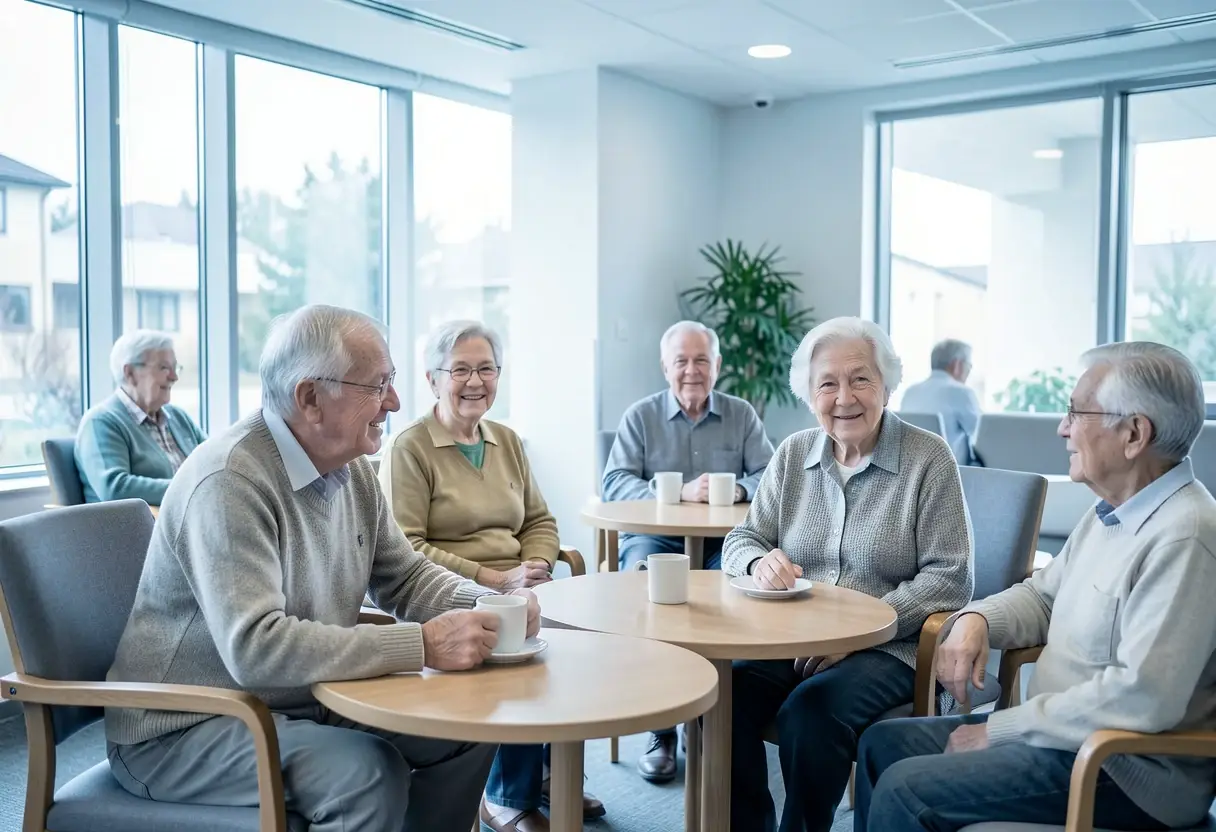
The museum sits in Seattle’s First Hill neighbourhood, amid medical centres and senior-living facilities. Its Creative Aging programme began with a former employee’s experience caring for her mother with dementia and has since expanded to reach broader communities of older adults.
A recent expansion adds gallery-based experiences and hands-on artmaking in partnership with the University of Washington’s Memory and Brain Wellness Center. Separately, each quarter the Frye hosts medical residents, students and teaching professionals from nearby hospitals for a programme designed to develop perspective-taking and empathy.
The question extends beyond what participants report to how institutions define public value. A recent call published in The Lancet urges the sector to translate growing evidence of the arts’ health benefits into more equitable access, stronger healthcare partnerships and research into how programmes work in practice.
Susan Magsamen, founder and executive director of the International Arts + Mind Lab at the Johns Hopkins University School of Medicine, sees this as a chance to expand museums’ public role. She compares the growing integration of health and wellbeing with education’s emergence as a core museum function in previous decades.
Magsamen told The Art Newspaper: “Beyond things like attendance, revenue and membership, we need to think about a scorecard. What is the institutional performance and public benefits?” She describes art as a superpower the field has forgotten and museums as institutions that support human thriving and flourishing. Lea Lovelace, the Frye’s associate director of creative aging programmes, calls the toolkit’s common language valuable as art-and-wellbeing programmes expand.
Who counts when people stay away?
Jill Sonke, a co-author of the Lancet study, wants museums to measure behaviour and patterns of engagement so that vulnerable groups can reach the arts and their health benefits. “Institutions need to also measure who’s not coming,” she says, “why they don’t see themselves in the programming.”
That includes absence as evidence, not an administrative inconvenience. Sonke also warns against evaluation instruments built to confirm the outcome institutions hope to find. She wants objective, open measures capable of showing the experience of the people programmes seek to serve.
Assessment itself can carry a cost. Sonke questions whether additional testing is always warranted and argues that, where evidence already exists, imposing an assessment burden lacks ethical justification. For the Frye, the tension is practical. Tamar Benzikry, its director of learning and engagement, calls evaluation a balancing act and warns that survey fatigue can leave the museum with incomplete answers from burnt-out participants.
Common language should not become common drudgery. Sonke wants relationships that normalise conversations between museums and public-health practitioners in both directions. The Frye always works with community leaders to identify barriers to participation and strengthen links among the museum, public health and healthcare.
Where does the work go next?
Next May, the Frye’s team plans to share its experience at a convening of museum professionals. It also intends to incorporate arts and health more deeply into its 2027 exhibition programme, with two planned activities already outlined:
- Gallery-based creative movement inspired by works of art and led by a physician who is also a trained dancer.
- Folklore-inspired slow-looking and storytelling sessions led by a professional storyteller trained in gerontology.
The Frye’s next test is whether common evidence can widen access without asking the people it serves to carry the paperwork.
Key points
- The Frye has served older adults experiencing memory loss for 17 years.
- The museum is evaluating four programmes with the Art Bridges Foundation’s four-domain Art + Wellness Toolkit.
- Its quarterly programme brings medical residents, students and teaching professionals from nearby hospitals to the Frye.
- The team plans to present its experience at a museum-professional convening next May.
- The Frye will deepen arts and health within its 2027 exhibition programme through physician-led movement and gerontology-trained storytelling.
Source: theartnewspaper.com
Olivia Hart
Show full bio
Staff writer covering people, launches and day-to-day practice in Photography exhibitions, photographers, photo books, festivals and awards at Lens Gazette.