Florida Man Jailed Over AI Image Depicting Sheriff Fleeing
A Florida man is behind bars after sharing an AI-generated image of a sheriff fleeing a tactical team, one day after a similar AI-image prosecution in Singapore.
Updated
A Florida man now sits behind bars after sharing a synthetic image — a case that lands barely a day after another AI-image prosecution, this one on the other side of the world.
On September 29, PetaPixel reported that a man in Singapore faces up to 10 years in jail for posting an AI-generated image of a crocodile. The Florida case, reported the following day, extends the same legal logic onto American soil.
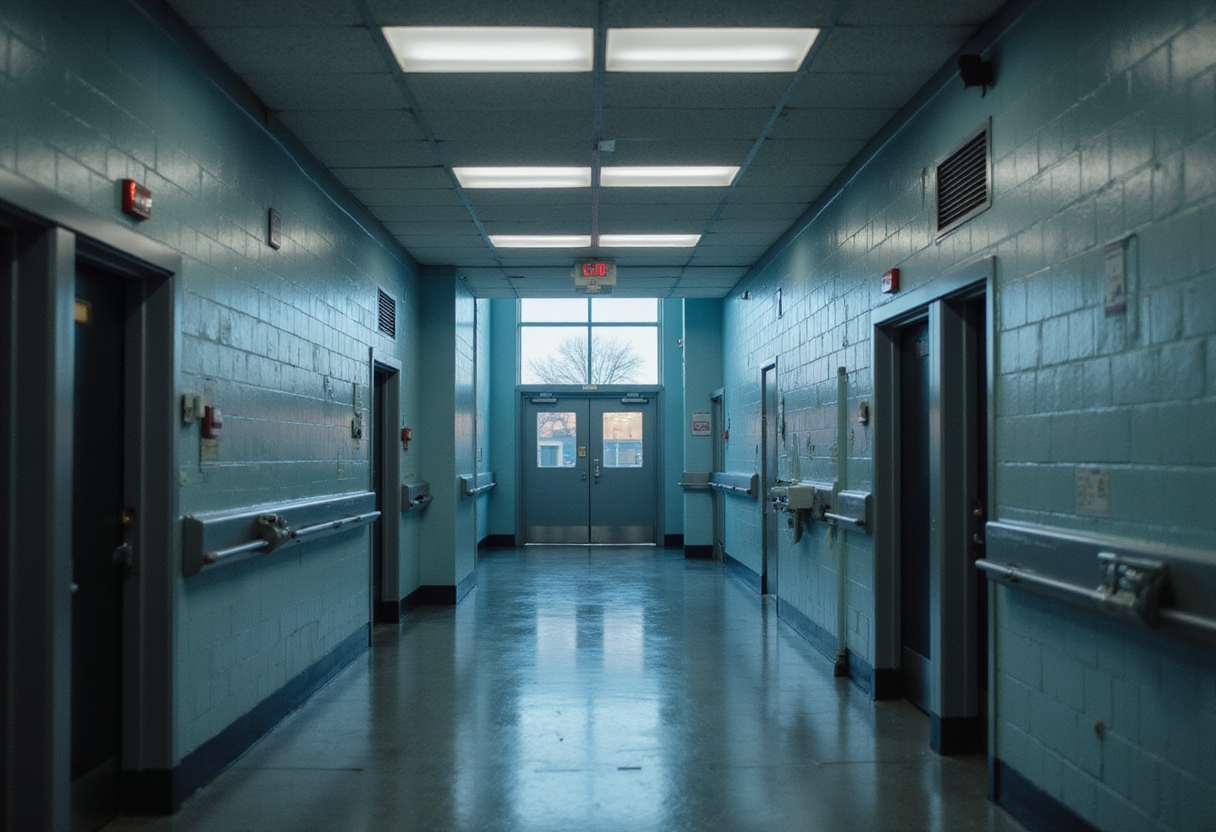
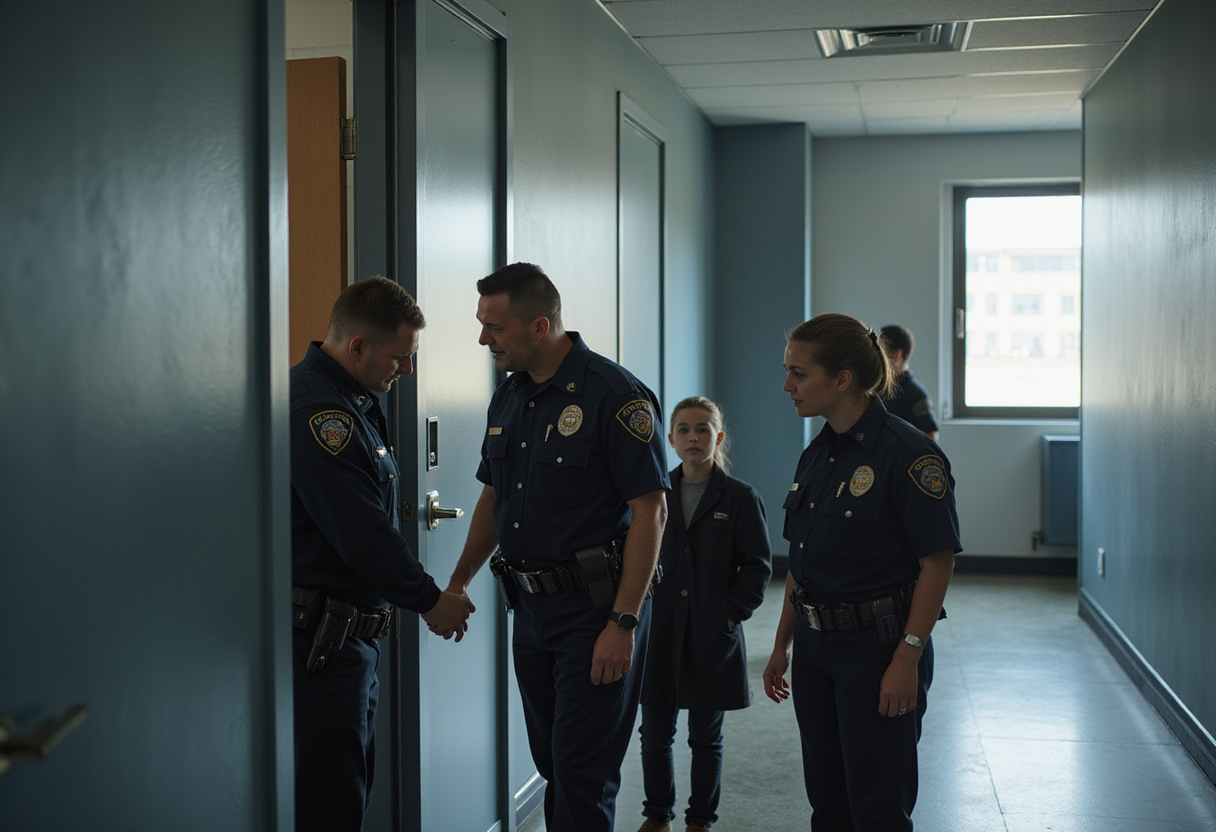
The image at the center of the Florida charge shows a law enforcement officer running away from a scene, with a tactical team visible in the background. According to the charge, the picture constitutes a threat against a sheriff. The man shared the fabricated image rather than making a verbal or written threat; prosecutors treated the synthetic depiction itself as the threatening act.
The pairing of the two cases is telling. One involves an absurd animal image in Southeast Asia, punishable by a decade in prison. The other involves an image of police in the United States, punished with immediate arrest. Both treat the generated image not as a harmless fabrication but as an act with legal consequences — a threshold that has arrived faster than most photography institutions have reckoned with.
For photographers, the cases mark a strange inversion. For nearly two centuries, the photograph's cultural authority rested on its mechanical indexicality: the light that struck the film had been present at the scene. Generative models severed that link, and courts are now constructing new frameworks to decide what a fabricated image does rather than what it is. Threatening a sheriff is a crime whether committed with a pen, a phone call, or a diffusion model's output.
The Florida image is crude in its construction — a smartphone-scale composite of an officer in flight — but crudeness has never been a legal defense. What matters to prosecutors is the intent conveyed and the target identified. The Singapore case suggests the same reasoning applies even when the subject is a crocodile and the apparent harm is far harder to identify.
These prosecutions will not be the last. As generation tools proliferate and detection lags, law enforcement agencies on at least two continents have shown they will reach for existing criminal statutes — threat laws, deception laws — rather than wait for legislation written specifically for synthetic media.
Where this heads next is the open question. If a shared AI image can put a Florida man in a cell and cost a Singaporean a decade of freedom, then the legal status of the synthetic photograph is no longer an abstract debate for photojournalism's ethicists — it is a live instrument of prosecution, and its next test case is likely already being generated.
Key points
- A Florida man was arrested and charged for sharing an AI-generated image deemed a threat against a sheriff.
- The synthetic image showed a law enforcement officer running away from a scene with a tactical team in the background.
- The case came one day after PetaPixel reported a Singapore man faces up to 10 years in jail for posting an AI-generated crocodile image.
Original: gulfcoastnewsnow.com
Daniel Okafor
Show full bio
News editor covering consumer brands and retail at Lens Gazette.