Eastman Museum opens exhibition on photography's pedagogy
The Eastman Museum in Rochester has opened an exhibition treating photography pedagogy itself as subject matter. The show argues that craft is inherited rather than invented.
Updated
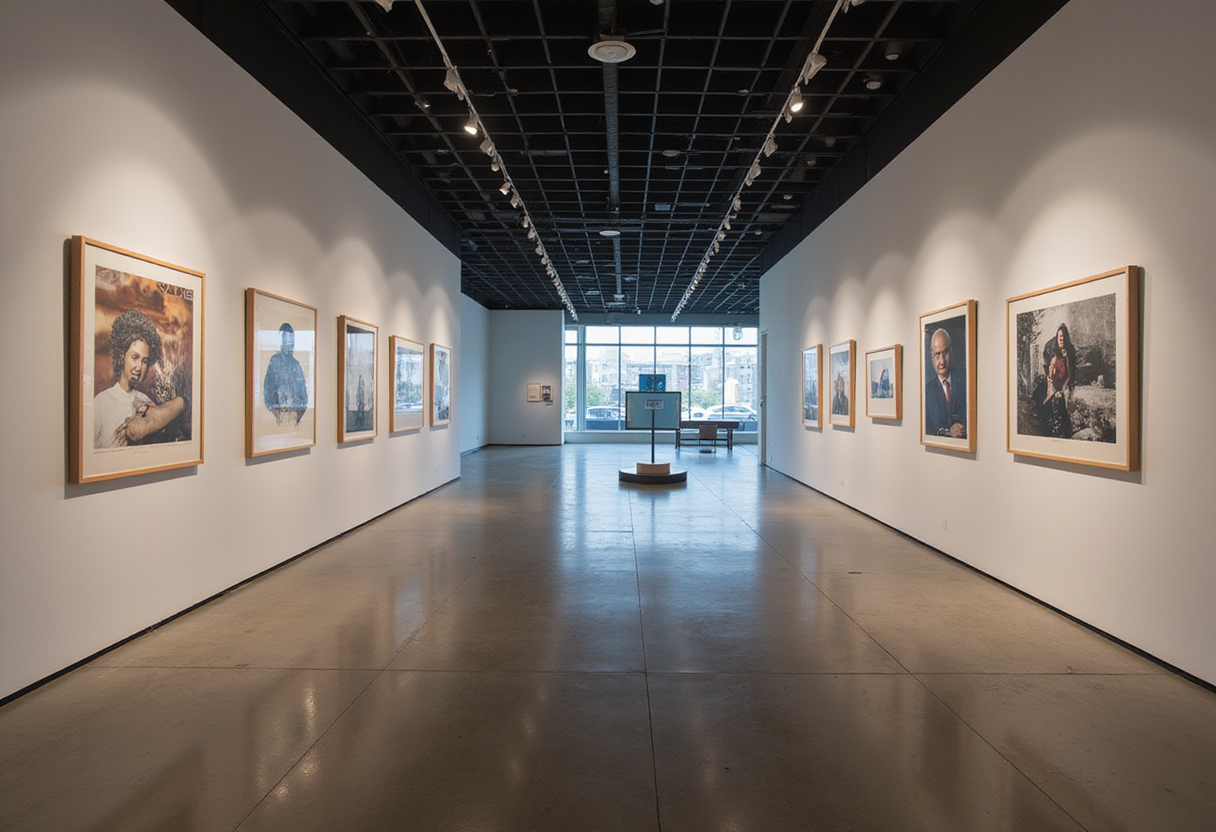
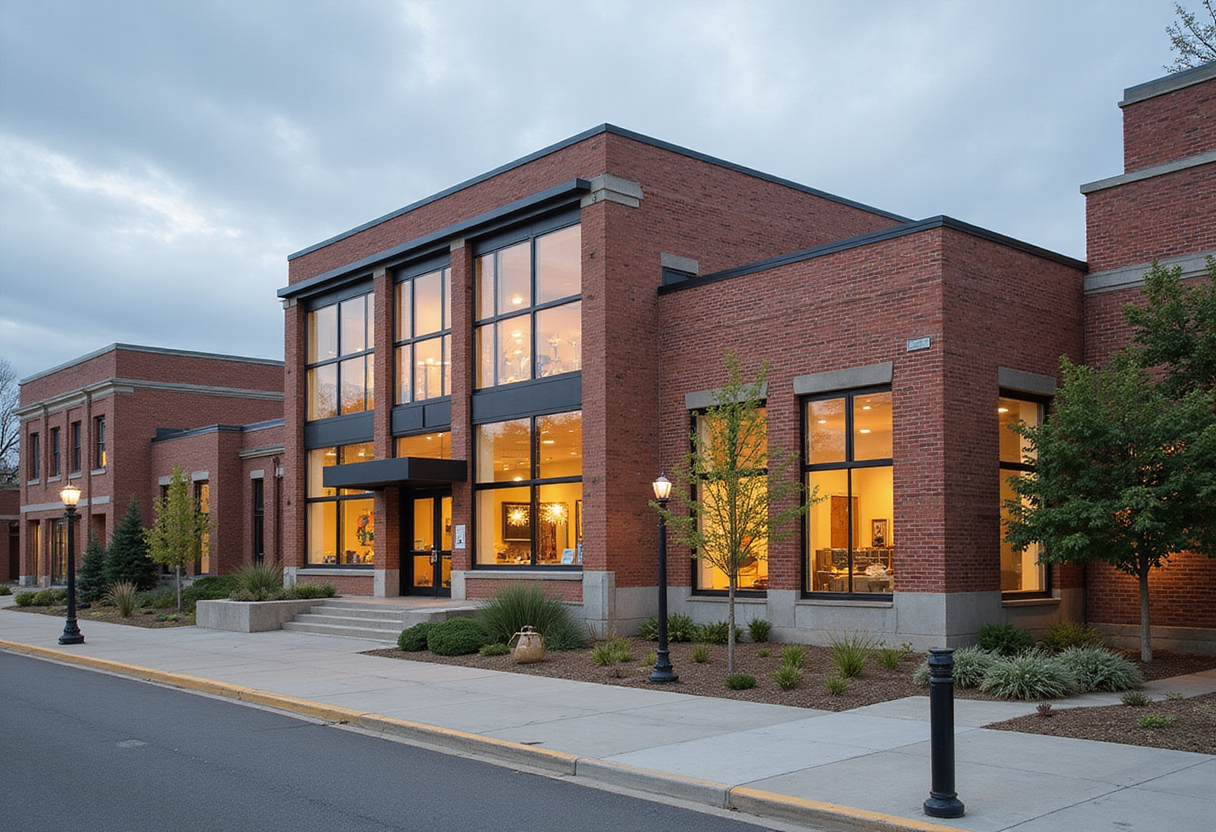
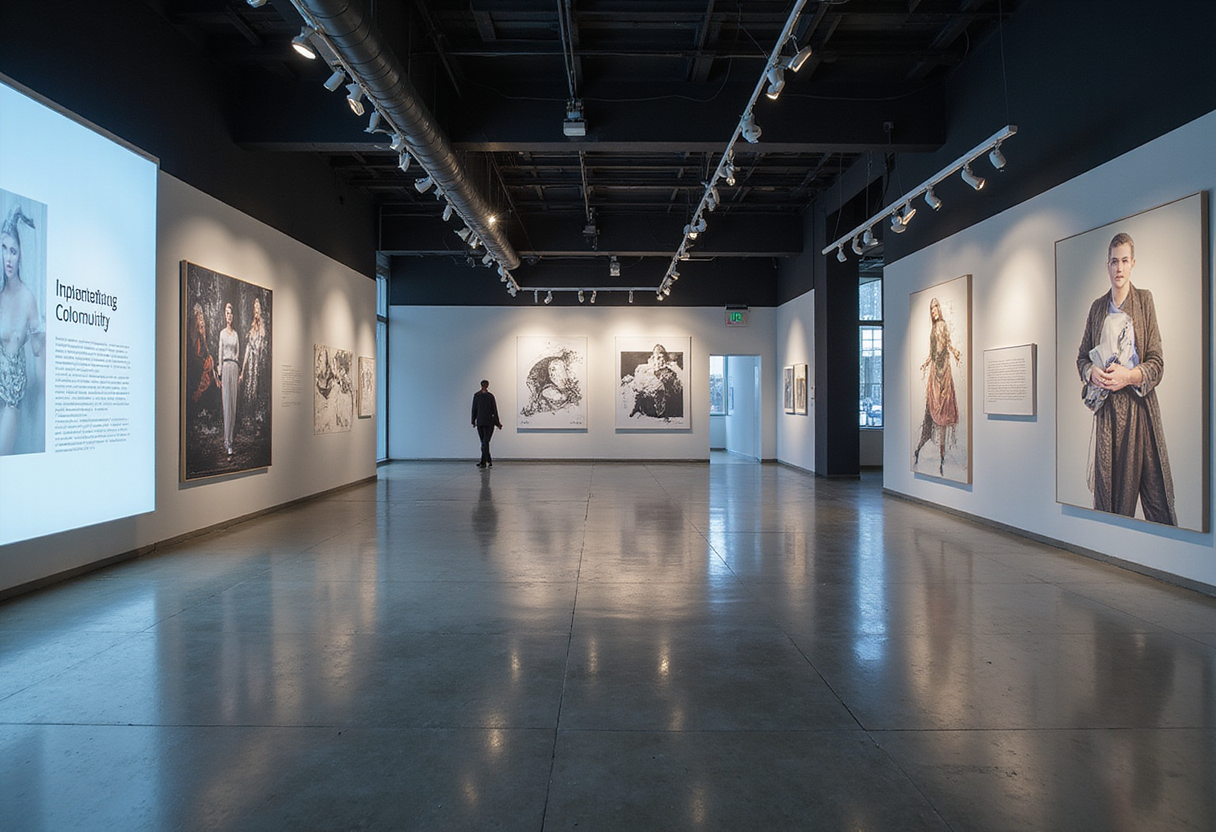
The Eastman Museum has opened an exhibition examining how photography has been taught and passed between generations of practitioners. The show treats pedagogy itself as a subject of study.
This framing marks a notable move for the institution. The museum, founded as a memorial to industrialist George Eastman in Rochester, New York, has long served as a custodian of photographic artifacts. It houses one of the largest film and still photography archives anywhere. Now it turns its attention to the question of how craft is inherited.
What does the show actually argue?
The exhibition posits that photography is a transmitted skill. Every working photographer learned from someone or something. The sources of instruction include other practitioners, textbooks, workshops, and, more recently, online tutorials.
The show gathers materials that document these transmissions:
- Teaching portfolios from studio apprenticeships
- Correspondence between mentors and students
- Course syllabi from twentieth-century art schools
- Amateur club newsletters that circulated technique
- Workshop manuals and instructional pamphlets
Together, the assembled materials form an argument that craft survives through contact, through shared work, and through the simple act of looking together. The objects on view are not finished works of art but instruments of instruction.
The exhibition, in short, treats inheritance as content.
Why does pedagogy matter to photography specifically?
Photography occupies an unusual position among the visual arts. Its tools are mechanical. Its results are reproducible. Its history is shorter than painting or sculpture by several centuries.
These conditions have produced a teaching culture that leans heavily on demonstration and reproduction. A student can copy a print almost exactly. A mentor can mail a contact sheet across the country. Photography's reproducibility means the student does not merely study the master but inherits the very surfaces of instruction as part of their working materials.
The show foregrounds this material quality. Teaching aids are themselves photographs or photographic reproductions. The lesson travels through the very medium it describes.
Pedagogy, in other words, is part of the medium itself.
How does the exhibition sit within the museum's larger program?
The Eastman Museum holds one of the most comprehensive photography collections in the world. Its galleries have historically prioritized individual photographers and discrete technological movements. Its holdings run from the daguerreotype era to the digital present.
A show about pedagogy represents a methodological shift. The unit of analysis is no longer the single image or the singular artist. It is the relationship between practitioners across time.
This shift aligns the museum with a wider curatorial conversation. Several major institutions have recently mounted exhibitions treating photography as a network rather than a succession of masters. The Eastman show contributes to that developing inquiry. It signals that the museum sees value in studying the connective tissue between photographs, not only the photographs themselves.
What remains unclear from the announcement?
The museum has not yet released a full list of lenders or accompanying programming. The opening date, closing date, and curator of record are likewise not specified in the public materials available at the time of writing.
These details will matter. A show about transmission requires careful attention to provenance. Each artifact must be traced to a chain of custody. The institutional details, when they arrive, will shape how the exhibition is read.
Where does the work head from here?
The exhibition arrives at a moment when photography education itself is changing. Universities have cut dedicated photo programs. Online platforms have replaced the studio assistant. The mentor-apprentice model has frayed.
The museum's intervention suggests that institutions see value in documenting what may be lost. Whether the show will travel, spawn a publication, or seed further research remains to be seen. The forward motion, for now, is in the gallery.
Key points
- The Eastman Museum in Rochester, New York, has opened an exhibition examining how photography has been taught across generations.
- The show gathers teaching portfolios, mentor correspondence, art school syllabi, and workshop manuals as its primary evidence.
- The institution holds one of the largest film and still photography archives in the world.
- No opening date, closing date, curator of record, or lender list has been specified in the public announcement.
- The exhibition treats photographic craft as inherited knowledge transmitted through contact rather than individual invention.
Source: Google News: photography museum
Grace Kim
Show full bio
Senior reporter covering companies, deals and strategy in Photography exhibitions, photographers, photo books, festivals and awards at Lens Gazette.