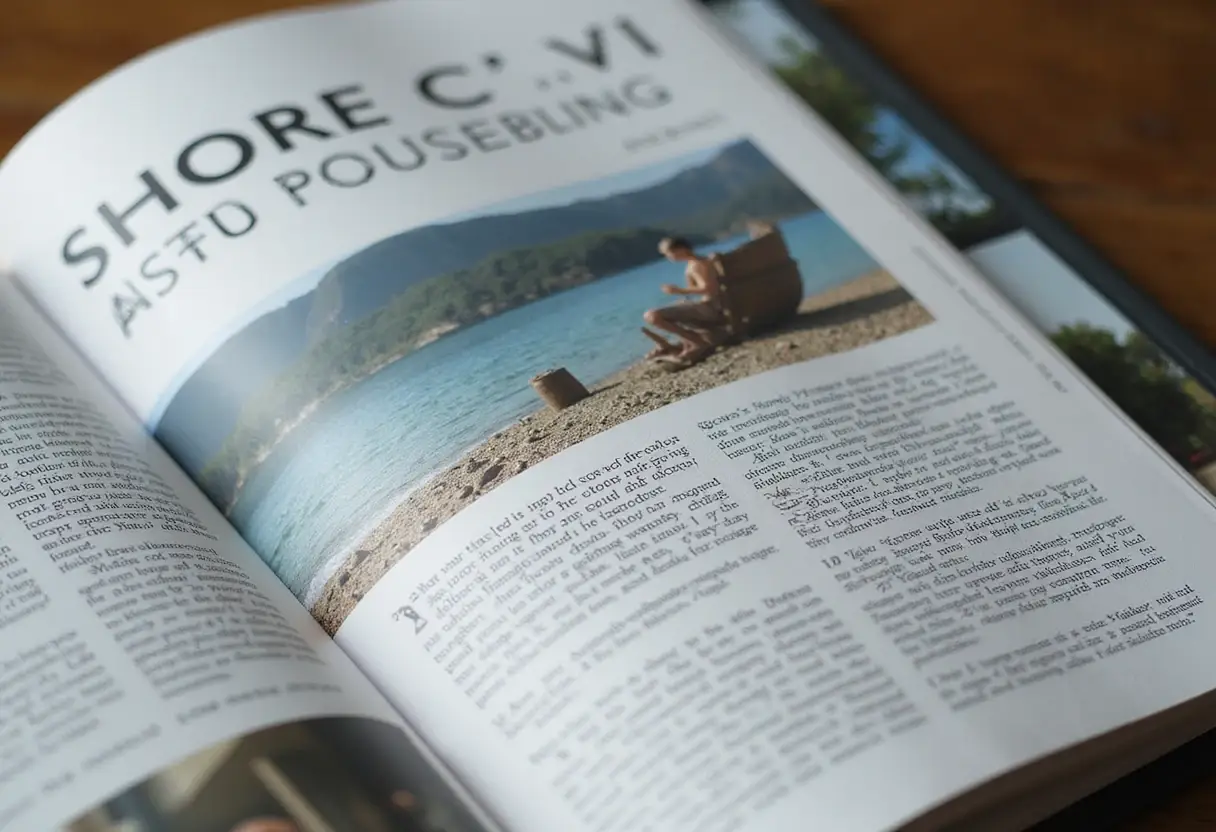
Colin McPherson's Catching the Tide nets three decades of Scotland's vanishing salmon fishers
Colin McPherson's Catching the Tide, published by Dewi Lewis, distils 30 years and some 1,000 images of Scotland's salmon net fishers, an industry moribund since the 2016 netting ban.
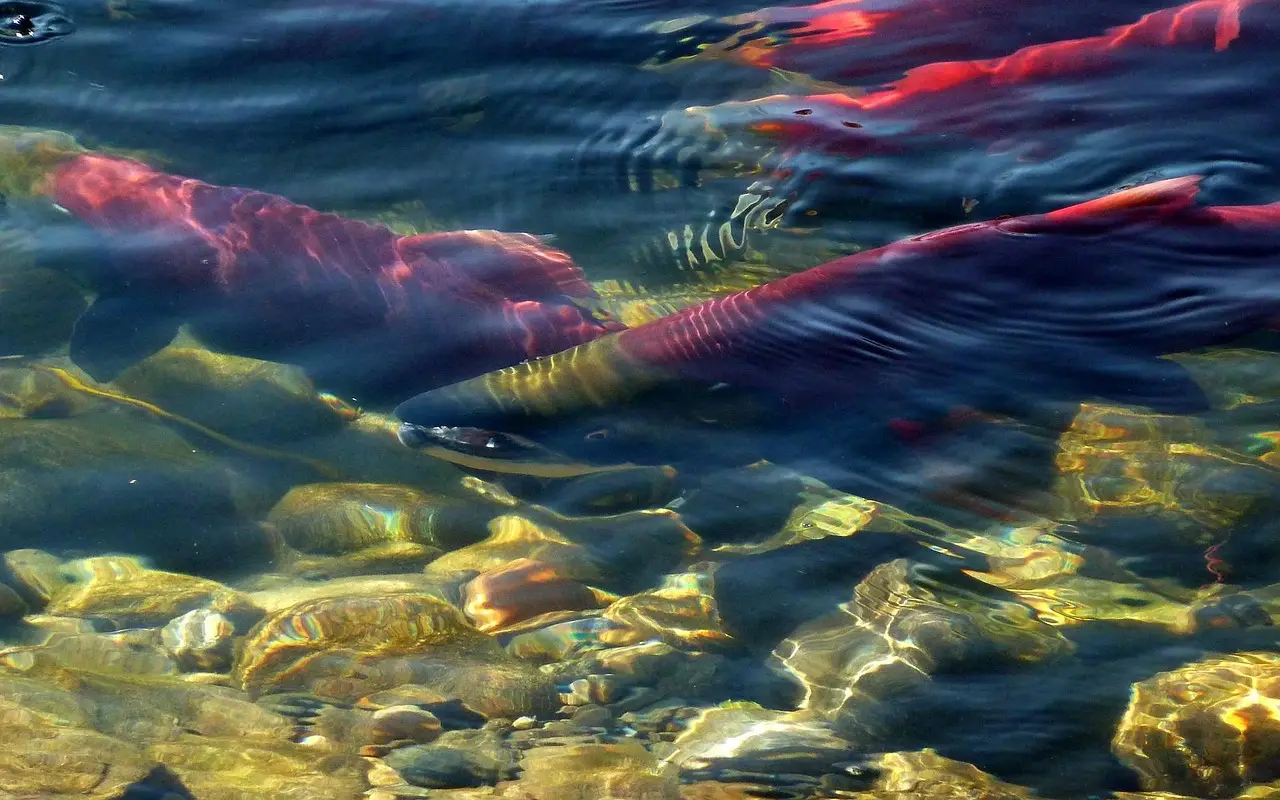
Thirty years of photography have produced a record of an industry on the brink of extinction: Colin McPherson's Catching the Tide: Salmon Net Fishing in Scotland is published by Dewi Lewis, and it documents salmon netting from the 1990s collapse to a present where only a handful of fishers still work Scotland's coasts.
The scale of the project is considerable. What began, McPherson says, with a few photographs of a stake net being fished on the beach at St Cyrus in Aberdeenshire has grown into roughly 1,000 edited images, plus film footage and interviews with the fishers themselves. The book is a lyrical tribute — his phrase and the publisher's framing — to the skill and courage of men whose way of life stretches back generations and has all but disappeared from Scotland's coastal communities.
What happened to the industry?
It was once large. "It was once a thriving industry which employed thousands seasonally around the country's long and varied coastline, supplying wild Atlantic salmon to customers and clients at home and abroad," McPherson writes. For centuries, fishers used traditional methods to intercept the "king of fish" in estuaries, on beaches and in rivers as the fish returned each year to their native breeding grounds.
The laws dictating where, when and how salmon could be caught and sold date from the 19th century, and the system, regulated in the early 1900s, remained essentially unchanged for almost 150 years. Over that century, tens of thousands of men — it has always been an almost exclusively male occupation — made a seasonal living at fishing stations in every coastal community.
Then came the decline. By the mid-1990s, a mix of economic and environmental pressures had put the industry in sharp retreat: salmon businesses and netting stations were bought out and closed to preserve stocks and protect lucrative angling interests, while cheap farmed fish, river pollution and climate change all took their toll. "Netting stations were to be found in villages, towns and even cities on the coast, satisfying a demand for a premium product," McPherson notes. That demand moved elsewhere.
What does the book actually show?
The images range across three decades and the full Scottish coastline, and they name names. Simon Paterson and his son James work the bag nets at Strathy fishing station in Sutherland, 2007. James Mackay sets off in his coble at Armadale, Sutherland, in 2003; in another frame he watches his son Neil box a newly caught wild Atlantic salmon. Jim Mitchell and Bob Ritchie fish a "jumper" net through a hailstorm at Kinnaber, Angus, in 2000 — weather as a working condition, not a backdrop.
Several photographs record the physical labour of the trade: netters guiding stakes into holes on the foreshore at low tide to build the fly net on the rocks at Boddin, Angus, in 1998; a team battling the incoming tide to secure poles with ropes at the same spot in 2000; Ian Falconer steering a coble out to empty bag nets off Boddin. Others carry the elegiac weight the project invites: Sandy MacLachlan standing outside the bothy at the former Cuil Bay netting station on Loch Linnhe in 2022, four years after his station closed in 2018.
Who still fishes today?
The legal endgame arrived in 2016, when the Scottish government, following scientific advice, placed a moratorium on catching wild Atlantic salmon with interceptory nets — a ban that excludes sea trout and, as things stand, looks set to continue indefinitely. Netsmen who persisted had already faced growing restrictions on when they could fish.
A few persist on principle. A group of haaf netters on the Solway Firth near Annan, Dumfries and Galloway — Tony Turner among them, photographed at work in 2000, with two fishers pictured entering the firth's waters on the first day of the 2026 season — still exercise a historic right, treating it as the preservation of a custom dating back generations rather than a living.
For McPherson, the whole enterprise has been a race against time: a way of fishing once woven into the fabric of coastal Scottish life, documented just before the weave gave out. With the moratorium open-ended and the practitioners dwindling, Catching the Tide now stands less as journalism than as an archive — one that will likely grow more valuable, and more final, with each passing season.
Key points
- Catching the Tide: Salmon Net Fishing in Scotland by Colin McPherson is published by Dewi Lewis, spanning 30 years and around 1,000 edited images.
- Scotland banned interceptory netting of wild Atlantic salmon in 2016; the moratorium excludes sea trout and looks set to continue indefinitely.
- The industry employed thousands seasonally until a sharp decline began in the mid-1990s, driven by buyouts, farmed fish, pollution and climate change.
- Sandy MacLachlan's Cuil Bay station closed in 2018; only a handful of fishers, including Solway haaf netters at Annan, still hold historic fishing rights.
- Salmon netting law dates to the 19th century, with regulations from the early 1900s remaining largely unchanged for almost 150 years.
Source: theguardian.com
Olivia Hart
Show full bio
Staff writer covering people, launches and day-to-day practice in Photography exhibitions, photographers, photo books, festivals and awards at Lens Gazette.