Briscoe stages 'Selena Forever/Siempre Selena' photography show
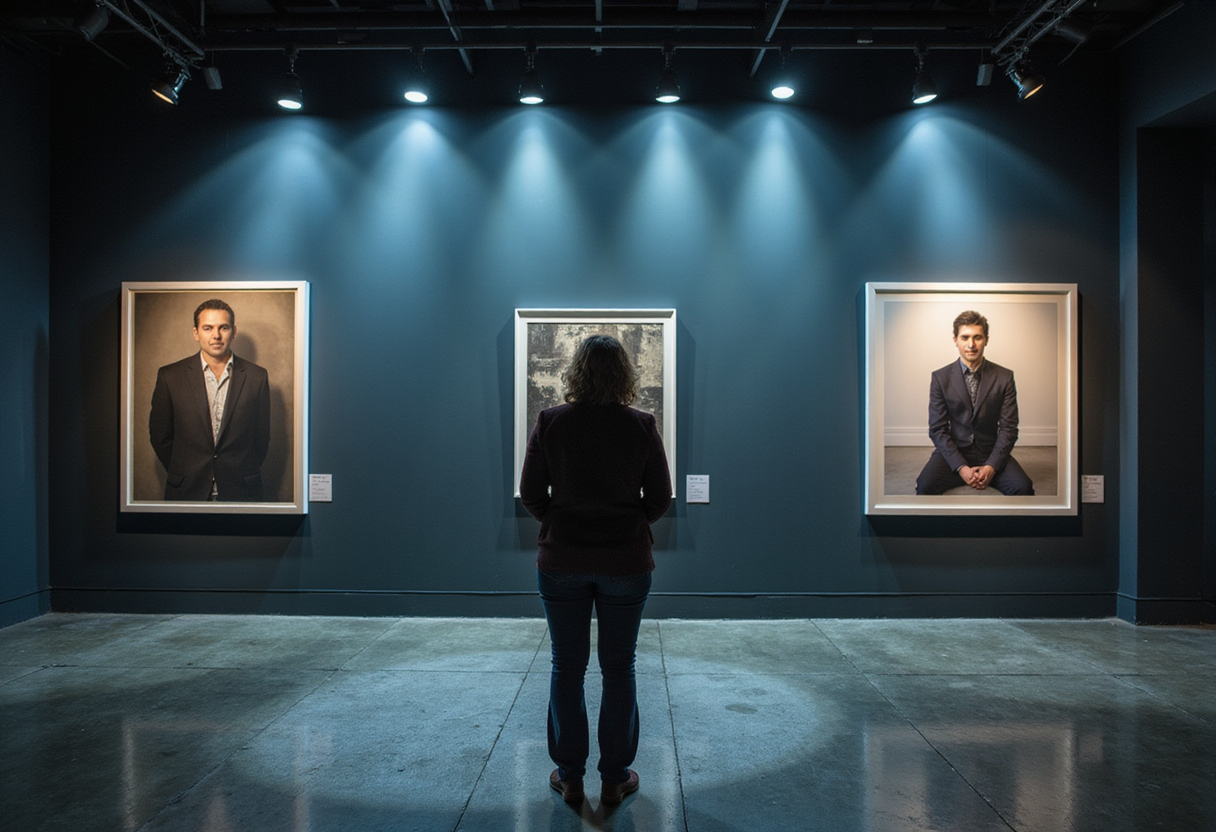
A photography exhibition titled 'Selena Forever/Siempre Selena' opens at the Briscoe Western Art Museum in San Antonio, treating the Tejano icon as a subject of sustained visual study. Texas Public Radio first reported the show.
Updated
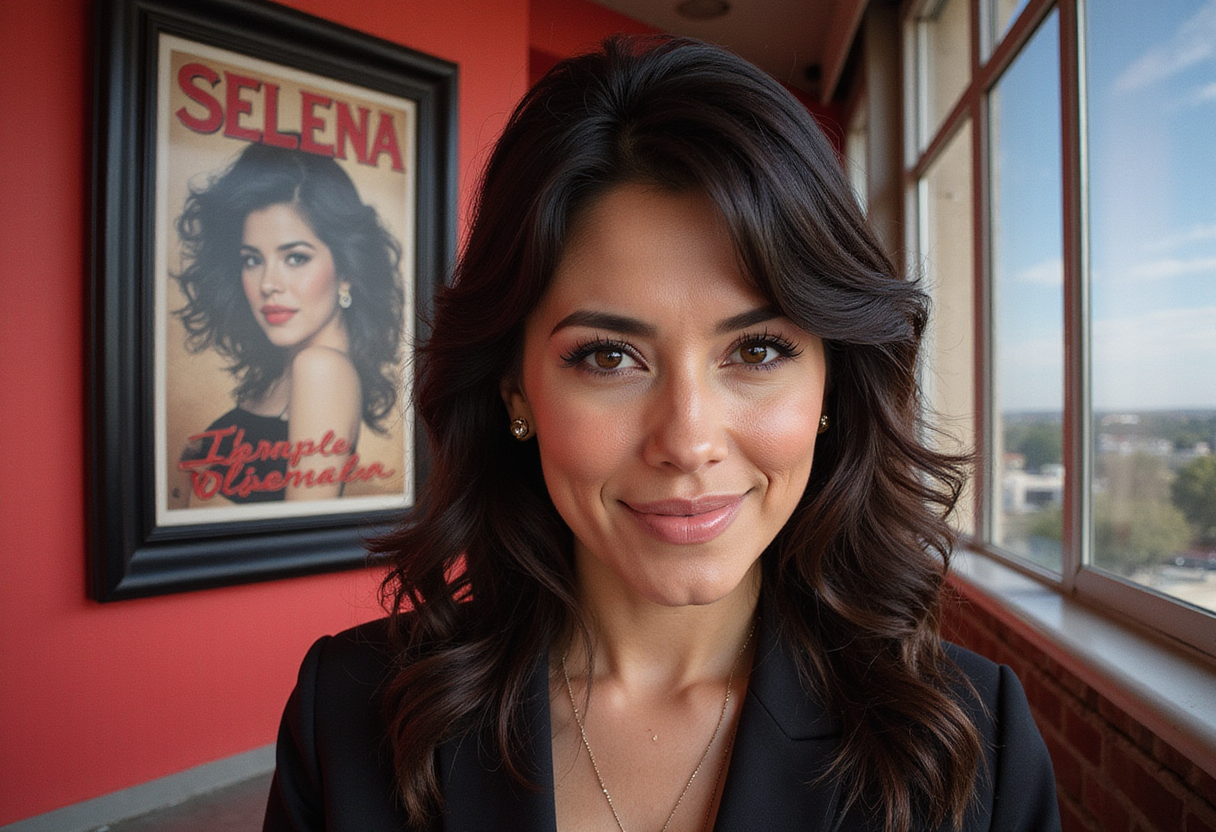
A photography exhibition titled "Selena Forever/Siempre Selena" opens at the Briscoe Western Art Museum, treating the Tejano singer Selena as a subject of sustained visual study. Texas Public Radio first reported the show.
The bilingual title — English and Spanish on either side of a forward slash — frames Selena within both Mexican-American and broader U.S. popular culture. The Briscoe, a museum dedicated to the art and history of the American West, has expanded its programming to include exhibitions that engage with regional Mexican-American heritage, and a Selena show extends that curatorial reach.
A visual archive in the popular memory
Selena, often referred to by her first name alone, remains one of the most recognizable figures in late-twentieth-century American popular music and a defining icon of Tejano culture. Her image has circulated through magazine covers, publicity stills, concert photography, music videos, and decades of fan documentation.
A museum exhibition built around her photographic record asks what those images have done — and continue to do — with her legacy. Selena's career unfolded across the moment when magazine publicity was giving way to television and MTV, and the surviving record includes staged studio portraits, live performance frames, and a vast informal archive of fan photography.
The Briscoe's curatorial choice to make photography the entry point treats that mix of professional and vernacular images as the substance of the exhibition, not as supplementary illustration.
What does a museum do with an icon this widely photographed?
Photography exhibitions built around figures of intense public devotion must negotiate between curatorial analysis and the iconography that already moves freely through fan networks, magazines, and online archives. Selena is a paradigmatic case. Three decades after her death, the same publicity portraits and concert images still circulate widely.
The institutional question is what a museum adds to a record audiences already possess in informal form. The Briscoe, a chartered public institution in downtown San Antonio, sits at the intersection of regional identity and cultural tourism. Exhibitions there carry weight for both constituencies, and the choice to mount a Selena photography show places the museum within a longer pattern of Texas institutions taking up her image and wardrobe for display.
What does the bilingual title signal?
The construction "Selena Forever / Siempre Selena" treats the exhibition as a cross-border project. Selena performed in Spanish and English, recorded for Latin and mainstream pop audiences, and became a touchstone for second-generation Mexican-American identity.
Photographs of her routinely negotiate that bilingual terrain: Spanish-language magazine covers, English-language crossover press, and a vernacular archive of fan photography produced in both languages. A photography-centered treatment foregrounds the camera's role in shaping that persona and its afterlife in public memory.
The curators, in titling the show bilingually, appear to be reading the photographic record as a document of cultural translation rather than simple visual celebration. They invite visitors to consider the title, the photographs, and the audience as a single bilingual field.
Where does the Briscoe take this next?
The exhibition arrives as San Antonio's museum corridor continues to develop along the River Walk, where the Briscoe occupies a prominent site. A Selena show — anchored by a Texas-born subject with international reach — extends the museum's audience beyond the Western-art collectors who form its core constituency.
Texas Public Radio's coverage, and the curators' choice of a bilingual title, point toward a programming direction that treats regional Mexican-American culture as central rather than supplementary. Photography is the medium through which that culture has been most thoroughly recorded and most widely remembered.
The show marks a test of how far the Briscoe will lean into Tejano and Chicano subject matter in the seasons ahead, and what curatorial weight it is prepared to give to photographs that already circulate in the public's hands.
Key points
- The exhibition is titled 'Selena Forever/Siempre Selena' and is presented at the Briscoe Western Art Museum in San Antonio.
- It is a photography exhibition focused on Selena, the Tejano icon.
- The Briscoe is chartered as a public institution dedicated to the art and history of the American West, located on the San Antonio River Walk.
- Texas Public Radio first reported the exhibition.
- The show is anchored by a bilingual English/Spanish title that frames Selena within both Mexican-American and broader U.S. popular culture.
Source: Google News: photography museum
Daniel Okafor
Show full bio
News editor covering consumer brands and retail at Lens Gazette.