Brâncuși exhibition and Romanian book donation open in Mostar
A Romanian book donation and a Brâncuși photography exhibition opened at the University of Mostar museum, linking cultural cooperation with two anniversary years.
Daniel Okafor
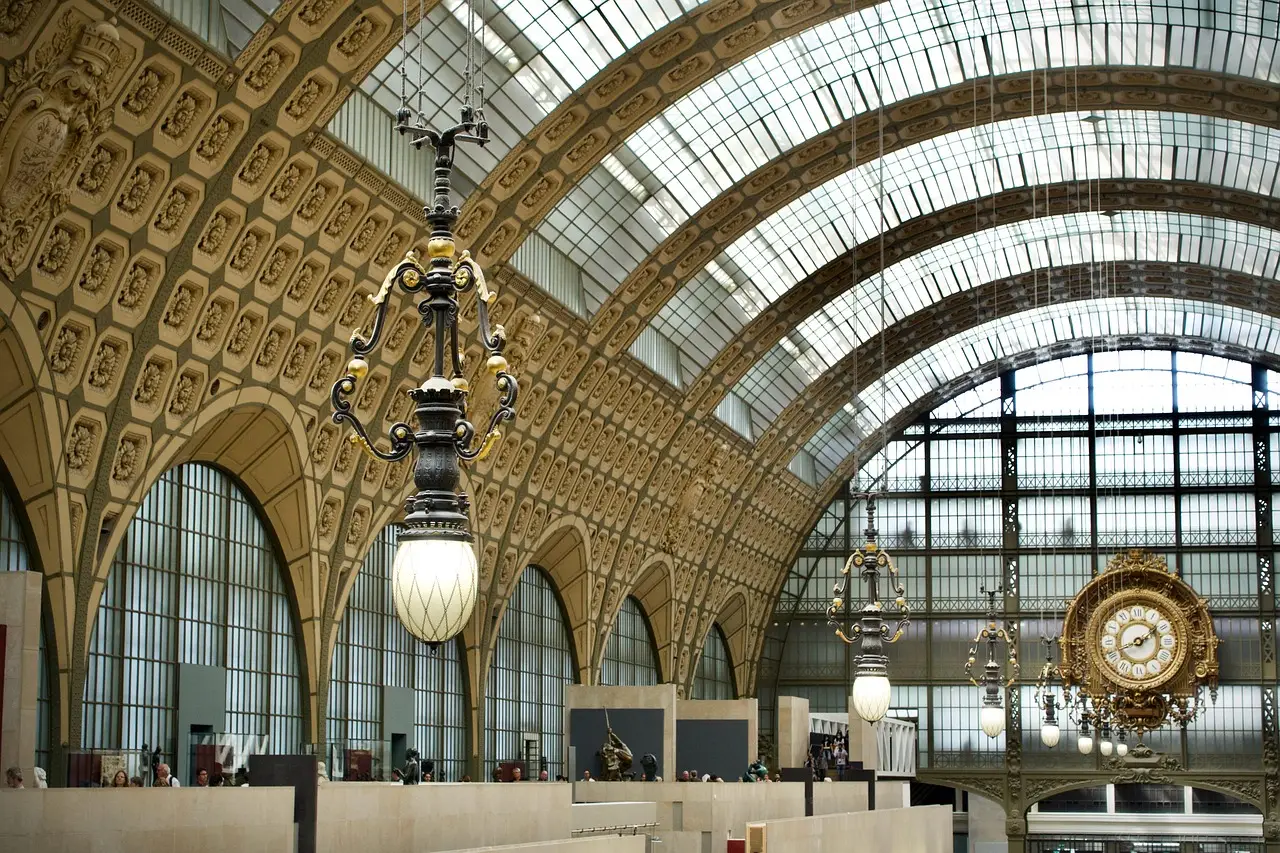
A photography exhibition marking Constantin Brâncuși’s 150th birth anniversary opened at the Museum of Modern Art of the University of Mostar alongside a formal donation of Romanian books to its specialist art-history library.
The event in Mostar, Bosnia and Herzegovina, was organised by the Honorary Consulate of Romania in Mostar, led by Honorary Consul Davorin Vidačković, in cooperation with the Embassy of Romania in Bosnia and Herzegovina and the University of Mostar.
What exactly opened in Mostar?
Brâncuși—one of the most influential sculptors of the 20th century, according to the announcement—became the subject of a photography exhibition intended to introduce his work to the Mostar public.
The notice does not identify a photographer, exhibition title, curator, sponsor, catalogue or calendar date, and it lists no photographs or individual artworks. Its account therefore records the exhibition’s premise but gives readers no visual basis for judging how Brâncuși was photographed, how the series was selected or what the show argues.
The central claim therefore remains untested: the event opened, but neither its curatorial method nor the photographs themselves are documented in the announcement. No closing date is given either, so the exhibition’s public run remains unclear.
What did the donation add?
The donation enriched the museum’s specialised art-history library with publications on Romanian art and cultural heritage. The announcement credits the Romanian Cultural Institute, the National Library of Romania and the National Museum of Contemporary Art of Romania, and says students, professors and researchers will be able to use the material.
It does not provide an inventory, title count, lending terms or online catalogue information. The access claim is consequently straightforward in intent but unverified in practice: the intended readers are named, while the mechanism and scale of access are not.
What did the speakers promise?
Marin Ivanović, the museum’s director, and Anton Pacurețu, Romania’s ambassador to Bosnia and Herzegovina, addressed attendees and stressed cultural cooperation and stronger ties between academic institutions in Romania and Bosnia and Herzegovina. The announcement records no memorandum, funding agreement or exhibition partnership from the meeting.
Vidačković was more affirmative, saying: “I am particularly pleased by the great interest in this exhibition, which confirms the importance of culture in connecting our two countries. I believe that today’s gathering will serve as an impetus for new joint projects and the further strengthening of cooperation between Romanian and Bosnian-Herzegovinian institutions,” he said.
The diplomat also cited a strong turnout, but the notice gives no headcount, guest list or attendance breakdown. Nor does it identify the “new joint projects” his statement anticipates. The promise is civic and diplomatic, not yet a programme with dates, budgets or named partners.
Why pair a 150th with a 30th?
The exhibition marked Brâncuși’s 150th birth anniversary, while the event fell in the year Romania and Bosnia and Herzegovina marked the 30th anniversary of their diplomatic relations. One anniversary concerns a life in modern sculpture; the other concerns three decades of state relations.
The pairing let the organisers connect cultural memory with present-day institutional exchange, and the announcement presents the gathering as a continuation of Romanian-Bosnian-Herzegovinian cultural and academic cooperation. That provides a credible context for a book donation and commemorative exhibition, although it does not establish what follows them.
For a photography exhibition devoted to a sculptor, the decisive question is not simply whether Brâncuși appears, but whether the photographs establish a particular encounter with his work and its meaning. The announcement supplies none of those specifics, and its description cannot substitute for seeing the images.
The library donation, by contrast, has a clearer institutional use because its intended readers and institutional providers are named. Its long-term value still depends on catalogue visibility, sustained availability and the selection of material, none of which the notice explains.
The next measure of progress should be equally concrete: a published inventory for the library, complete exhibition credits and dates, and at least one named joint project. Until then, Vidačković’s hope of stronger cooperation remains an opening promise rather than an institutional result.
Key points
- A photography exhibition marking Constantin Brâncuși’s 150th birth anniversary opened at the Museum of Modern Art of the University of Mostar.
- A formal Romanian book donation enriched the museum’s specialised art-history library.
- The event occurred during the 30th anniversary year of diplomatic relations between Romania and Bosnia and Herzegovina.
- The Romanian Cultural Institute, National Library of Romania and National Museum of Contemporary Art of Romania received credit for supporting the publications.
Source: Google News: photography exhibition
Daniel Okafor
Show full bio
News editor covering companies, deals and strategy in Photography exhibitions, photographers, photo books, festivals and awards at Lens Gazette.