Belmond adds a photo award and commissions Jack Davison at Maroma
Belmond’s Paris Photo backing brings an annual award, Jack Davison’s Maroma craft commission for RVB, and Isabelle Caplain’s slow Morocco road work together.
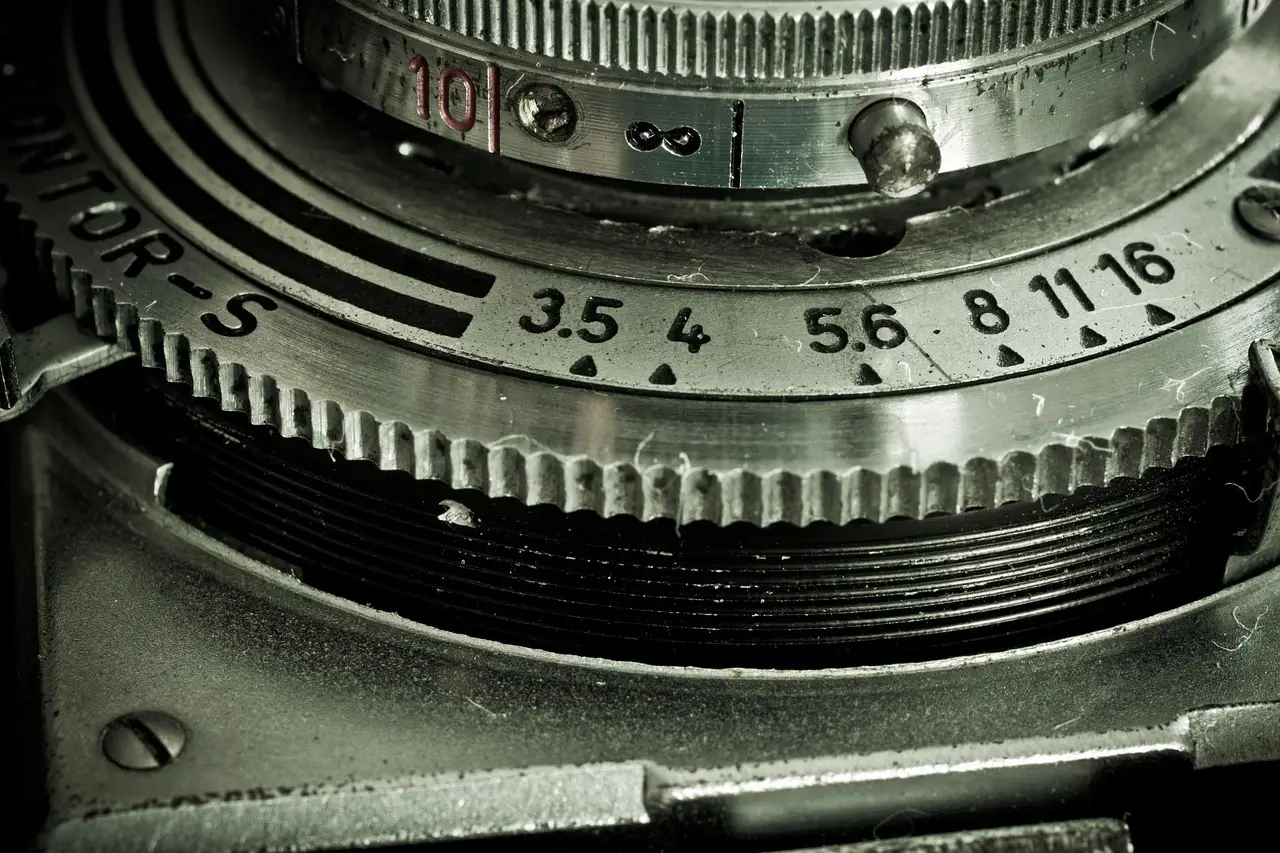
Belmond has paired its backing of Paris Photo with an annual Belmond Photo Award and a commissioned book project for Jack Davison at Maroma in Mexico.
That is the hard news. The announcement combines a prize, a publishing commission and a hospitality brand’s cultural programme in one move. The larger claim—a shift in how luxury travel presents itself through photography—still depends on publication, distribution and editorial control that the announcement leaves largely undefined.
“Belmond has long championed new perspectives in travel photography, commissioning artists who truly engage with the spirit of a destination,” says Arnaud Champenois, senior vice president, brand marketing & communications. He locates the company at the intersection of travel, culture and luxury.
What does Davison’s Maroma commission contain?
London-based Jack Davison is the photographer behind the new project, which forms part of the As Seen By books published by RVB. Belmond says he explored Maroma, a Belmond hotel on Mexico’s Riviera Maya, for a sequence inspired by Mayan creation myths.
Champenois calls the arrangement a free commission and what he calls a carte blanche. Photographers receive a brief on brand history, the soul of each place, its craft and its people, with the stated aim of creating enough tension for an individual perspective.
That latitude has limits. Artists remain aware of Belmond’s legendary status and its philosophy of seeing the world through another lens. The terms resemble a patronage brief more than a conventional product shoot, although the announcement does not explain who holds reproduction rights or approves final images.
Davison’s stated subject is the spirituality of Mexican craft. Interior designer Tara Bernard had worked with what Champenois calls the country’s best craftsmen; Davison then developed new pieces with them and photographed the work in situ at the property.
His described pictures are raw and fluid, moving beyond the hotel’s visual polish toward woodwork, stonework and paperwork. Champenois calls the project conceptual and describes it as a body of masterpieces, presenting it as a personal vision of Mexican craft staged at Maroma.
The sequence remains unseen. The announcement does not reproduce a portfolio or disclose the book’s title, publication date, edition or distribution. Without those details, the scope of Davison’s work—and its distance from branded promotion—remains difficult to assess.
Why did Isabelle Caplain win?
The award went to French photographer Isabelle Caplain, whose road-trip work in Morocco centres on deliberate slowness rather than the speed associated with travel. The annual award celebrates new perspectives on travel photography, but the announcement gives no award year, shortlist, jury or next edition.
“I think what was really interesting in [her] work is that she wrote in her essay that she wanted to return alone, to be close to a slow medium-format photography practice,” says Champenois. Caplain’s Morocco journey involves inviting the people she meets during a road trip and allowing time for situations to develop rather than manufacturing them.
That method gives the award a clearer proposition: attention rather than spectacle. It also makes the judging consequential, because the programme asks its winner to embody its values. No photographs, essay excerpts, panel details or publication plans accompany the announcement, so neither the selection process nor the award’s wider cultural reach can yet be judged.
Does Belmond’s sponsorship change the field?
The announcement frames the move as part of an industry in which boundaries between media are in flux. Belmond is now sponsor, commissioner and cultural presenter, while RVB supplies a publishing context and Jack Davison supplies an artist’s reading of a property.
That structure can widen photography’s institutional role beyond exhibitions and magazines, but it also concentrates interpretive power in a brand with a commercial interest in the destination. The free brief permits dissent in form; it does not erase the asymmetry between the company that markets the place and the photographer asked to interpret it.
The next test will be whether RVB’s finished book preserves the tension Champenois describes and whether the annual award develops a consistent line beyond the single winner announced here. Belmond has made a clear cultural bet. The photographs, and the institutional rules around them, still have to deliver.
Key points
- Belmond paired its Paris Photo backing with an annual Belmond Photo Award.
- London-based Jack Davison was commissioned for an As Seen By book project at Maroma.
- Davison’s images cover woodwork, stonework and paperwork made at the Mexico hotel.
- French photographer Isabelle Caplain won the award for slow, medium-format work made during a Morocco road trip.
Source: wallpaper.com
Daniel Okafor
Show full bio
News editor covering companies, deals and strategy in Photography exhibitions, photographers, photo books, festivals and awards at Lens Gazette.