A Fully Clothed Selfie, a Death Threat: Pakistan's Image Abuse Crisis
A new Chayn report says fully clothed images are being weaponised against Pakistani women, while platform moderation trained only to spot nudity leaves them unprotected.
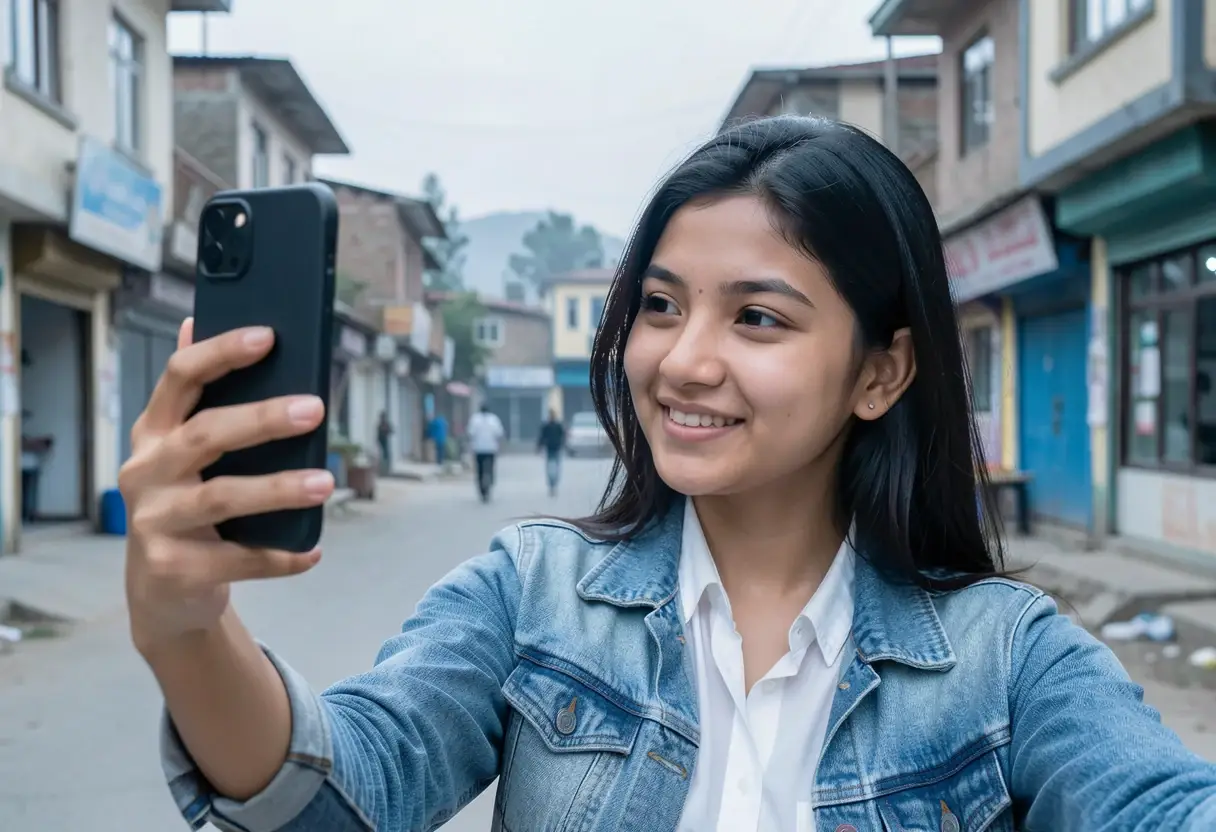
A teenage girl in jeans and a vest top, smiling at her own phone, was enough to put her life at risk of an "honour" killing in Pakistan. Maniza*, who never leaves her conservative town without a hijab, took the selfie at home — and the boy she trusted with it turned it into a weapon.
That is the opening case in a report published by Chayn, a charity tackling gender-based violence, titled Explicit Harms of Non-Explicit Images. The report's core argument is blunt: social media platforms should police consent, not nudity.
What happened to Maniza?
Maniza, a teenager whose father openly threatened to kill her if she "got into trouble," sent a photo of her loose hair to a young man she hoped to marry. He promised to delete it. He didn't.
"He started getting pushy about meeting up. He threatened to send the photo to my family," she says. "He said if I let him touch me he will delete the picture." He then built a fake account around her image, captioned "love of my life." When she reported it, the platform replied that it broke no rules.
"They didn't understand my family would kill me if they saw it," Maniza says. Her mother, fearing her husband, pulled her out of school. She now waits for an arranged marriage proposal. "That picture is still out there and there's nothing I can do." No takedown. No recourse.
Why do platforms miss the harm?
The gap, Chayn argues, is cultural. Automated moderation systems hunt for nudity, and they miss everything else.
"There's a gap in what platforms define as harmful and what women experience as harmful," says Hera Hussain, Chayn's chief executive. "Automated content moderation systems are trained to spot nudity, which is an important aspect of tackling image-based abuse, but misses that images can be deadly without nudity."
Consider Zarghuna, 15, from Balochistan. A male classmate photographed her wading in a lake on a school picnic, clothes clinging, and later projected the image on a large screen at a school event. "Even if you're wearing a burqa, if it outlines your body, people will say you are making an exhibition," she says. She called the experience "humiliating." Her classmates now receive WhatsApp messages trading classroom photos for sexual favours.
How bad is it in numbers?
The digital gender divide in Pakistan sharpens the problem:
- Two-thirds of Instagram users in the country are male.
- Of Pakistan's 100 million TikTok users, more than 70% are estimated to be male.
- The Digital Rights Foundation (DRF) helpline receives roughly 250 complaints a month.
The consequences scale up fast. Last year, 14-year-old Hira Anwar was lured from the US to Pakistan and killed by her father over her TikTok videos. Sana Yousaf, another teenage TikTok user, was murdered by a man obsessed with her account. Hussain lists the wider toll: women pushed out of education and jobs, forced into marriage, subjected to assault, divorce, suicide and femicide.
What is being done?
The DRF, founded by lawyer Nighat Dad, does achieve removals — one recent case ended with AI-generated videos of a teacher kissing a man taken off Instagram. But Dad's critique cuts deeper than any single takedown.
"Platform policies are often designed without sufficient understanding of cultural contexts and the ways gendered harm manifests differently across communities," Dad says. "We repeatedly see cases where something may not fit a platform's narrow definition of intimate or sexual content, but in the survivor's context it is clearly being used to sexualise, shame or endanger her."
Chayn's ask is specific: build cultural context into moderation, and add a consent-based reporting pathway. Hussain frames the alternative with a sharp comparison: "Otherwise it's like someone throwing a bomb and focusing on what type of bomb it is instead of the damage it can do."
Meta did not respond to a request for comment. That silence matters. Until platforms treat a non-nude image shared without consent as harm — not as a policy edge case — Maniza's photo stays online, and girls like Zarghuna keep learning that a picnic can be used against them.
*Name has been changed
Source: theguardian.com
Daniel Okafor
Show full bio
News editor covering companies, deals and strategy in Photography exhibitions, photographers, photo books, festivals and awards at Lens Gazette.