$400 Shoot Fee Stuns Photographers at Oldest Photo Museum
An institution PetaPixel identifies as the world's oldest dedicated photo museum has set a $400 commercial-shoot fee. Working photographers are, in the outlet's word, stunned.
Updated
The institution PetaPixel identifies as the world's oldest dedicated photography museum has set a $400 fee for on-site commercial shoots, and the working photographer community is, in the outlet's word, "stunned." The figure was reported this week by PetaPixel and applies per booking to commercial productions on the museum's premises.
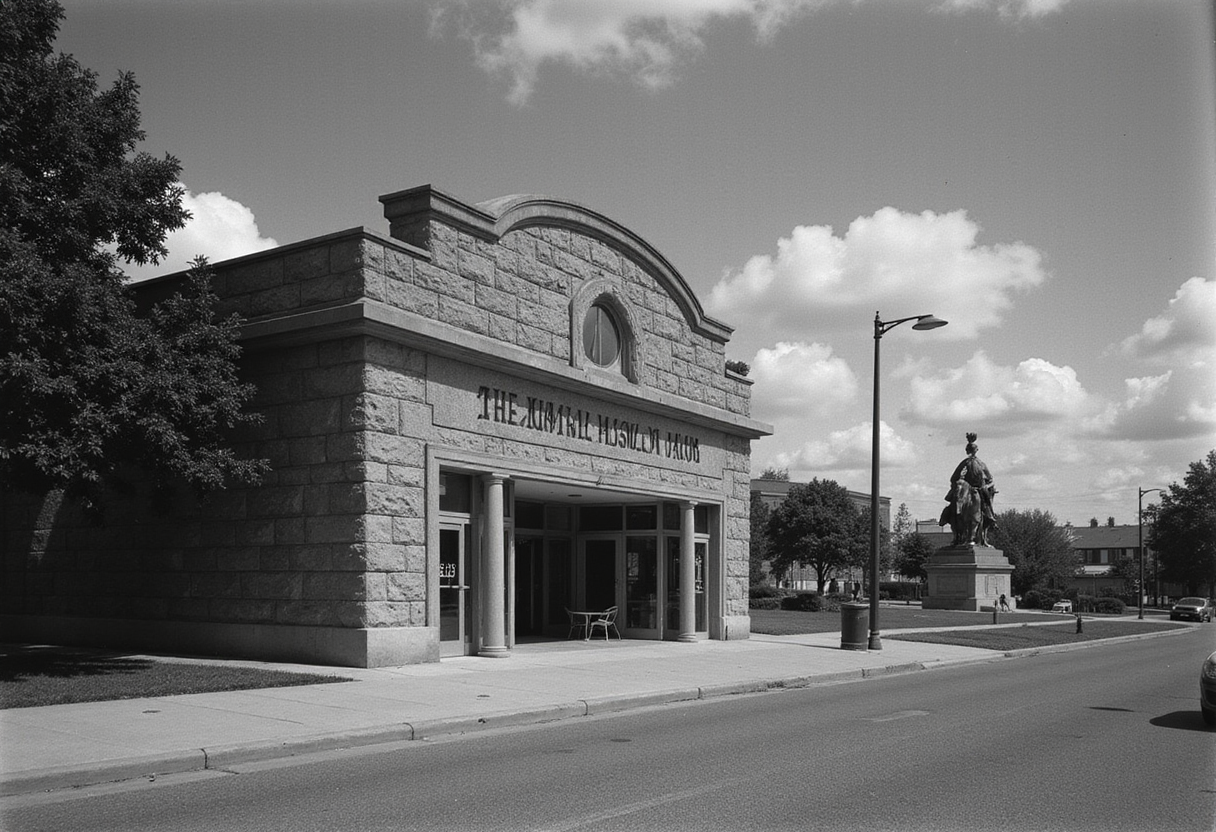
The museum itself was not named in the headline material available. The George Eastman Museum in Rochester, New York, founded in 1947, is the institution most often credited with the distinction in published art-history references, though other nineteenth- and twentieth-century photography collections make competing claims. The Lens Gazette will confirm when PetaPixel's full report lands.
Why $400 sounds like a number
Commercial-shoot fees at heritage venues typically fall into rough bands. Major national museums charge four-figure sums per day, with rates climbing into the tens of thousands for high-spec productions. Mid-sized city museums and regional heritage sites commonly price between $200 and $800 a day, depending on crew size. Smaller photographic institutions and galleries sit below $200.
A $400 fee at a single, photography-specific museum therefore places itself in the middle of the spread, but without, on the available evidence, the itemisation mid-tier venues usually provide: a published scale, a sliding rate tied to crew size, a discount for editorial use.
What does $400 actually mean?
In the museum-shoot market, a flat fee of that size sits above the prevailing small-crew rate at comparable heritage venues and below the day rates of major national museums. The figure does not, on the evidence available, itemise what it pays for. Staffing, insurance, and location add-ons are typically separate line items at peer institutions.
Photographers reading the headline can be forgiven for assuming the institution has chosen a flat, premium number rather than a transparent scale.
Why are photographers objecting?
Three complaints animate the early response. The fee, photographers argue, flattens the difference between a fashion-house production and a student editorial — the same rate, the same room. It appears to convert the collection into a paid backdrop rather than a shared cultural resource. And it offers no visible reinvestment clause: working photographers want to know whether the $400 funds conservation, exhibition programming, or simply the institution's general budget. That last question is, in this column's experience, the one museums most often leave unanswered, and the one that has historically moved boards to revise their pricing.
Where does the precedent point?
Museums that have weathered comparable outcries in recent years have generally responded in one of three ways. Some, after an initial defence, have published an itemised breakdown showing where the fee flows — climate control, conservation staff, security, insurance — and have held their price. Others have introduced a tiered scale that distinguishes editorial from commercial and offers student and non-profit rates at a fraction of the headline figure. A third group has quietly walked the fee back within a fortnight, citing stakeholder feedback, and re-announced a lower number two months later.
The pattern that emerges is uncomfortable for museums and unsurprising to photographers: pricing without itemisation reads as commercial, pricing with itemisation reads as institutional. The museum in question has so far offered only the first.
What changes next?
The institution can hold the line on the argument that archive-grade space carries archive-grade cost — defensible if revenue returns visibly to the collection. It can revise the structure into a tiered scale, distinguishing editorial from commercial and discounting for institutional users. Or it can quietly walk the fee back, as heritage venues have done before when the working-photographer response runs hot. The next public statement will tell us which path the museum has chosen.
For now: a fee, an objection, a wait. The PetaPixel report, when it lands in full, will sharpen the rest.
Key points
- PetaPixel reported this week that the institution, described as the world's oldest dedicated photo museum, has set a $400 fee per commercial shoot.
- The $400 figure applies per booking to on-site commercial productions, with staffing, insurance, and location add-ons typically billed separately.
- The museum was not named in the available headline material; the George Eastman Museum in Rochester, New York, founded in 1947, is the institution most often credited with the distinction.
- Mid-sized city museums and regional heritage sites commonly price comparable access between $200 and $800 per day, placing the new fee in the middle of that band.
- Photographers have objected on three grounds: a flat rate that flattens editorial and commercial users, the conversion of the collection into a paid backdrop, and the absence of a visible reinvestment clause.
Source: Google News: photography museum
Olivia Hart
Show full bio
Staff writer covering people, launches and day-to-day practice in Photography exhibitions, photographers, photo books, festivals and awards at Lens Gazette.