World Press Photo Names More Than 70 Winners for 2026
The 2026 World Press Photo Contest has revealed more than 70 awarded works, a sprawling roster that maps the year's conflicts, crises and quiet human stories in press photography.
Updated

The 2026 World Press Photo Contest has announced its winners, a field of more than 70 awarded photographs and projects that the competition's organizers describe as a powerful accounting of the year in press photography.
The scale of the list is itself a fact worth pausing on. More than 70 works have been recognised across the contest's categories, a number that reflects the competition's practice of honouring not only a single Image of the Year but a wide roster of regional and thematic winners — singles, stories, long-term projects and open-format work. The announcement, reported by PetaPixel, marks the latest edition of a prize that has, since 1955, functioned as the field's most closely watched annual verdict on photojournalism.
The announcement arrives at a moment when the World Press Photo Foundation has been rethinking how it structures its awards. In recent years the organisation moved from a single global jury to a regional judging model, with juries in Africa, Asia, Europe, North and Central America, South and Southeast Asia and Oceania, and West and Central Asia first selecting regional winners, from whom global winners are then drawn. The result is a longer, more granular list than the prize once produced — and one that increasingly foregrounds bodies of work rather than isolated frames.
That structural shift matters for how the 2026 results should be read. A list of more than 70 winners is not a ranking but a map: of the conflicts, migrations, political upheavals, environmental crises and quiet domestic dramas that photographers around the world documented in the eligible year. The winning works, in the contest's tradition, span spot news and long-form reportage, portraiture and environment, and the winners' ranks typically include agency staff, freelancers working in dangerous conditions and local photographers covering their own communities with an intimacy that visiting crews rarely achieve.
The contest's judging criteria are worth remembering when weighing such a large slate. World Press Photo juries assess accuracy and journalistic integrity alongside visual strength — a photograph that cannot withstand ethical scrutiny does not advance, however striking its composition. That standard has grown stricter over the past decade, after the foundation tightened its rules on image manipulation, requiring raw-file verification from winners and disqualifying entries whose processing crosses from enhancement into fabrication. The 2026 winners have passed through that filter.
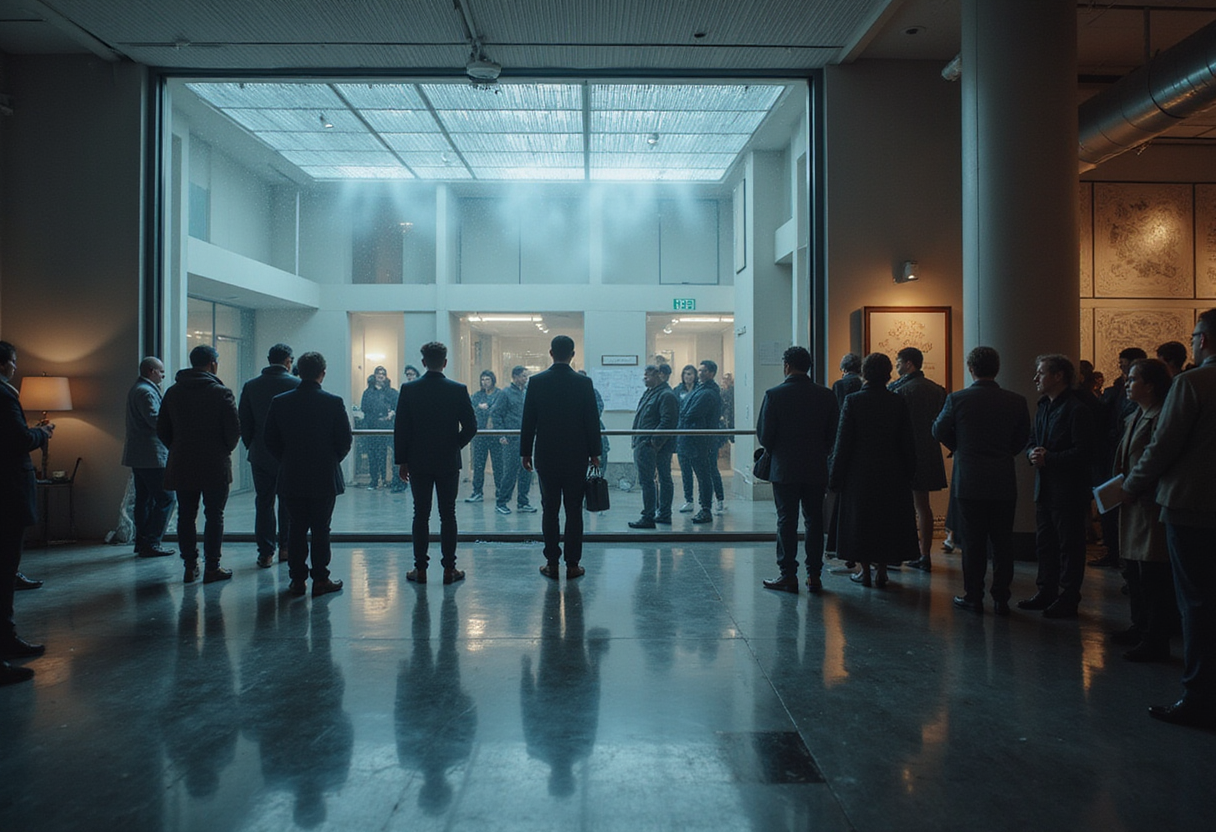
For the photographers, the award carries consequences well beyond prestige. Winning works enter the World Press Photo exhibition, which travels to dozens of cities worldwide each year and routinely reaches an audience of millions; the accompanying yearbook publishes the images in a permanent form. For local photographers in particular, the prize can convert regional coverage into international assignments.
It can also draw scrutiny. World Press Photo winners are picked apart each year — by readers, by editors, by other photographers — in arguments about framing, access, aesthetics and the ethics of representation. That argument is part of the prize's function. A jury's selection tells us not only which images were judged the year's best but which subjects the field collectively decided mattered most, and which visual strategies it rewarded.
The global winners drawn from this roster of more than 70, including the World Press Photo of the Year, will be honoured at the foundation's annual festival in Amsterdam, after which the touring exhibition will carry the 2026 results to audiences across the world.
Key points
- The 2026 World Press Photo Contest has announced more than 70 winning works.
- The results were reported by PetaPixel.
- Global winners, including Photo of the Year, are drawn from the awarded roster and honoured at the foundation's Amsterdam festival, with a touring exhibition to follow.
Source: Google News: World Press Photo
Olivia Hart
Show full bio
Staff writer covering industry trends and analytics at Lens Gazette.