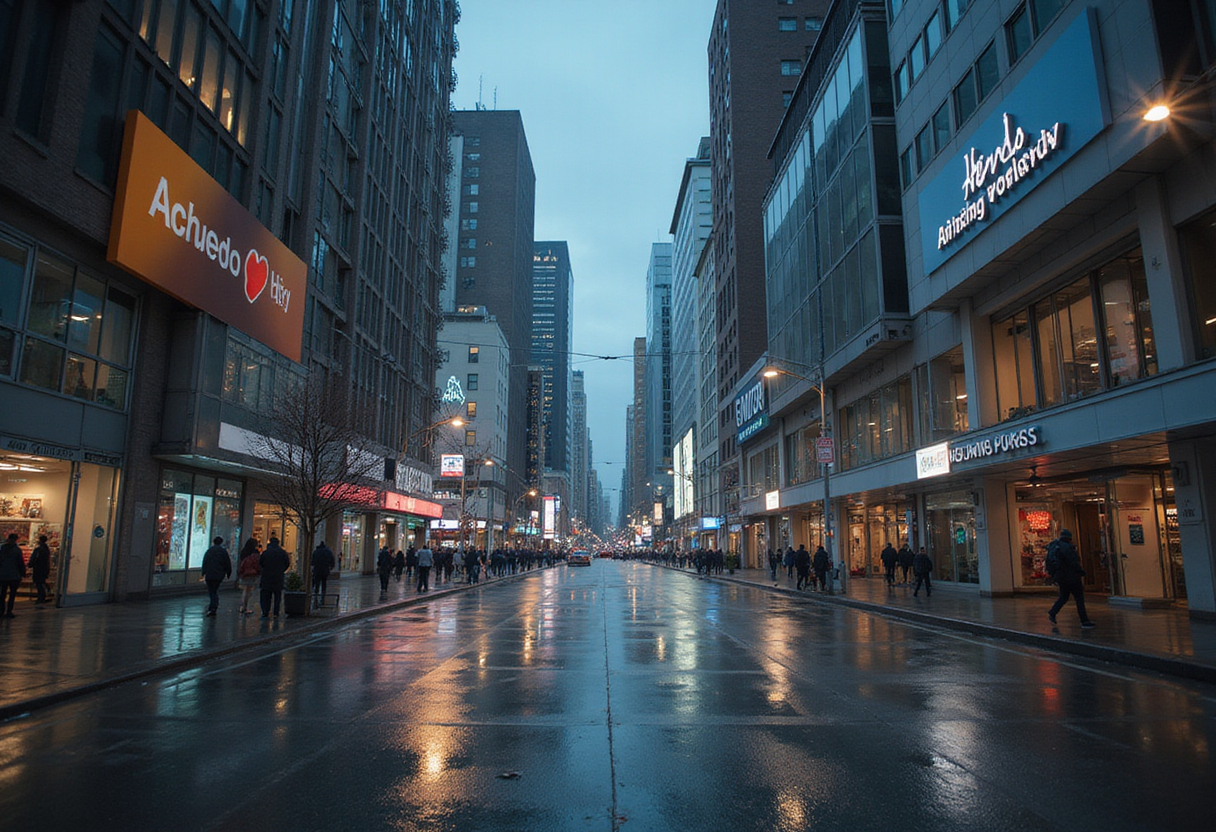
World Press Photo 2026: From Social Robots to Gaza
World Press Photo 2026 honors work spanning social robots and the devastation of Gaza — two inquiries into what powerful systems do to human life, held in one contest.
Updated
The World Press Photo 2026 contest has delivered its annual reckoning with the state of the world, and this year's selection of honored images spans an unusually wide emotional and geographical range. Two subjects anchor the strongest work: the accelerating arrival of social robots in everyday life, and the continuing devastation of Gaza.
These are the poles between which much of contemporary photojournalism now operates. On one end sits the strange intimacy of machines built to keep us company — photographed, in the picks that have drawn the most attention, with a tenderness once reserved for human portraiture. On the other end lies Gaza, where photographers working under conditions of extraordinary danger have continued to document destruction at a scale that press institutions have struggled to fully process.
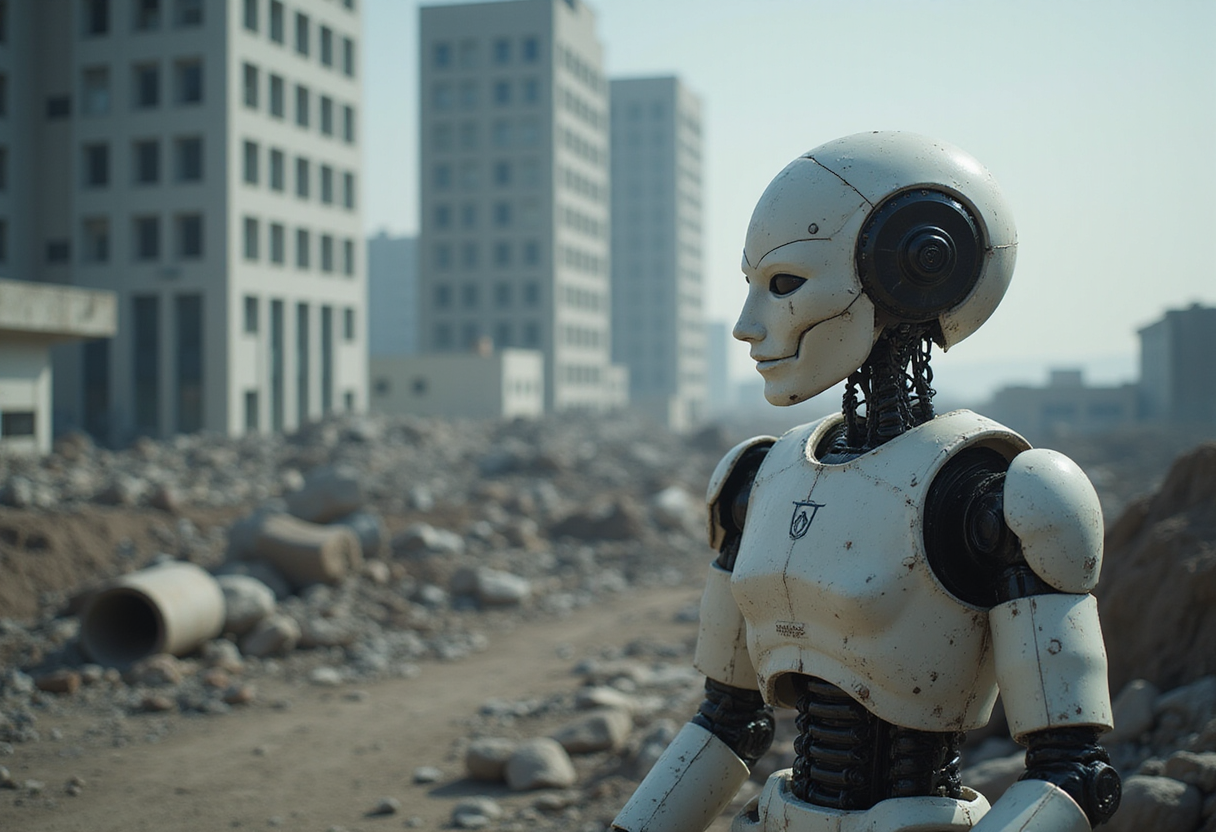
The robot photographs deserve particular attention. What could easily have tipped into novelty or gadget-page curiosity instead reads, in the strongest frames, as something closer to family documentary. The machines appear in domestic settings, in care homes, in the company of people whose loneliness they are engineered to relieve. The photographers have resisted the easy visual jokes — no glowing red eyes, no dystopian staging — and instead treated the robots as sitters, with all the formality and ambiguity that implies. The result unsettles precisely because it withholds judgment. We look at a machine being looked at, and we cannot quite decide what we are seeing.
The images from Gaza demand a different kind of looking, and the photographers who produced them have met that demand. The devastation documented in this year's honored work is not abstract ruin; it is specific, located, and personal. Rubble is somebody's staircase. A collapsed wall borders somebody's kitchen. The craft on display is the craft of proximity under duress — of making photographs at all when the infrastructure of imagemaking, like everything else, has been systematically destroyed.
That tension — between the engineered companionship of social robots and the engineered demolition of a city — gives this year's selection its strange coherence. Both bodies of work are, at bottom, about what happens to human relationships when powerful systems, technological or military, reshape the conditions of life. One set of images asks whether a machine can love us back. The other records what it looks like when machines are used to unmake a society. That the same contest can hold both inquiries, and honor both, says something about the breadth the World Press Photo Foundation has maintained even as press photography's economic foundations continue to erode.
It is worth pausing on what the annual contest still accomplishes. In a media environment where single images circulate stripped of context, credited to no one, and vanish within hours, World Press Photo remains one of the few institutions that insists on series, on named authorship, and on the photographer's account of how the work was made. The contest's judgments are never the last word — they rarely are in any year — but they shape which images enter the permanent record, which exhibitions travel the world in the months ahead, and which photographers receive the institutional support that can sustain a career in this field.
The picks highlighted here — the social robots, the Gaza devastation, and the range of work between them — will tour internationally as part of the World Press Photo exhibition program, bringing these photographs to audiences far beyond the news cycles in which they first appeared. How the Gaza imagery in particular is received as it moves from competition to gallery wall, and whether the robot photographs age into historical documents of a transitional moment or period curiosities, will be the test this body of work sets for itself in the years to come.
Key points
- World Press Photo 2026 has announced its contest results, with honored images spanning social robots and the devastation of Gaza
- The strongest robot photographs treat machines as portrait sitters in domestic and care settings, withholding dystopian clichés
- The honored Gaza work documents destruction with specificity and personal detail, made under conditions of extreme danger
Source: Google News: World Press Photo
Marcus Bennett
Show full bio
Correspondent covering consumer brands and retail at Lens Gazette.