Wildlife Photograph Nicknamed 'Oscar's Best Picture' Takes Top Award
The wildlife photograph nicknamed "Oscar's best picture" has won a top award, giving nature photography its highest-profile breakout frame of the year.
Updated
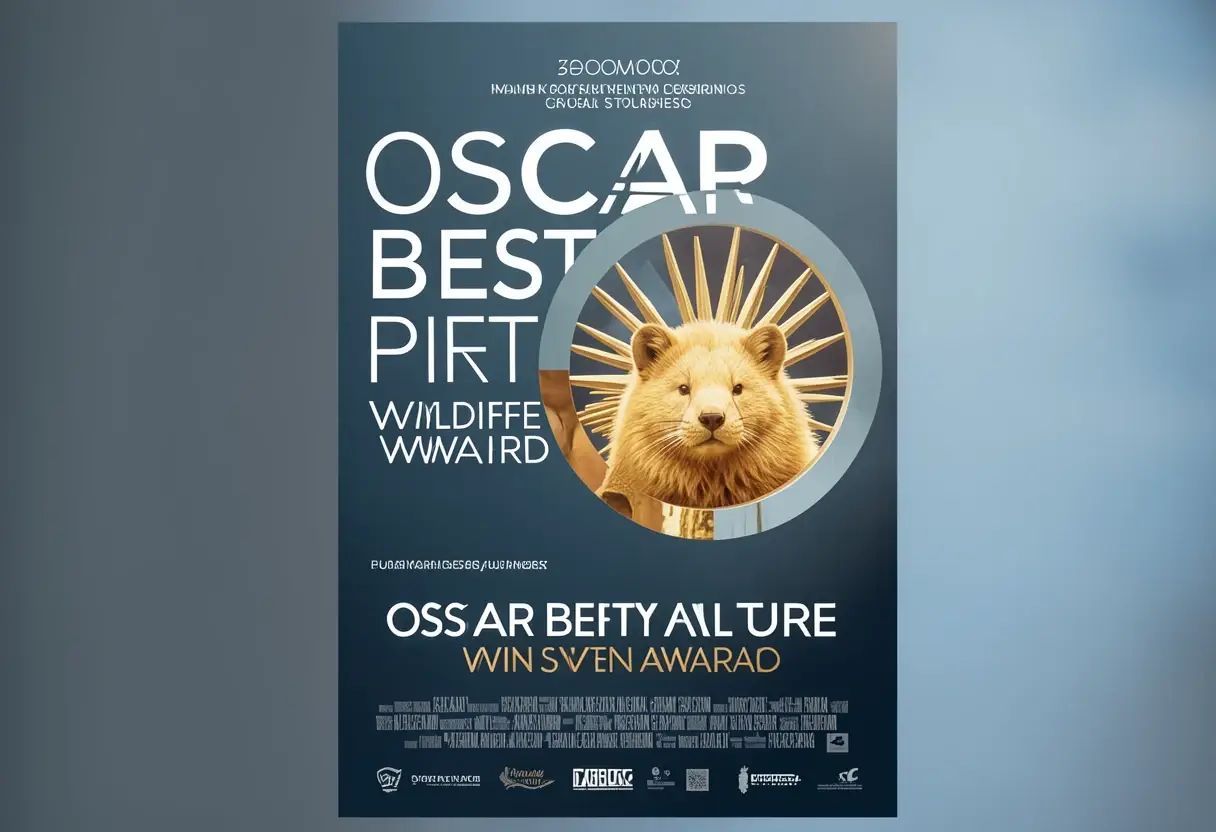
The photograph already known around newsrooms as "Oscar's best picture" has now won a top wildlife award, confirming what editors had suspected: this is the frame of the year in nature photography.
The nickname does the heavy lifting here. The image earned its Hollywood comparison the way all great pictures do — by stopping readers mid-scroll and refusing to let go. Now the judges have agreed, handing it the contest's principal prize.
What does this change for wildlife photography?
Plenty. When a single frame crosses over from specialist press to mainstream nickname status, it resets the bar for everyone else. Wildlife photography has spent a decade fighting for attention in a saturated market, and an image that breaks through with a pop-culture alias gives the whole genre a visibility bump. Photo editors at news outlets get more room to run nature work. Sponsors and galleries follow the attention.
It also tells younger photographers something practical. You don't need an exotic location or rare species to win big — you need a picture that behaves like a story, one a lay reader can retell in a sentence. That's what "Oscar's best picture" did before it ever collected a trophy.
Why the nickname matters
Sports has its Miracle on Ice. News photography has its Napalm Girl. Wildlife photography now has its Oscar. Nicknames attach themselves only to images that escape their original context and enter general conversation, and that escape is the rarest thing in the business.
For the photographer, the comparison cuts both ways. It guarantees distribution — every retelling carries the frame further than any press release could. But it sets an expectation the next body of work must answer. Win the big one, and the question stops being whether you can shoot and becomes whether you can shoot again.
The contest circuit has seen this pattern before. A flagship award lands, the winning image tours newspapers and social feeds for weeks, and applications for the following year's competition climb. Organisers count on that cycle. One breakout picture funds a year of outreach.
The craft behind the frame
There's a lesson in technique here too, though not the kind gear reviewers like. Award-winning wildlife shots are overwhelmingly patience pictures — hours of waiting compressed into a fraction of a second. The camera matters less than the reading of the animal, the light, and the moment when the three collide.
That collision is what judges reward. A winning frame typically shows behaviour, not just presence: an animal doing something, not merely existing in front of a lens. Readers feel the difference instantly, even when they can't name it. Judges can.
What comes next
The award itself is the beginning of the picture's second life, not the end. Expect the image on gallery walls, in touring exhibition material, and at the front of next season's competition publicity. Expect the photographer's archive to attract fresh editorial interest, and expect the nickname to stick — possibly permanently.
What does this change for readers? It gives them a new reference point. The next time a wildlife photograph goes wide, it will be measured against "Oscar's best picture," and that measuring stick now belongs to the whole field.
For now, the image stands where every top-award winner stands: at the peak of one year's judging and the start of a much longer afterlife in exhibitions and print.
By Marcus Bennett, Lens Gazette
Key points
- A wildlife photograph nicknamed "Oscar's best picture" has won a top wildlife award
- The image had already earned mainstream recognition under its Hollywood nickname before the prize
- The win is expected to raise the profile of wildlife photography across editorial and exhibition channels
Source: Google News: photography museum
Marcus Bennett
Show full bio
Correspondent covering companies, deals and strategy in Photography exhibitions, photographers, photo books, festivals and awards at Lens Gazette.