UTC Art Show Turns Its Lens on Historic Black Communities in Appalachia
A UTC exhibition in Chattanooga confronts the double erasure of Black Appalachian communities, giving documentary photographers new institutional precedent in the region.
Updated
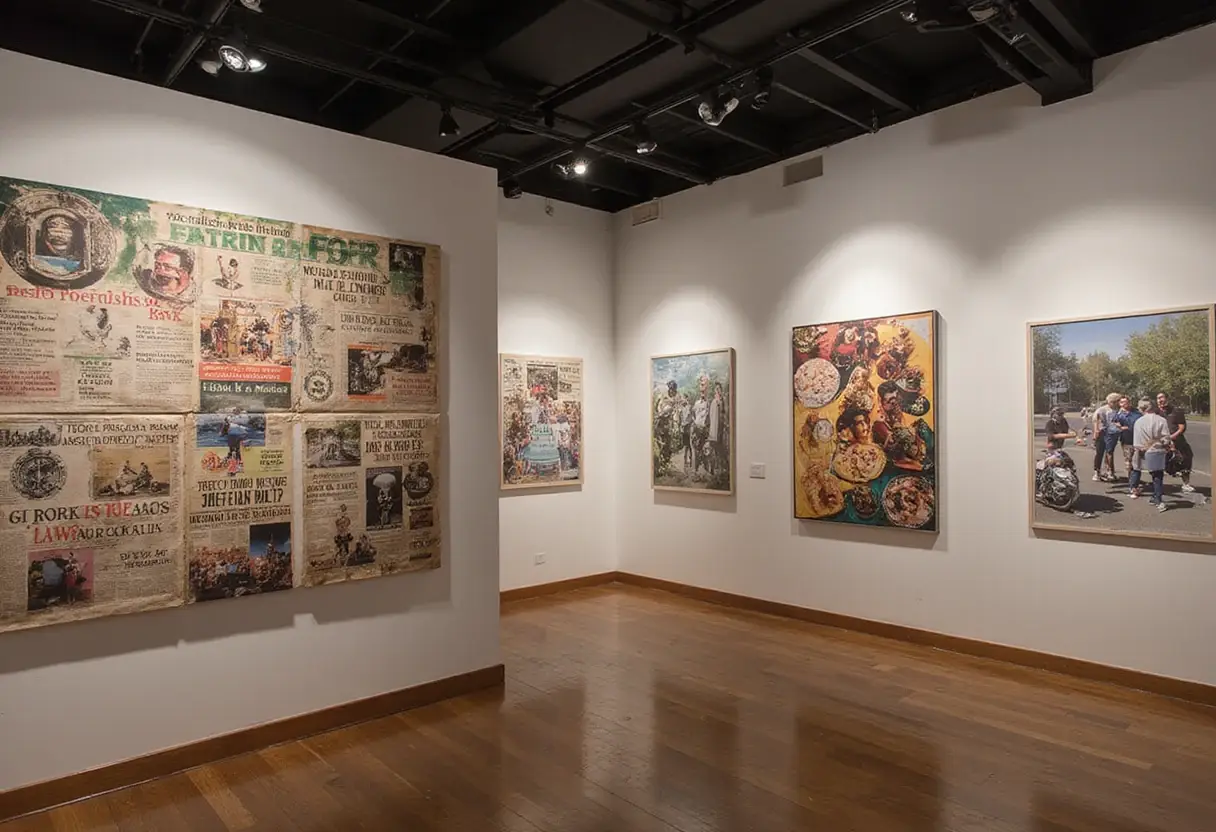
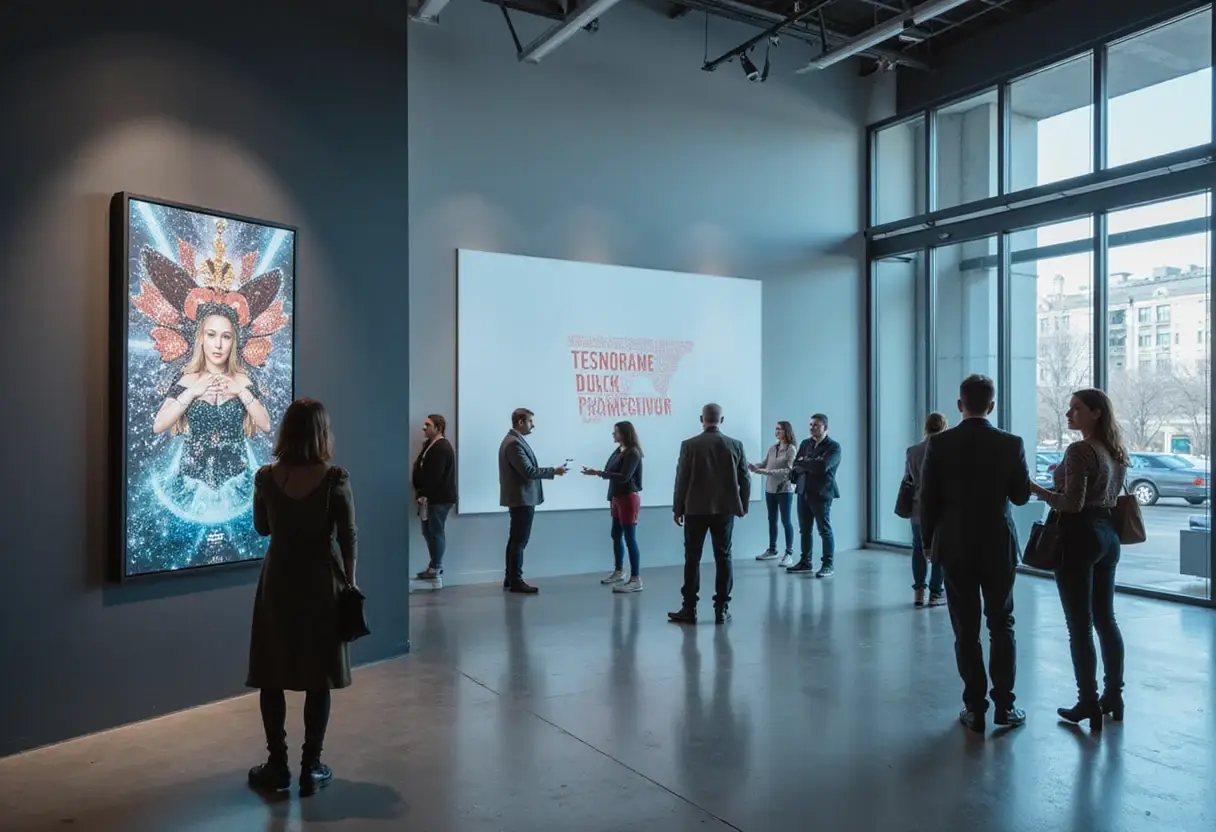
The University of Tennessee at Chattanooga is currently presenting an art exhibition dedicated to the historic Black communities of Appalachia, according to the Chattanooga Times Free Press. The show places a subject long marginalised in both regional imagery and national museum programming at the centre of a university gallery in one of Appalachia's gateway cities.
That placement matters. Chattanooga sits at the seam between the Deep South and the Appalachian corridor, and its university galleries function, for many residents, as the first institutional venue where the region's Black history is framed through photography and visual art rather than through folkloric or deficit-driven reporting. An exhibition of this kind changes what local audiences can see of their own region, and it changes what working photographers in the Southeast can point to as precedent when they pitch documentary work on Black Appalachian life to editors and curators.
What does the exhibition actually examine?
According to the Chattanooga Times Free Press, the show explores historic Black communities in Appalachia — the towns, neighbourhoods and settlements whose African American populations have shaped the region's labour, church and civic life for well over a century, yet who appear only glancingly in the canonical image bank of the mountains. That canonical bank is dominated by white faces: the Depression-era documentaries of coal camps, the post-war photo essays on poverty and the late-twentieth-century portraits of mountain craft traditions.
Black Appalachians have always been part of this terrain — in the coalfields, in the railroad towns, in the farming valleys — and a growing body of scholarship and community history has spent recent decades correcting the record. This UTC exhibition joins that corrective effort from the visual side, asserting that the photographs and artworks documenting these communities deserve gallery walls, catalogue treatment and critical attention rather than burial in family albums and local archives.
For practitioners, the significance is straightforward. When a university gallery in Chattanooga mounts work on Black Appalachian communities, it signals to documentary photographers that this subject carries institutional interest — that editors, grant panels and museum curators are now receptive to pitches which, a generation ago, would have been dismissed as too narrow for regional, let alone national, presentation.
Why does institutional context matter here?
Appalachia has been photographed relentlessly and understood thinly. The region's visual history is a case study in how repeat imagery hardens into stereotype: the same cabins, the same coal-streaked faces, the same framing of mountain people as uniformly white and uniformly poor. Black communities within the region were doubly erased — absent from the national imagination of Appalachia and absent from much of the broader documentation of Black American life, which concentrated on the urban North and the plantation South.
A university exhibition directly addresses that double erasure. It pulls the subject into an academic setting where it can be taught, argued over and researched, and where students — some of them from those same communities — can encounter visual documentation of a history that standard curricula skip. The Chattanooga Times Free Press's decision to cover the show also matters: regional press attention is often the difference between a university exhibition that runs its course quietly and one that enters the public conversation.
What should photographers take from it?
Three practical implications follow from a show of this kind:
- Subject legitimacy. Historic Black communities in Appalachia now have a gallery-level platform in Chattanooga, which photographers can cite when approaching funders and publications with related documentary projects.
- Archival urgency. Exhibitions built on historic communities usually depend on family photographs, church records and local archives — a reminder that much of this visual record survives in private hands and remains undigitised.
- Regional network effects. University galleries in mid-sized Southern cities increasingly act as the first institutional validators for documentary work that national museums reach only years later.
The critical caveat, as with any exhibition of this scope, is that presentation is not the same as redress. A single university show cannot undo a century of visual omission, and the measure of its seriousness will lie in whether the work travels, whether it is accompanied by publication or programming, and whether the institution sustains its commitment beyond a single exhibition cycle.
The Chattanooga Times Free Press reports on the show as an exploration of place and memory, and that framing is the right one for photographers to study: the strongest documentary work on historic communities treats them as living, documented places with archives and authors of their own, not as subjects awaiting outside discovery. Whether UTC builds this into a recurring programme — and whether other Appalachian institutions follow its lead — will determine whether this exhibition marks a beginning rather than an isolated gesture.
Key points
- The University of Tennessee at Chattanooga is presenting an art show on historic Black communities in Appalachia, per the Chattanooga Times Free Press.
- The exhibition is staged in Chattanooga, a city positioned between the Deep South and the Appalachian corridor.
- The show addresses the near-absence of Black subjects in canonical Appalachian photography.
- Regional press coverage by the Chattanooga Times Free Press accompanies the exhibition.
Source: Google News: photography museum
James Calloway
Show full bio
Market editor covering people, launches and day-to-day practice in Photography exhibitions, photographers, photo books, festivals and awards at Lens Gazette.