UN Photo Exhibition Moves from Brussels to Koekelberg
A United Nations photo exhibition has travelled from Brussels to Koekelberg, extending a touring UN outreach project to a new commune and a new audience.
Updated
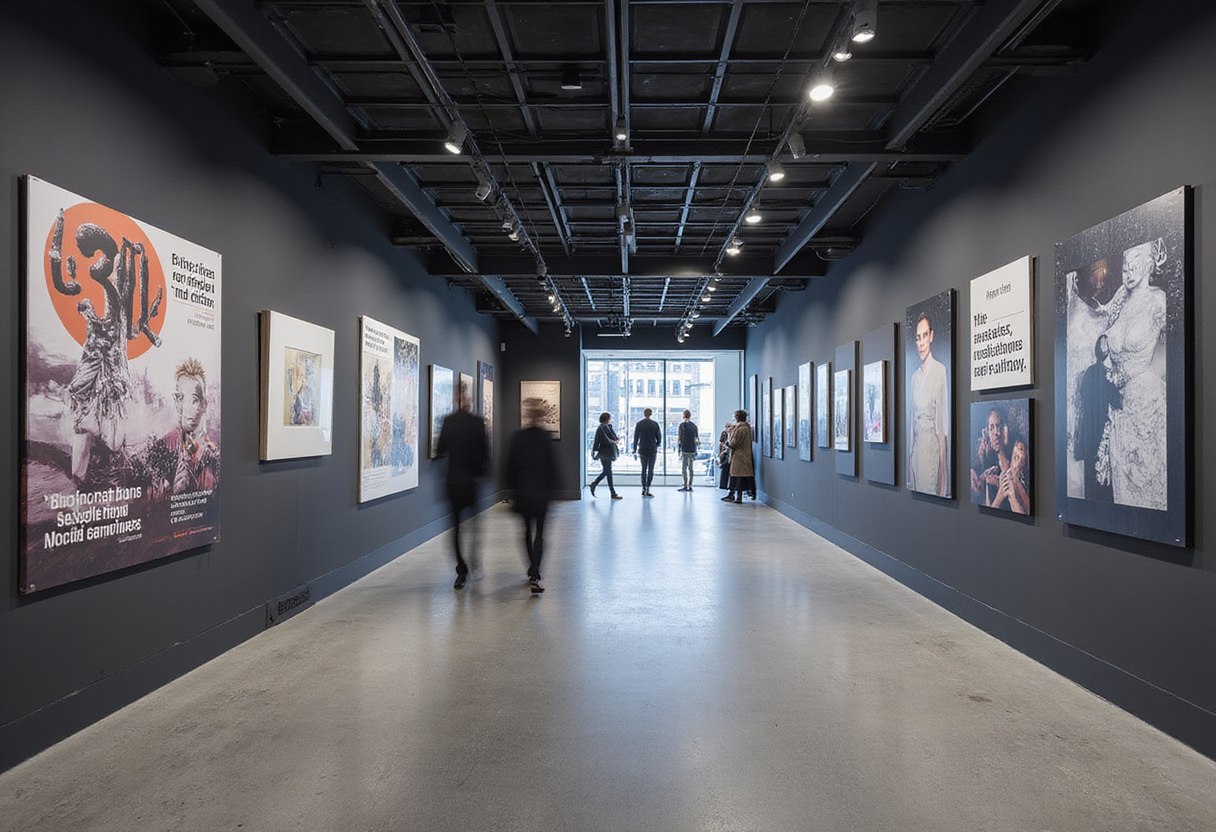
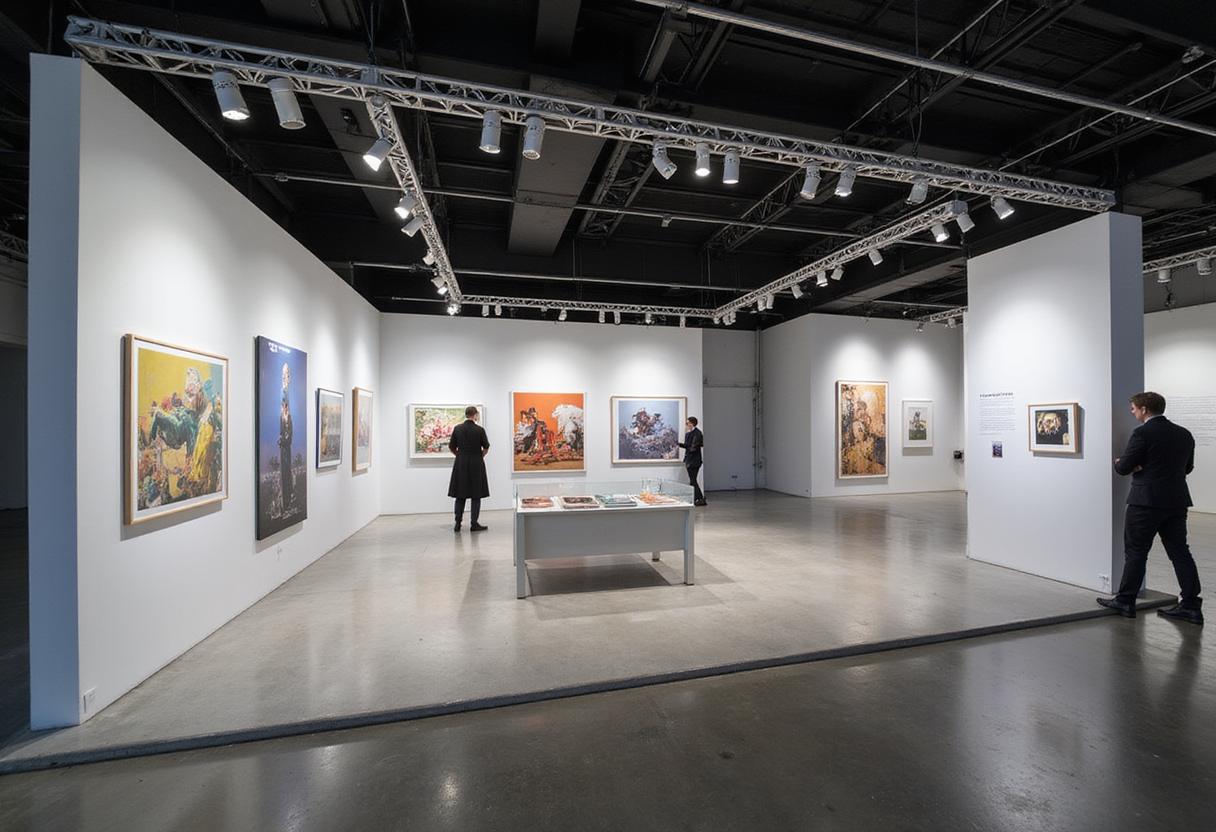
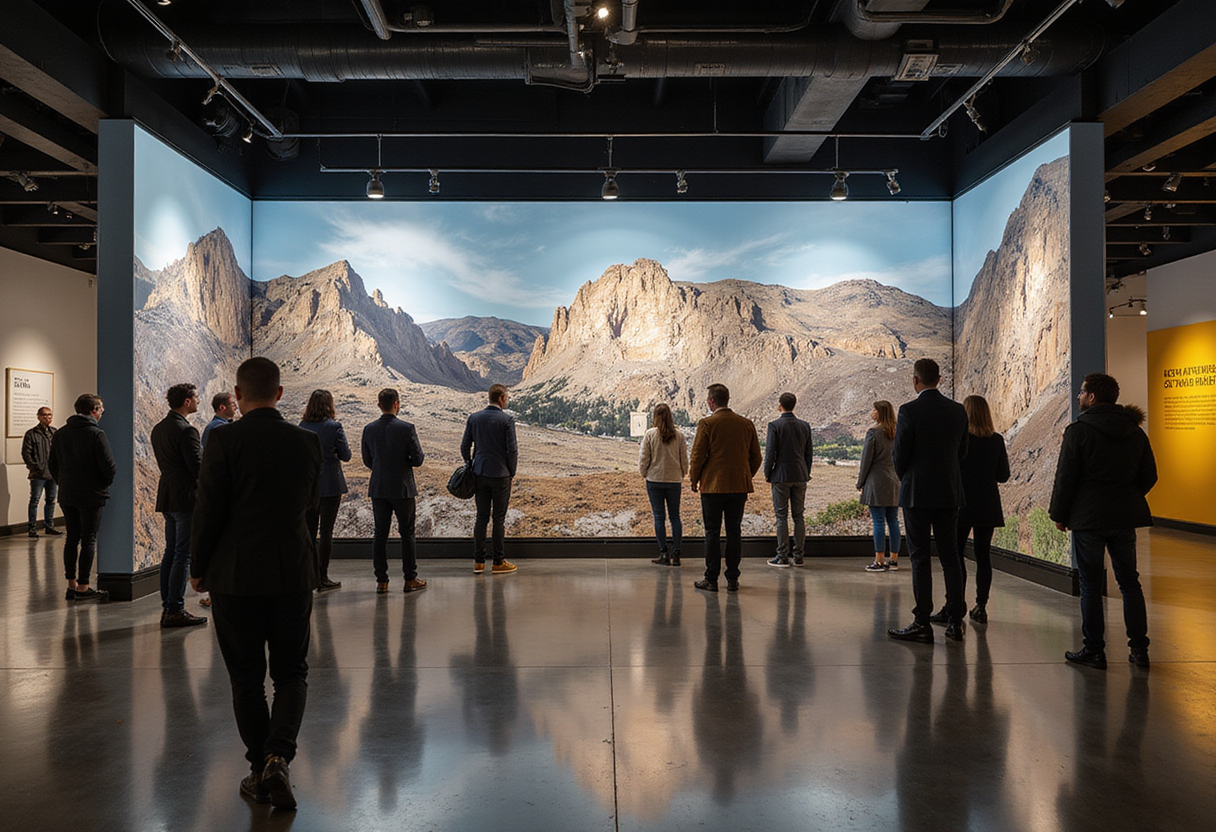
A United Nations photo exhibition has left Brussels and reopened in Koekelberg, continuing a journey that carries UN imagery from one district of the Belgian capital to the next. The move, reported by Unric, the United Nations Regional Information Centre, confirms that the show is a travelling project rather than a single-venue installation.
The exhibition format is a familiar instrument of UN public outreach. Rather than anchor the work in one museum, the organisation moves it between host locations. Each new venue extends the audience. Koekelberg, a commune within the Brussels-Capital Region, now serves as the latest stop.
What does the move mean in practice?
Travelling exhibitions trade depth of presentation for reach. A show that closes in central Brussels does not simply end. It is reinstalled nearby, in this case in Koekelberg, where it meets residents who may not have travelled to the original site. The mechanism is simple. The prints travel. The walls change. The audience changes with them.
For photography, this model has a long institutional history. Documentary bodies of work have always depended on circulation — through newspapers, agency archives, and itinerant shows — to reach publics beyond the capital's cultural core. A UN exhibition touring between communes works the same way. The photographs do their persuasive work only when people stand in front of them, and each transfer places them in front of new people.
Why does the United Nations exhibit photographs?
The UN uses photography as documentation and advocacy at once. Its exhibitions typically present the organisation's field work, its member states, or themes tied to its mandate. Without the images in front of an audience, the message stays inside the institution; the travelling format pushes it outward, and the Brussels-to-Koekelberg leg is a small, concrete instance of that policy.
The choice of venue also matters. Koekelberg is a residential commune, best known for the Basilica of the Sacred Heart, one of the largest churches in the world. Placing a UN exhibition there rather than in a central Brussels gallery shifts the work from tourist footfall toward local daily life. The audience becomes the neighbourhood.
What comes next for the exhibition?
The organisers describe the show as continuing its journey. That phrasing signals further stops ahead, though Unric's report names no subsequent venue. The pattern, however, is established: the exhibition moves, commune by commune, and each move restarts its public life.
For now, Koekelberg holds the frames. If the journey continues on its current pattern, another Brussels venue will receive them in turn, and the photographs will begin their work again in front of a new audience.
Key points
- A UN photo exhibition has moved from Brussels to the neighbouring commune of Koekelberg.
- The exhibition is a travelling project, described by Unric as continuing its journey.
- Unric, the United Nations Regional Information Centre, reported the venue change.
- The report names no closing date or subsequent venue for the touring show.
Source: Google News: photography exhibition
Grace Kim
Show full bio
Senior reporter covering companies, deals and strategy in Photography exhibitions, photographers, photo books, festivals and awards at Lens Gazette.