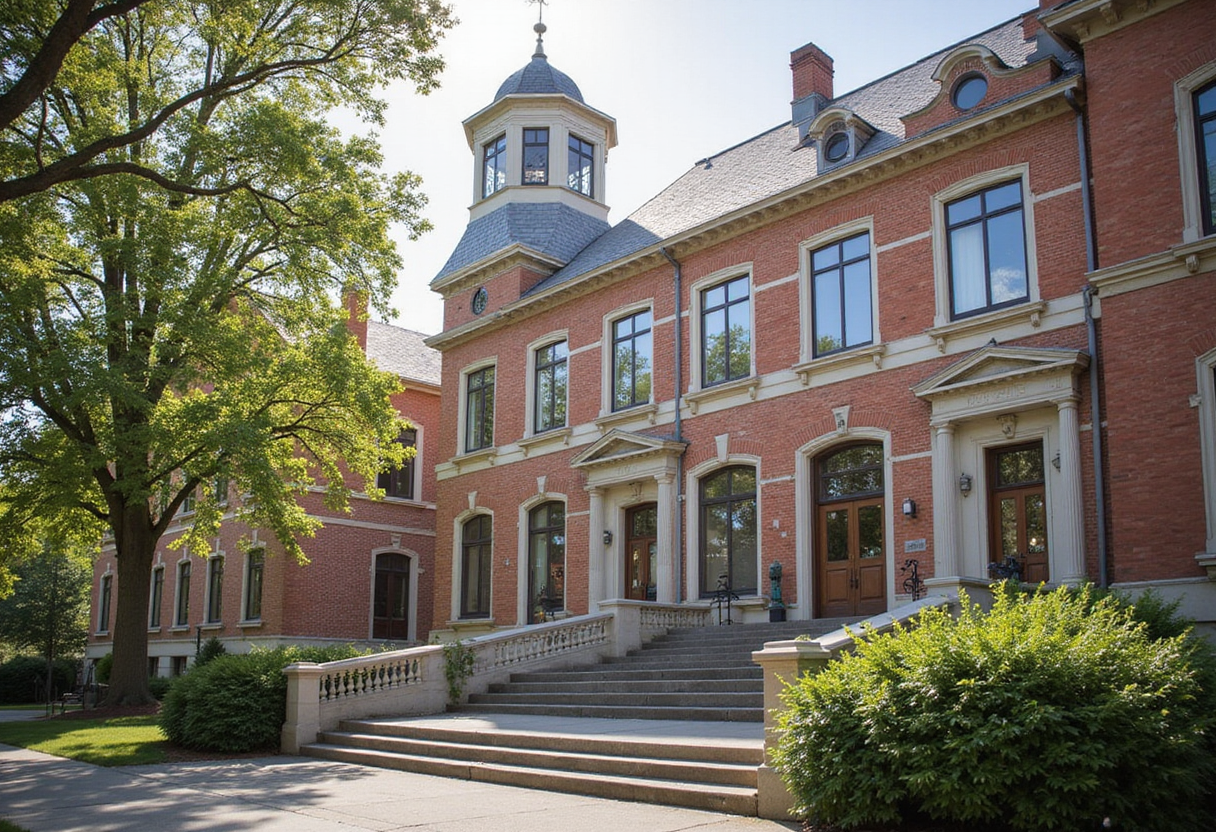
UC 1900 Students Turn Sunlight into Prints at Ohio University
Ohio University's UC 1900 seminar teaches first-year students cyanotype, the 1842 iron-salt process that makes blue images with nothing but coated paper, water and sunlight.
Updated
Ohio University students in the UC 1900 seminar have spent the term making photographs without cameras, lenses or screens. Their tool kit is older than any of them: cyanotype, the iron-salt printing process patented in 1842. The course, titled "Kissed by the Sun," treats the medium as a laboratory for looking.
The announcement from Ohio University names the course and its method. The students expose coated paper in sunlight. Water develops the image. A blue image appears where the light struck. Nothing in the process requires a darkroom.
How does cyanotype actually work?
The mechanism is simple. Paper is coated with a solution of iron salts. Ultraviolet light converts those salts to a different compound. A rinse in water washes away the unexposed material. What remains is Prussian blue, fixed into the fibres of the sheet.
Anna Atkins used the same chemistry in 1843 to photograph algae. Her book is often called the first photographically illustrated publication. The UC 1900 students join a long line of practitioners, from botanists to architects, who found the process cheap, stable and forgiving. Blueprints, the engineering copies that gave the process its nickname, ran on identical chemistry for a century.
What does a first-year seminar gain from it?
UC 1900 courses at Ohio University are designed for first-year students. The format favors small classes and hands-on work over lectures. A cyanotype unit fits that brief. Each student can coat, expose and develop a print within a single session. The results are visible immediately. Failure is cheap and instructive.
The process also slows the students down. Exposure times run from minutes to hours, depending on the sun. Composition must be planned before the light does its work. That is a different discipline from phone photography, where the image arrives instantly and correction happens afterwards. The takeaway: the course teaches patience as a technical skill.
Where does the work sit in the wider field?
Contemporary photographers have returned to historical processes in growing numbers over the past two decades. Institutions have followed. Museums and university galleries now regularly show alternative-process work alongside digital prints. Cyanotype appeals because it resists reproduction. The blue is dense, physical and slightly different in every print.
For a university, the pedagogical value is clear. Students learn that a photograph is a chemical event, not just a file. They learn that images have bodies: weight, surface and texture. The announcement frames the course as exploration, and the framing holds. The first-year students leave with prints they made from raw chemistry and daylight.
Ohio University has not announced further exhibitions of the students' work in the material released. If the seminar continues, its archive of blue prints will grow, one sunlit exposure at a time.
Key points
- Ohio University's UC 1900 seminar "Kissed by the Sun" teaches cyanotype to first-year students.
- Cyanotype was patented in 1842.
- The process needs no camera or darkroom, only coated paper, sunlight and water.
- Anna Atkins used the process in 1843 for the first photographically illustrated book.
Source: Google News: photography exhibition
Grace Kim
Show full bio
Senior reporter covering companies, deals and strategy in Photography exhibitions, photographers, photo books, festivals and awards at Lens Gazette.