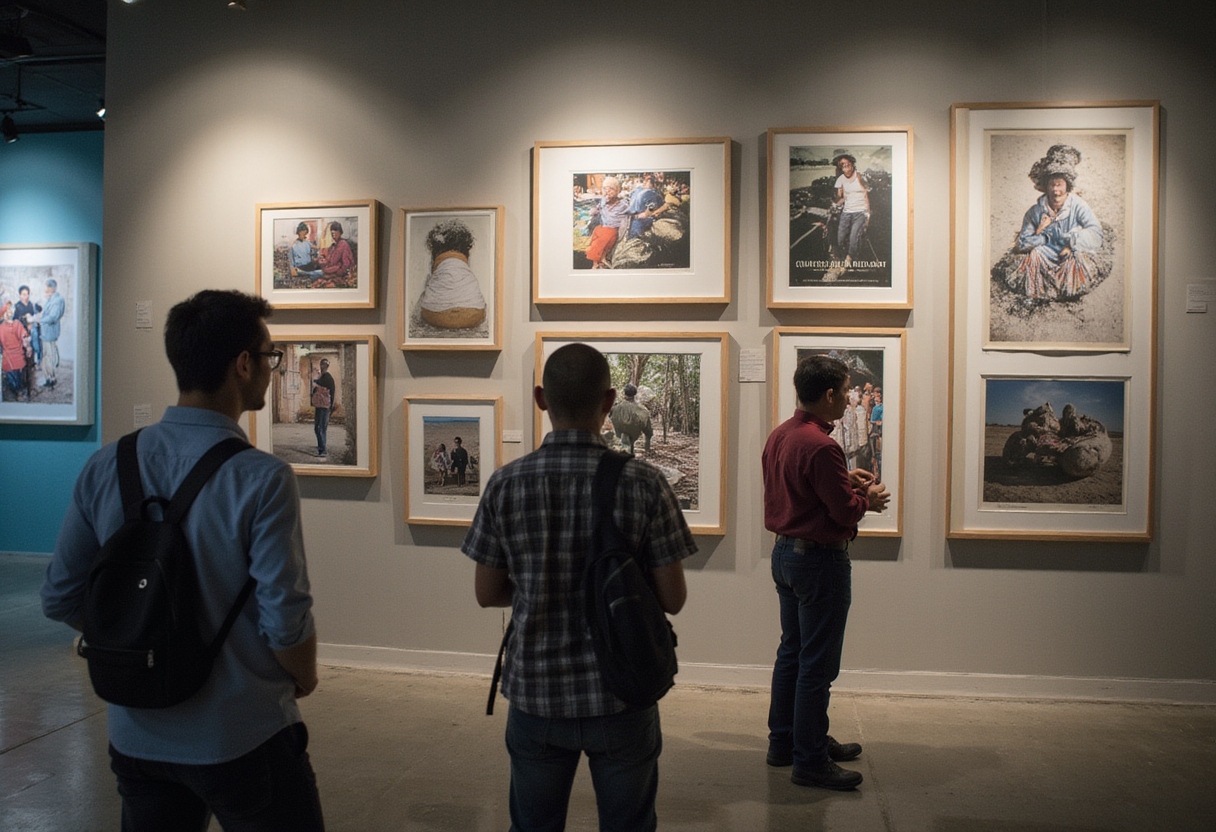
Solace: A Photo Exhibition Traveling From Manila to Chiang Mai
A roving photography exhibition travels from Manila to Chiang Mai, betting that images of Asia's hardest moments can still carry warmth, endurance and shared humanity.
Updated
A photography exhibition called Solace is moving across Asia, from Manila to Chiang Mai, and its curators have set themselves a hard brief: find the human in the continent's worst moments.
The show is a roving one. That fact shapes everything about it. It starts in Manila, ends its run in Chiang Mai, and treats the space between as part of the argument. Two cities, two countries, one thread — that suffering, photographed honestly, can still carry warmth.
What kind of exhibition is this?
Solace belongs to a tradition of documentary photography that refuses to look away. Asia News Network, which carries the original report, frames the exhibition's core ambition plainly: it "finds humanity in Asia's hardest moments."
That's a curator's wager, not a marketing line. Photographers who work in disaster zones, conflict margins and social fracture face a real problem. Images of suffering can numb an audience fast. Turn the frame toward endurance, gesture, small repair — and the same hard subject starts to speak differently.
The exhibition's title does quiet work here. Solace isn't comfort. It's what people make for each other when institutions fail or arrive late. A show built on that word is betting that photographers, not just aid agencies, can document it.
Why Manila and Chiang Mai?
The itinerary matters. Manila and Chiang Mai sit in two very different photographic regions — one a Southeast Asian capital with a dense photojournalism culture, the other a northern Thai city better known for festivals and documentary workshops than for touring exhibitions.
A roving format does two things a fixed venue can't. It puts the work in front of audiences who won't travel to a capital's museums. And it lets the exhibition accumulate context as it moves — each city receives it slightly differently.
What does this change for photographers in the region? Simple: a second venue means a second audience, and a touring show signals that Asian documentary work about Asia can circulate on its own circuits rather than waiting for validation in London or New York.
No clichés, please
The risk with any exhibition about "hard moments" is obvious. Grief photography has a well-worn vocabulary — the outstretched hand, the ash-gray sky, the child's toy in the rubble. A show titled Solace only earns its keep if the images resist that stock register and show us something specific: named streets, particular faces, the actual texture of recovery.
By its own description, the exhibition aims at humanity rather than horror. That's the right instinct. The strongest documentary series of the past decades — across the Philippines, Thailand, Myanmar and beyond — succeeded precisely because they photographed people, not victims.
The bigger institutional picture
Touring exhibitions remain rare in Southeast Asian photography. Logistics are brutal, customs paperwork punishes printed work, and funding rarely stretches past a single run. A show that makes it from Manila to Chiang Mai has already cleared hurdles that kill most regional tours at the planning stage.
For the photographers involved, a second city means their work outlives an opening weekend. For audiences in Chiang Mai, it means access to work that usually stops at the capital. That's the quiet institutional value of the roving model.
Where it goes next
If Solace draws audiences in Chiang Mai, expect the roving format to spread. The region's photographers have the bodies of work; what they've lacked is the circuit to move them through. This exhibition, traveling from Manila northward, tests whether that circuit can hold — and whether Asia's hardest moments, framed with care, can find the viewers they deserve.
Key points
- A photography exhibition titled Solace is touring from Manila to Chiang Mai
- The show's stated theme is finding humanity in Asia's hardest moments
- The roving format gives the work two city audiences across two countries
- The original report is an ANN original from the Asia News Network
Source: Google News: photography exhibition
Marcus Bennett
Show full bio
Correspondent covering companies, deals and strategy in Photography exhibitions, photographers, photo books, festivals and awards at Lens Gazette.