Sam Taylor-Johnson Searches 30 Years of Her Archive for a New Rizzoli Book
Sam Taylor-Johnson calls editing 30 years of work for her Rizzoli book "fucking torture" — and admits she'd re-edit it entirely if she could. The show runs to 23 January 2027.
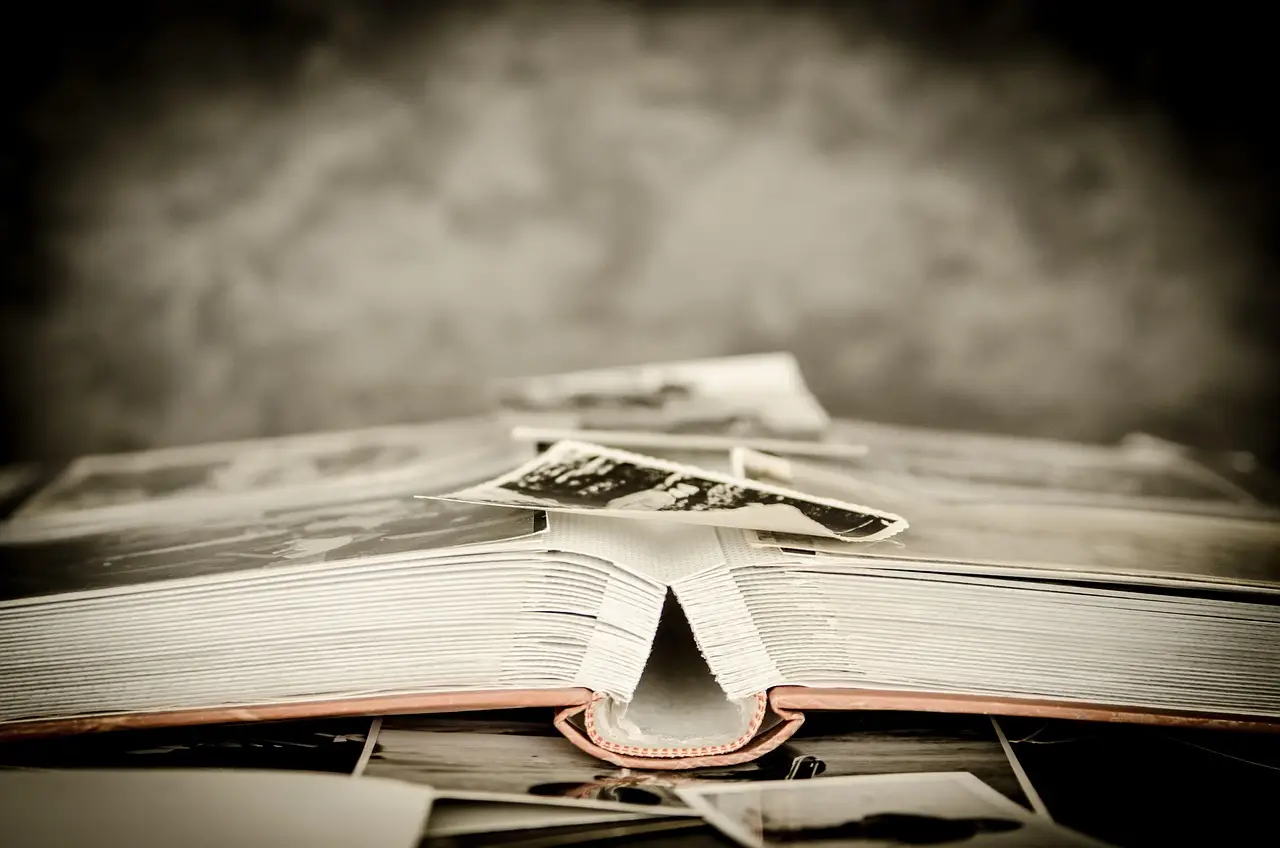
Sam Taylor-Johnson has spent the run-up to her new Rizzoli book, The Self and the Portrait, combing through more than 30 years of her photographic archive — and she describes the experience bluntly. "Fucking torture!" she says of the process. "Imagine sitting down and perusing over your life and your kids growing up, and reflecting on that. Where's that time gone?"
The book, published by Rizzoli at £55, gathers her self-portraits alongside images of friends and celebrities including Willem Dafoe, Chiwetel Ejiofor, Tracey Emin, Philip Seymour Hoffman, Courtney Love, Alexander McQueen and Miuccia Prada. It opens simultaneously with the exhibition She Was I at Jackson Fine Art in Atlanta, which runs until 23 January 2027.
How did a sculptor become a photographer?
Taylor-Johnson studied sculpture at Goldsmiths in London, then rose to fame alongside her Young British Artist contemporaries in the Nineties. "I had a camera, and that was my voice," she says. The camera soon became the tool for a practice that cuts through the layers of a persona — though she is quick to note how hard that cutting can be.
"The challenge quite often is to go beyond the face of what's presented," she says. In an essay written for the book, she cites photographing Paul Newman as the case study. Standing in front of him, she saw an emotional, soulful and powerful man — but through the lens he became Paul Newman, movie star.
"Even though I could see it in the flesh, I couldn't get to it until we went through a process of him understanding what I was trying to find," she says. "Once he clocked that I was trying to look into his soul and find vulnerability, he gave that. That, for me, is the most magical thing about photography; seeing something or somebody, trying to find it through the lens and freezing it, grabbing it."
It's a lovely claim. It also depends entirely on subjects willing to give what the photographer wants, which is not every sitter's instinct.
What is Crying Men, really?
That negotiated vulnerability sits at the heart of the series Crying Men, made between 2002 and 2004, in which Taylor-Johnson asked male actors — Robin Williams, Daniel Craig and Sean Penn among them — to sit in front of her and cry, a theatrical subversion of expectation.
The making of these images could take years, not minutes. "With Forest Whitaker, it took me three years to get to the place where we actually walked into the room," she says. "He was so amazing because he said, 'Your patience and resilience in this process are respected. What would you like me to do?' And I said, 'You know, I'd like you to cry.' And he was like, 'Fuck. OK.'"
Once in the room, though, she works fast. "I'm then very quick. I don't spend hours."
What does the Atlanta exhibition show?
She Was I at Jackson Fine Art unites work from the early 1990s — black-and-white photographs Taylor-Johnson took as a student — through to more recent pieces that peel back the layers of the psyche. The self-portraiture on display traces her development as both subject and artist.
The Self Portrait Suspended series shows her floating in mid-air, gloriously freeing herself from the physical constraints imposed by past illnesses, including breast cancer. "You are also seeing the ageing process, and some of the work here is super personal," she says. "I don't know whether it's that I'm at a place in life where I'm just thinking, okay, it's as much a part of me as everything else. I can somehow step back from it and not feel too emotionally traumatised."
Why does she regret going digital?
The editing process, she says, changed how she sees her own working methods. "I have trawled through digital and print images for this book, and realised I should never have put my film camera down," she says.
The numbers explain her frustration. There are thousands of digital pictures in her archive, and probably hundreds on film. "With film, you're so much more aware of how many shots you have on a roll, and digital affords you a million."
She has passed the lesson on. Her children, who are studying photography, have been told to learn on film. "It forces you to learn how to frame. If you can't afford to process that roll of film, you're really going to learn."
Is the book really definitive?
Taylor-Johnson calls the book and exhibition an exercise in curation, and she doesn't pretend the choices were stable. "Choosing, selecting, refining down — it was tough. And if I was to do it again tomorrow, it'd be a completely different thing."
That admission is worth holding onto. A "definitive" monograph built from an archive its own author would re-edit tomorrow is less a final word than a snapshot of one moment's judgment — which, given her subject, may be the point.
With She Was I on view in Atlanta until 23 January 2027, and the Rizzoli volume now in circulation, Taylor-Johnson says the next step may be picking the film camera back up.
Key points
- Sam Taylor-Johnson: The Self and the Portrait is published by Rizzoli at £55
- The exhibition She Was I runs at Jackson Fine Art, Atlanta until 23 January 2027
- Crying Men was made between 2002 and 2004; the Forest Whitaker portrait took three years to arrange
- The book covers over 30 years of her photographic archive
Source: wallpaper.com
Daniel Okafor
Show full bio
News editor covering companies, deals and strategy in Photography exhibitions, photographers, photo books, festivals and awards at Lens Gazette.